
Health
Bloodworks Northwest Declares Emergency as Blood Donations Plummet

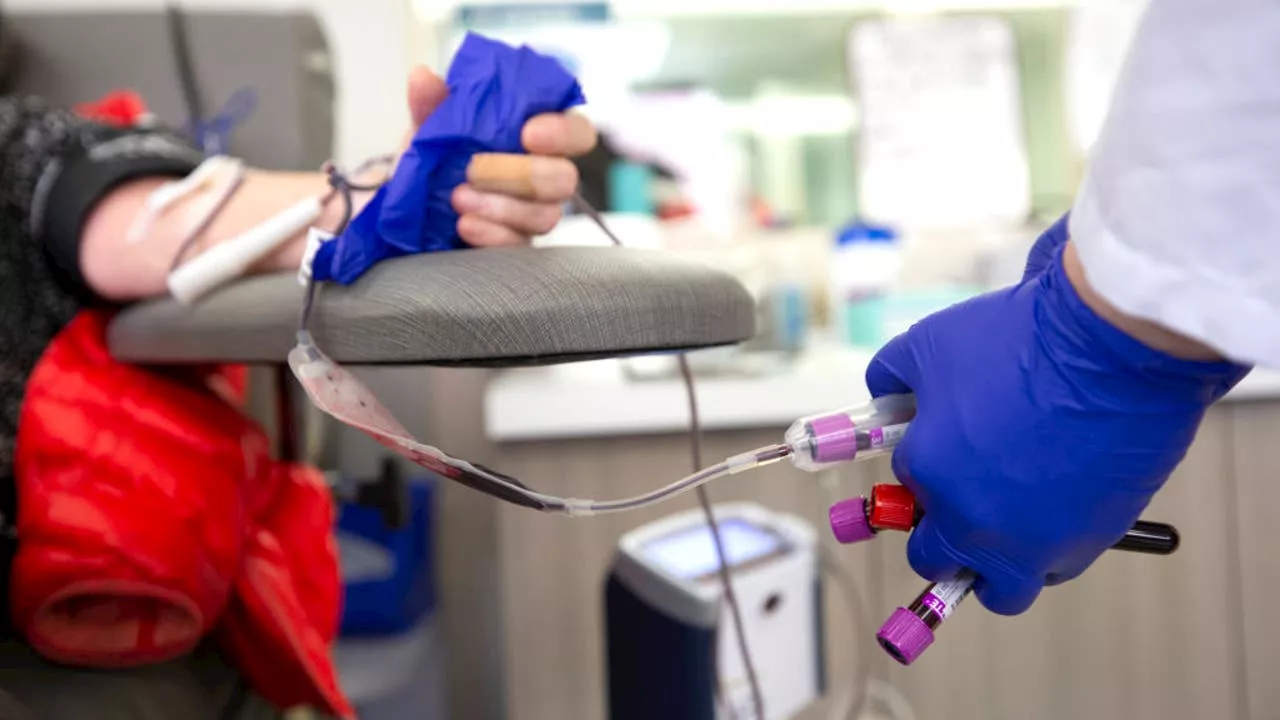
Bloodworks Northwest has declared a “Code Red” emergency due to a significant shortage of blood donations in Washington and Oregon. The organization reports that local blood donations have fallen to critically low levels, leaving hospitals with less than a one- to two-day supply of essential blood products.
Hospitals depend on these donations for various medical procedures, including surgeries and emergency treatments. According to Bloodworks Northwest, over 29,700 appointment slots remain unfilled for blood donations through the end of January 2024. This alarming statistic highlights the urgent need for community involvement in blood donation efforts.
Curt Bailey, President and CEO of Bloodworks Northwest, emphasized the critical impact of donating blood. “Every time someone rolls up their sleeve to donate at a Bloodworks center or drive, they’re giving more than a pint of blood—they’re giving hope to critically ill and injured people in the Pacific Northwest,” he stated. Bailey noted that a single donation can save multiple lives, whether it be a child battling cancer, a parent recovering from surgery, or a neighbor injured in an accident.
To meet the ongoing demand from hospitals, Bloodworks Northwest is currently shipping in blood from other parts of the country, particularly Type-O blood, which is in high demand. The organization pointed out that only 3% of eligible individuals donate blood. If this percentage could increase to 4%, it would help stabilize the local blood supply and alleviate the current crisis.
In an effort to address this shortage, Bloodworks Northwest is calling on communities to organize blood drives and encouraging individuals to make appointments for blood donation. This initiative aims to raise awareness and mobilize support for blood donation efforts during this critical period.
As the need for blood donations continues to rise, Bloodworks Northwest urges everyone to consider the life-saving impact of their contribution. The community’s response in the coming weeks will play a vital role in ensuring that hospitals can continue to provide necessary care for patients in need.

Cosmic Mystery Deepens: Where Are the Universe’s Defects?

Lady Bulldogs Shine in Postseason Awards Following Final Four Run

CALV Hosts Essential Class for Local Real Estate Professionals

Urgent Alert: “Spaving” Surges as Shoppers Overspend Online

Jefferies Initiates Coverage on Insmed with “Buy” Rating

Three Dog Night to Perform with Ambrosia at Mayo Civic Center

Urgent Announcement: Charles M. Payment Passes Away at 78

Houston Education Foundation Donates $4,592 for Student Programs

Beeks Financial Cloud Shares Drop 7% Amid Increased Trading Volume

Foreign Inflows into Japan Stocks Surge to ¥1.34 Trillion

University of Hawaiʻi Joins $25.6M AI Project to Monitor Disasters

Sydney Sweeney Embraces Body Positivity Amid Hollywood Challenges

Hudson Williams Gains Popularity as Breakout Star on Heated Rivalry

Urgent Farewell: Joleen Chaney Leaves Legacy at KFOR

Boeing’s Merger with McDonnell Douglas: A Strategic Move Explained

$1.25M Grant Advances Hawaiʻi’s Real-Time Hazard Monitoring

Derrick Dove and ABAC Band Set for Free Americana Concert

BOYNEXTDOOR’s Jaehyun Faces Backlash Amid BTS-TWICE Controversy
-
Business9 months ago
Foreign Inflows into Japan Stocks Surge to ¥1.34 Trillion
-
Science9 months ago
University of Hawaiʻi Joins $25.6M AI Project to Monitor Disasters
-
 Entertainment9 months ago
Sydney Sweeney Embraces Body Positivity Amid Hollywood Challenges
-
 Entertainment7 months ago
Hudson Williams Gains Popularity as Breakout Star on Heated Rivalry
-
 Top Stories8 months ago
Urgent Farewell: Joleen Chaney Leaves Legacy at KFOR
-
 World9 months ago
Boeing’s Merger with McDonnell Douglas: A Strategic Move Explained
-
 Science7 months ago
$1.25M Grant Advances Hawaiʻi’s Real-Time Hazard Monitoring
-
 Entertainment8 months ago
Derrick Dove and ABAC Band Set for Free Americana Concert
-
 Top Stories9 months ago
BOYNEXTDOOR’s Jaehyun Faces Backlash Amid BTS-TWICE Controversy
-

 Health6 months ago
Bodybuilder Eugene Teo Transitions to Mindful Movement for Health
-

 World6 months ago
San Francisco Airport to Host 16 Nonstop Airlines to Europe in 2026
-

 Top Stories7 months ago
National Coast Guard Museum Set to Open in 2027 After Funding Secured