
World
Nations Weigh Trump’s Call for Warships in Strait of Hormuz

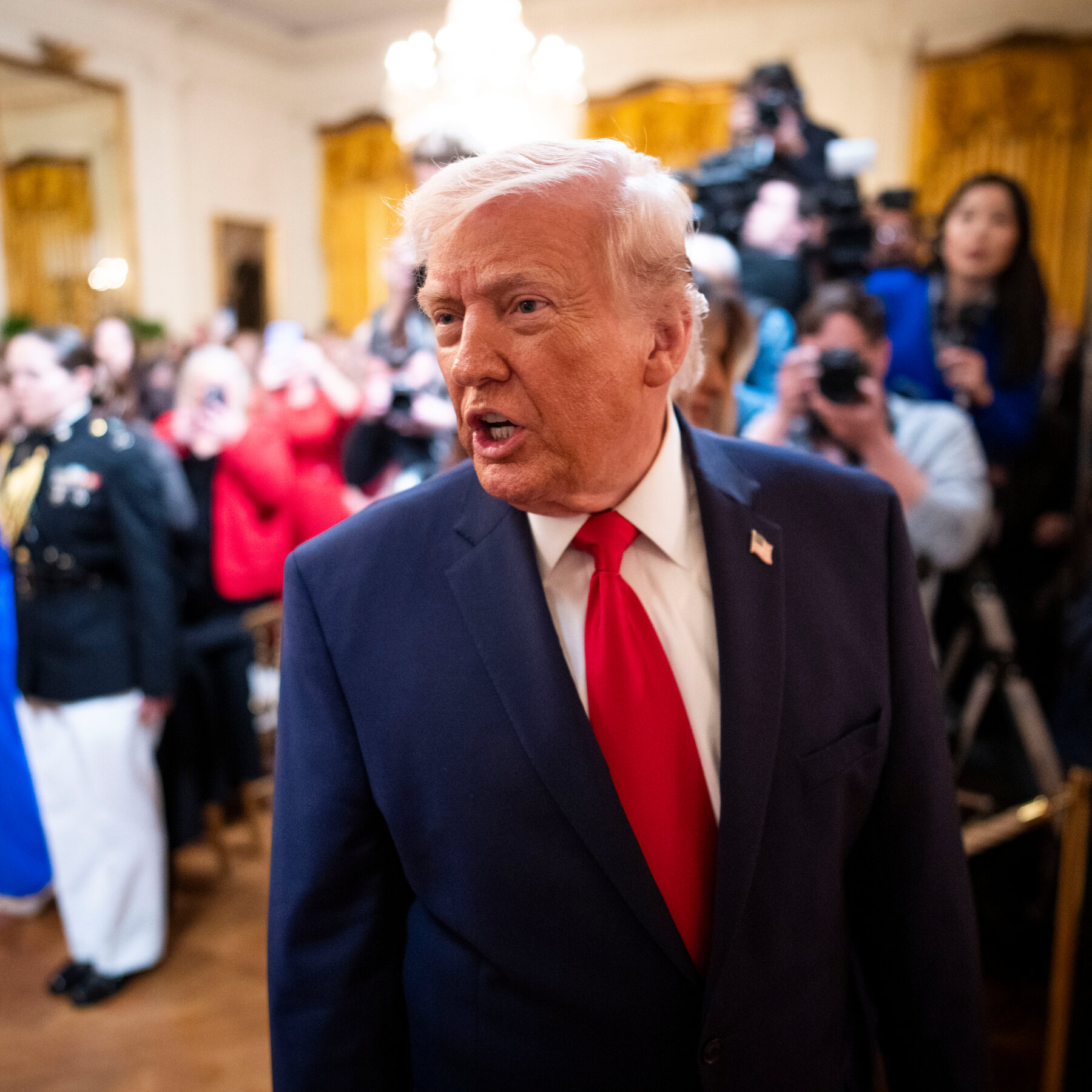
President Donald Trump has called on nations including China, Britain, France, Japan, and South Korea to dispatch warships to the Strait of Hormuz. This request aims to ensure the security of this critical waterway, which has become a focal point amid rising tensions in the region, particularly following a recent U.S.-Israeli attack on Iran.
Trump’s appeal, articulated during a press briefing on October 23, 2023, reflects a growing concern over maritime security in the strait, through which approximately 20% of the world’s oil supply transits. The U.S. has positioned its own naval assets nearby but is seeking international support to bolster security efforts.
Global Reactions to the Request
Responses from the nations invited to participate have been measured, highlighting the complexities of international naval cooperation. While some officials express willingness to discuss the matter, others have shown hesitation. A spokesperson for the Chinese Foreign Ministry stated that any military action in the region should be approached with caution, emphasizing the need for dialogue over confrontation.
Similarly, representatives from Britain and France have indicated that they will review the situation before making any commitments. Both countries currently maintain a naval presence in the Gulf as part of broader anti-piracy and security operations, but they are wary of escalating military involvement in Iran’s ongoing tensions with the West.
Officials in Japan and South Korea have also responded cautiously, noting that their maritime patrols are primarily focused on ensuring the safety of shipping routes rather than engaging in military operations. The South Korean government has committed to protecting its commercial interests in the region, while Japan has reiterated its pacifist constitution, which limits its military engagement.
The Geopolitical Landscape
The strategic importance of the Strait of Hormuz cannot be overstated. It remains a vital channel for oil transportation, and any disruption could have significant implications for global energy markets. According to estimates, oil prices could surge by as much as 30% in response to any military conflict that threatens this corridor, impacting economies worldwide.
The situation is further complicated by ongoing diplomatic tensions between the United States and Iran. Following the U.S.-Israeli attack, Iranian officials have vowed to retaliate, raising fears of an escalation that could involve multiple nations. In response to this, the U.S. Navy has increased its patrols in the area, emphasizing its commitment to maintaining freedom of navigation.
While the prospect of additional naval assets patrolling the strait may provide a temporary sense of security, it also raises questions about the potential for miscalculations that could lead to conflict. Observers warn that heightened military presence could provoke further hostilities rather than deter them.
In conclusion, President Trump’s call for international naval support in the Strait of Hormuz underscores the fragile geopolitical dynamics at play in the region. As nations deliberate their responses, the potential for increased tensions looms large, making the situation one to watch closely in the coming weeks.

Cosmic Mystery Deepens: Where Are the Universe’s Defects?

Lady Bulldogs Shine in Postseason Awards Following Final Four Run

CALV Hosts Essential Class for Local Real Estate Professionals

Urgent Alert: “Spaving” Surges as Shoppers Overspend Online

Jefferies Initiates Coverage on Insmed with “Buy” Rating

Three Dog Night to Perform with Ambrosia at Mayo Civic Center

Urgent Announcement: Charles M. Payment Passes Away at 78

Houston Education Foundation Donates $4,592 for Student Programs

Beeks Financial Cloud Shares Drop 7% Amid Increased Trading Volume

Foreign Inflows into Japan Stocks Surge to ¥1.34 Trillion

University of Hawaiʻi Joins $25.6M AI Project to Monitor Disasters

Sydney Sweeney Embraces Body Positivity Amid Hollywood Challenges

Hudson Williams Gains Popularity as Breakout Star on Heated Rivalry

Urgent Farewell: Joleen Chaney Leaves Legacy at KFOR

Boeing’s Merger with McDonnell Douglas: A Strategic Move Explained

$1.25M Grant Advances Hawaiʻi’s Real-Time Hazard Monitoring

Derrick Dove and ABAC Band Set for Free Americana Concert

BOYNEXTDOOR’s Jaehyun Faces Backlash Amid BTS-TWICE Controversy
-
Business9 months ago
Foreign Inflows into Japan Stocks Surge to ¥1.34 Trillion
-
Science8 months ago
University of Hawaiʻi Joins $25.6M AI Project to Monitor Disasters
-
 Entertainment9 months ago
Sydney Sweeney Embraces Body Positivity Amid Hollywood Challenges
-
 Entertainment7 months ago
Hudson Williams Gains Popularity as Breakout Star on Heated Rivalry
-
 Top Stories8 months ago
Urgent Farewell: Joleen Chaney Leaves Legacy at KFOR
-
 World9 months ago
Boeing’s Merger with McDonnell Douglas: A Strategic Move Explained
-
 Science7 months ago
$1.25M Grant Advances Hawaiʻi’s Real-Time Hazard Monitoring
-
 Entertainment8 months ago
Derrick Dove and ABAC Band Set for Free Americana Concert
-
 Top Stories9 months ago
BOYNEXTDOOR’s Jaehyun Faces Backlash Amid BTS-TWICE Controversy
-

 Health6 months ago
Bodybuilder Eugene Teo Transitions to Mindful Movement for Health
-

 World6 months ago
San Francisco Airport to Host 16 Nonstop Airlines to Europe in 2026
-

 Top Stories7 months ago
National Coast Guard Museum Set to Open in 2027 After Funding Secured