
Health
Enhance Your Sex Life: Insights from Dr. Nicole McNichols

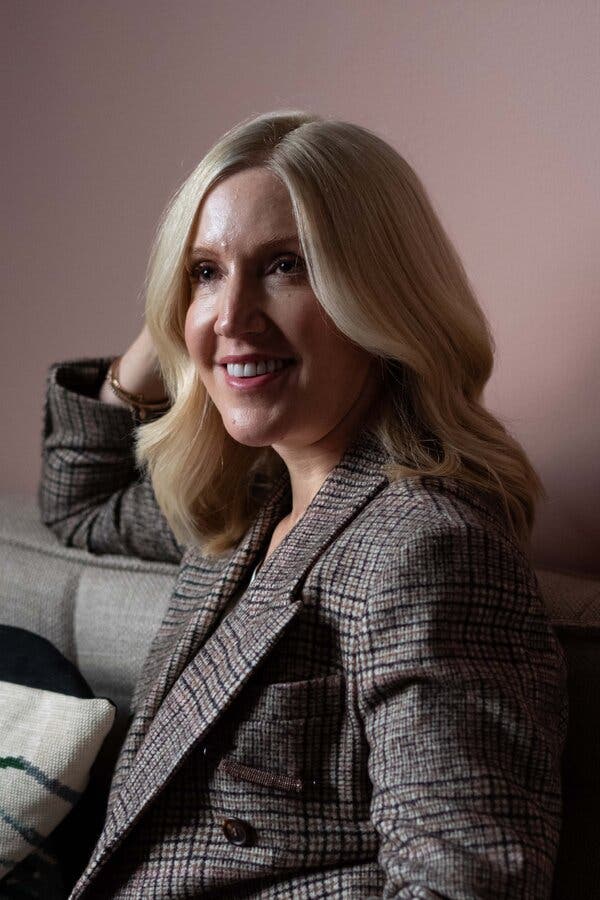
As people seek to improve their personal lives in the new year, discussions about sexuality often surface. Dr. Nicole McNichols, a professor at the University of Washington, offers valuable insights on enhancing sexual fulfillment. Her recent book, “You Could Be Having Better Sex,” provides science-backed advice for individuals and couples looking to enrich their intimate experiences.
Understanding Sexual Education and Misconceptions
Many individuals grow up with limited formal education about sex, relying instead on peers for information. This was the case for many, including McNichols, who noted that early lessons often come from classmates rather than trusted adults. Such sources may share a mix of truths and myths, leading to misunderstandings that can hinder sexual satisfaction.
Dr. McNichols has dedicated years to researching human sexuality, teaching over 4,000 students annually. Through her work, she has identified common mistakes and misconceptions that can lead to disappointment in sexual experiences. One major issue is the tendency to prioritize a partner’s pleasure over one’s own, which can result in a lack of fulfillment.
Key Lessons for a Fulfilling Sex Life
During a recent conversation with Dr. McNichols, she shared six crucial lessons aimed at helping individuals and couples enhance their sexual experiences. Here are some of the most significant insights:
“The journey to understanding your own preferences is essential,” Dr. McNichols emphasized. “It’s about discovering what feels good for you, rather than adhering to external expectations.”
First, she encourages individuals to engage in open communication with their partners. Discussing desires and boundaries can create a safer environment for exploration. Moreover, understanding that sexual preferences can evolve over time is vital for maintaining intimacy.
Second, Dr. McNichols highlights the importance of self-exploration. Taking the time to understand one’s own body and what brings pleasure can significantly enhance a person’s sexual experience. This personal discovery fosters confidence and encourages a more satisfying sexual relationship.
Another point she raised is the impact of societal pressures on sexual performance. Many individuals feel compelled to meet unrealistic standards, which often leads to stress and disappointment. Dr. McNichols advises focusing on mutual enjoyment rather than striving for perfection.
Additionally, she underscores the significance of emotional connection. Building trust and intimacy outside the bedroom can translate into a more fulfilling sexual relationship. Engaging in activities that strengthen the emotional bond can enhance physical experiences.
Finally, Dr. McNichols recommends incorporating variety into sexual activities. Exploring new techniques or settings can rekindle excitement and passion in long-term relationships. The willingness to experiment can lead to newfound pleasures and a deeper connection.
By applying these lessons, individuals and couples may find themselves enjoying more fulfilling sexual experiences this year. Dr. McNichols’ evidence-based approach offers a refreshing perspective on sexuality, encouraging individuals to take charge of their own pleasure and satisfaction.
As conversations around sex continue to evolve, resources like “You Could Be Having Better Sex” serve as valuable tools for those looking to deepen their understanding and enjoyment of intimacy. Whether seeking guidance for oneself or a partner, these insights can pave the way for enhanced sexual fulfillment.

Cosmic Mystery Deepens: Where Are the Universe’s Defects?

Lady Bulldogs Shine in Postseason Awards Following Final Four Run

CALV Hosts Essential Class for Local Real Estate Professionals

Urgent Alert: “Spaving” Surges as Shoppers Overspend Online

Jefferies Initiates Coverage on Insmed with “Buy” Rating

Three Dog Night to Perform with Ambrosia at Mayo Civic Center

Urgent Announcement: Charles M. Payment Passes Away at 78

Houston Education Foundation Donates $4,592 for Student Programs

Beeks Financial Cloud Shares Drop 7% Amid Increased Trading Volume

Foreign Inflows into Japan Stocks Surge to ¥1.34 Trillion

University of Hawaiʻi Joins $25.6M AI Project to Monitor Disasters

Sydney Sweeney Embraces Body Positivity Amid Hollywood Challenges

Hudson Williams Gains Popularity as Breakout Star on Heated Rivalry

Urgent Farewell: Joleen Chaney Leaves Legacy at KFOR

Boeing’s Merger with McDonnell Douglas: A Strategic Move Explained

$1.25M Grant Advances Hawaiʻi’s Real-Time Hazard Monitoring

Derrick Dove and ABAC Band Set for Free Americana Concert

BOYNEXTDOOR’s Jaehyun Faces Backlash Amid BTS-TWICE Controversy
-
Business9 months ago
Foreign Inflows into Japan Stocks Surge to ¥1.34 Trillion
-
Science9 months ago
University of Hawaiʻi Joins $25.6M AI Project to Monitor Disasters
-
 Entertainment9 months ago
Sydney Sweeney Embraces Body Positivity Amid Hollywood Challenges
-
 Entertainment7 months ago
Hudson Williams Gains Popularity as Breakout Star on Heated Rivalry
-
 Top Stories8 months ago
Urgent Farewell: Joleen Chaney Leaves Legacy at KFOR
-
 World9 months ago
Boeing’s Merger with McDonnell Douglas: A Strategic Move Explained
-
 Science7 months ago
$1.25M Grant Advances Hawaiʻi’s Real-Time Hazard Monitoring
-
 Entertainment8 months ago
Derrick Dove and ABAC Band Set for Free Americana Concert
-
 Top Stories9 months ago
BOYNEXTDOOR’s Jaehyun Faces Backlash Amid BTS-TWICE Controversy
-

 Health6 months ago
Bodybuilder Eugene Teo Transitions to Mindful Movement for Health
-

 World6 months ago
San Francisco Airport to Host 16 Nonstop Airlines to Europe in 2026
-

 Top Stories7 months ago
National Coast Guard Museum Set to Open in 2027 After Funding Secured