
World
Two LPG Tankers Navigate Hormuz, Alleviating India’s Shortage

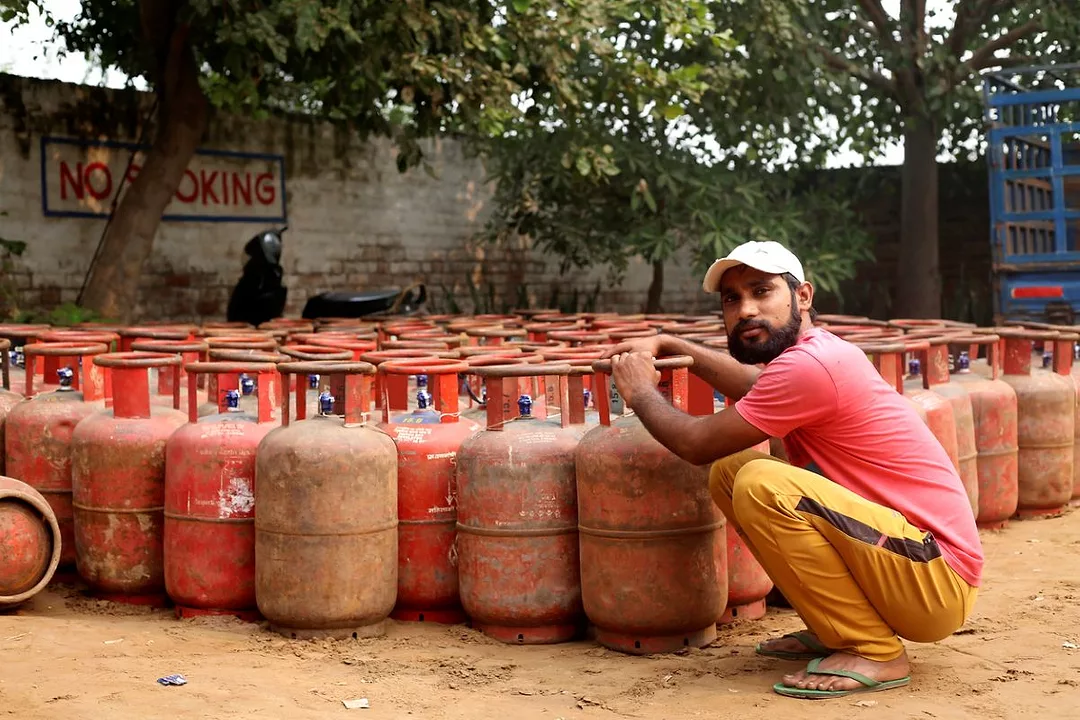
Two tankers carrying liquefied petroleum gas (LPG) are en route to India after successfully navigating the Strait of Hormuz, offering some relief to the country facing significant supply shortages. The vessels, operated by the state-owned Shipping Corp of India Ltd., received clearance for transit on March 14, 2024, according to Indian Foreign Ministry spokesperson Randhir Jaiswal.
India has been grappling with severe LPG shortages amid ongoing disruptions in the Persian Gulf, which have impacted the supply of this vital cooking and industrial fuel. The nation relies heavily on imports, sourcing approximately 90% of its LPG from the Middle East. Additionally, India is the second-largest global importer of LPG, underscoring the critical nature of this supply route.
As of now, 22 Indian-flagged vessels remain stranded in the Persian Gulf, including six LPG ships, one LNG carrier, and four crude oil tankers. Rajesh Kumar Sinha, special secretary at the shipping ministry, noted these challenges are exacerbated by the ongoing conflict in the region.
The successful passage of the two LPG vessels, named Shivalik and Nanda Devi, followed negotiations between New Delhi and Tehran. Both ships loaded their cargo at Ras Laffan in Qatar. The Shivalik is expected to arrive at Mundra Port on March 16, while the Nanda Devi is anticipated to dock a day later.
Despite the successful transit, an Iranian official, who chose to remain unnamed due to the sensitive nature of the discussions, could not confirm any formal agreements regarding the vessels’ passage. This situation has drawn attention as it highlights the delicate balance of energy security and international relations in the region.
The impact of these deliveries cannot be overstated, as India continues to navigate the complexities of securing essential resources amid heightened geopolitical tensions. The ongoing supply issues have not only affected households but also critical industrial processes, further stressing the need for reliable and uninterrupted energy supplies.

Cosmic Mystery Deepens: Where Are the Universe’s Defects?

Lady Bulldogs Shine in Postseason Awards Following Final Four Run

CALV Hosts Essential Class for Local Real Estate Professionals

Urgent Alert: “Spaving” Surges as Shoppers Overspend Online

Jefferies Initiates Coverage on Insmed with “Buy” Rating

Three Dog Night to Perform with Ambrosia at Mayo Civic Center

Urgent Announcement: Charles M. Payment Passes Away at 78

Houston Education Foundation Donates $4,592 for Student Programs

Beeks Financial Cloud Shares Drop 7% Amid Increased Trading Volume

Foreign Inflows into Japan Stocks Surge to ¥1.34 Trillion

University of Hawaiʻi Joins $25.6M AI Project to Monitor Disasters

Sydney Sweeney Embraces Body Positivity Amid Hollywood Challenges

Hudson Williams Gains Popularity as Breakout Star on Heated Rivalry

Urgent Farewell: Joleen Chaney Leaves Legacy at KFOR

Boeing’s Merger with McDonnell Douglas: A Strategic Move Explained

$1.25M Grant Advances Hawaiʻi’s Real-Time Hazard Monitoring

Derrick Dove and ABAC Band Set for Free Americana Concert

BOYNEXTDOOR’s Jaehyun Faces Backlash Amid BTS-TWICE Controversy
-
Business9 months ago
Foreign Inflows into Japan Stocks Surge to ¥1.34 Trillion
-
Science8 months ago
University of Hawaiʻi Joins $25.6M AI Project to Monitor Disasters
-
 Entertainment9 months ago
Sydney Sweeney Embraces Body Positivity Amid Hollywood Challenges
-
 Entertainment7 months ago
Hudson Williams Gains Popularity as Breakout Star on Heated Rivalry
-
 Top Stories8 months ago
Urgent Farewell: Joleen Chaney Leaves Legacy at KFOR
-
 World9 months ago
Boeing’s Merger with McDonnell Douglas: A Strategic Move Explained
-
 Science7 months ago
$1.25M Grant Advances Hawaiʻi’s Real-Time Hazard Monitoring
-
 Entertainment8 months ago
Derrick Dove and ABAC Band Set for Free Americana Concert
-
 Top Stories9 months ago
BOYNEXTDOOR’s Jaehyun Faces Backlash Amid BTS-TWICE Controversy
-

 Health6 months ago
Bodybuilder Eugene Teo Transitions to Mindful Movement for Health
-

 World6 months ago
San Francisco Airport to Host 16 Nonstop Airlines to Europe in 2026
-

 Top Stories7 months ago
National Coast Guard Museum Set to Open in 2027 After Funding Secured