
Health
CDC Cuts Childhood Vaccine Recommendations Amid Controversy

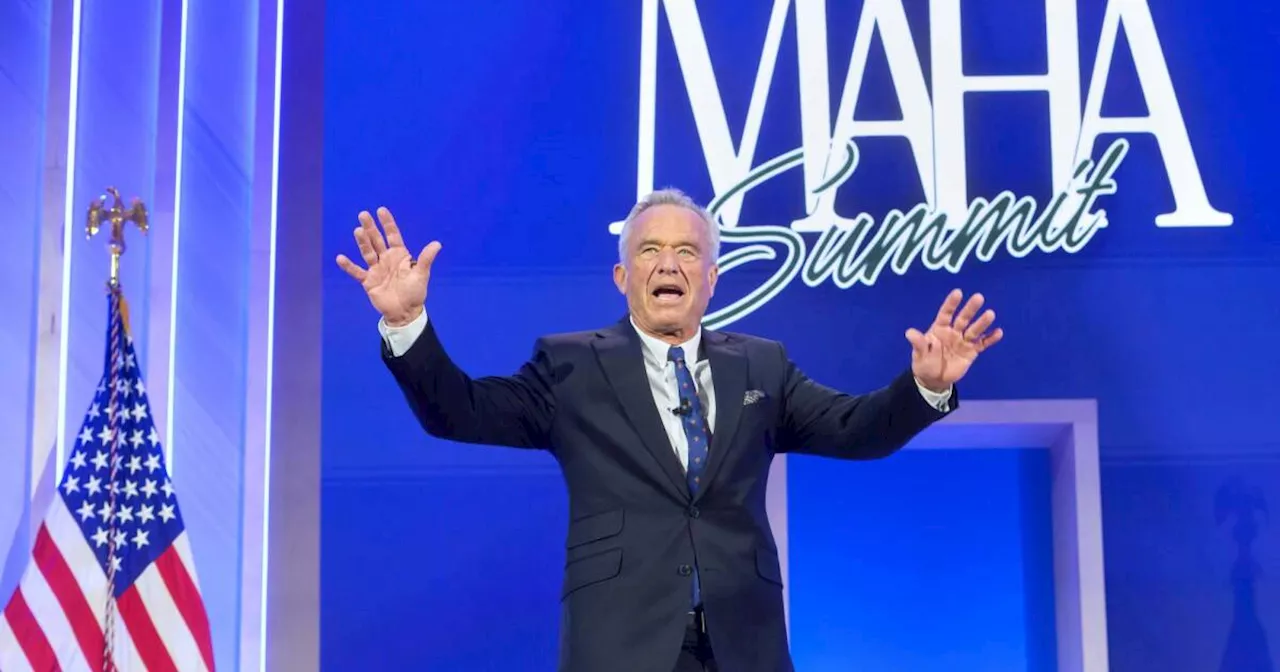
The Centers for Disease Control and Prevention (CDC) has made a significant change to the childhood vaccination schedule by reducing the number of vaccines recommended for all children. Effective immediately, the CDC now recommends vaccines against only 11 diseases, eliminating protections against several others, including rotavirus, hepatitis A, hepatitis B, certain forms of meningitis, and respiratory syncytial virus (RSV). This decision has drawn sharp criticism from pediatricians across the United States.
The overhaul comes after a review requested by former President Donald Trump in December 2023, which aimed to align U.S. vaccination policies with those of peer nations. The U.S. Department of Health and Human Services (HHS) found that the country was an “outlier” in both the number of vaccines and doses mandated for children compared to 20 other countries. HHS officials framed the revision as a means to restore public trust by focusing on the most critical vaccinations.
Under the new guidance, protections against diseases like influenza and hepatitis are now recommended only for specific high-risk groups or through “shared decision-making” with healthcare providers. Robert F. Kennedy Jr., the Secretary of Health, stated, “This decision protects children, respects families, and rebuilds trust in public health.”
Despite the administration’s assertions, health experts have raised concerns about the potential ramifications of these changes. Dr. Sean O’Leary of the American Academy of Pediatrics emphasized that vaccine recommendations should be based on the prevalence of diseases within a population. He expressed alarm that the new approach appears to disregard established public health practices, stating, “You can’t just copy and paste public health, and that’s what they seem to be doing here. Literally, children’s health and children’s lives are at stake.”
The updated recommendations also reduce the number of doses for the human papillomavirus (HPV) vaccine from two or three shots to one for most children, depending on age. This alteration was made without input from the advisory committee that typically provides oversight on vaccine schedules, as confirmed by HHS officials who spoke on the condition of anonymity.
Medical professionals, including Michael Osterholm of the Vaccine Integrity Project, have warned that abandoning recommendations for vaccines that prevent significant illnesses like influenza and rotavirus could lead to increased hospitalizations and preventable deaths among children. He stated, “Changing the recommendation for HPV without a public process to weigh the risks and benefits will have dire consequences.”
This decision has sparked widespread debate about the future of childhood immunizations in the United States and the implications for public health policy. As the CDC navigates these changes, it remains crucial for families to consult with healthcare providers to make informed decisions regarding vaccinations.

Cosmic Mystery Deepens: Where Are the Universe’s Defects?

Lady Bulldogs Shine in Postseason Awards Following Final Four Run

CALV Hosts Essential Class for Local Real Estate Professionals

Urgent Alert: “Spaving” Surges as Shoppers Overspend Online

Jefferies Initiates Coverage on Insmed with “Buy” Rating

Three Dog Night to Perform with Ambrosia at Mayo Civic Center

Urgent Announcement: Charles M. Payment Passes Away at 78

Houston Education Foundation Donates $4,592 for Student Programs

Beeks Financial Cloud Shares Drop 7% Amid Increased Trading Volume

Foreign Inflows into Japan Stocks Surge to ¥1.34 Trillion

University of Hawaiʻi Joins $25.6M AI Project to Monitor Disasters

Sydney Sweeney Embraces Body Positivity Amid Hollywood Challenges

Hudson Williams Gains Popularity as Breakout Star on Heated Rivalry

Urgent Farewell: Joleen Chaney Leaves Legacy at KFOR

Boeing’s Merger with McDonnell Douglas: A Strategic Move Explained

$1.25M Grant Advances Hawaiʻi’s Real-Time Hazard Monitoring

Derrick Dove and ABAC Band Set for Free Americana Concert

BOYNEXTDOOR’s Jaehyun Faces Backlash Amid BTS-TWICE Controversy
-
Business9 months ago
Foreign Inflows into Japan Stocks Surge to ¥1.34 Trillion
-
Science9 months ago
University of Hawaiʻi Joins $25.6M AI Project to Monitor Disasters
-
 Entertainment9 months ago
Sydney Sweeney Embraces Body Positivity Amid Hollywood Challenges
-
 Entertainment7 months ago
Hudson Williams Gains Popularity as Breakout Star on Heated Rivalry
-
 Top Stories8 months ago
Urgent Farewell: Joleen Chaney Leaves Legacy at KFOR
-
 World9 months ago
Boeing’s Merger with McDonnell Douglas: A Strategic Move Explained
-
 Science7 months ago
$1.25M Grant Advances Hawaiʻi’s Real-Time Hazard Monitoring
-
 Entertainment8 months ago
Derrick Dove and ABAC Band Set for Free Americana Concert
-
 Top Stories9 months ago
BOYNEXTDOOR’s Jaehyun Faces Backlash Amid BTS-TWICE Controversy
-

 Health6 months ago
Bodybuilder Eugene Teo Transitions to Mindful Movement for Health
-

 World6 months ago
San Francisco Airport to Host 16 Nonstop Airlines to Europe in 2026
-

 Top Stories7 months ago
National Coast Guard Museum Set to Open in 2027 After Funding Secured