
Health
Exploring the Rise of Creatine: Benefits and Controversies

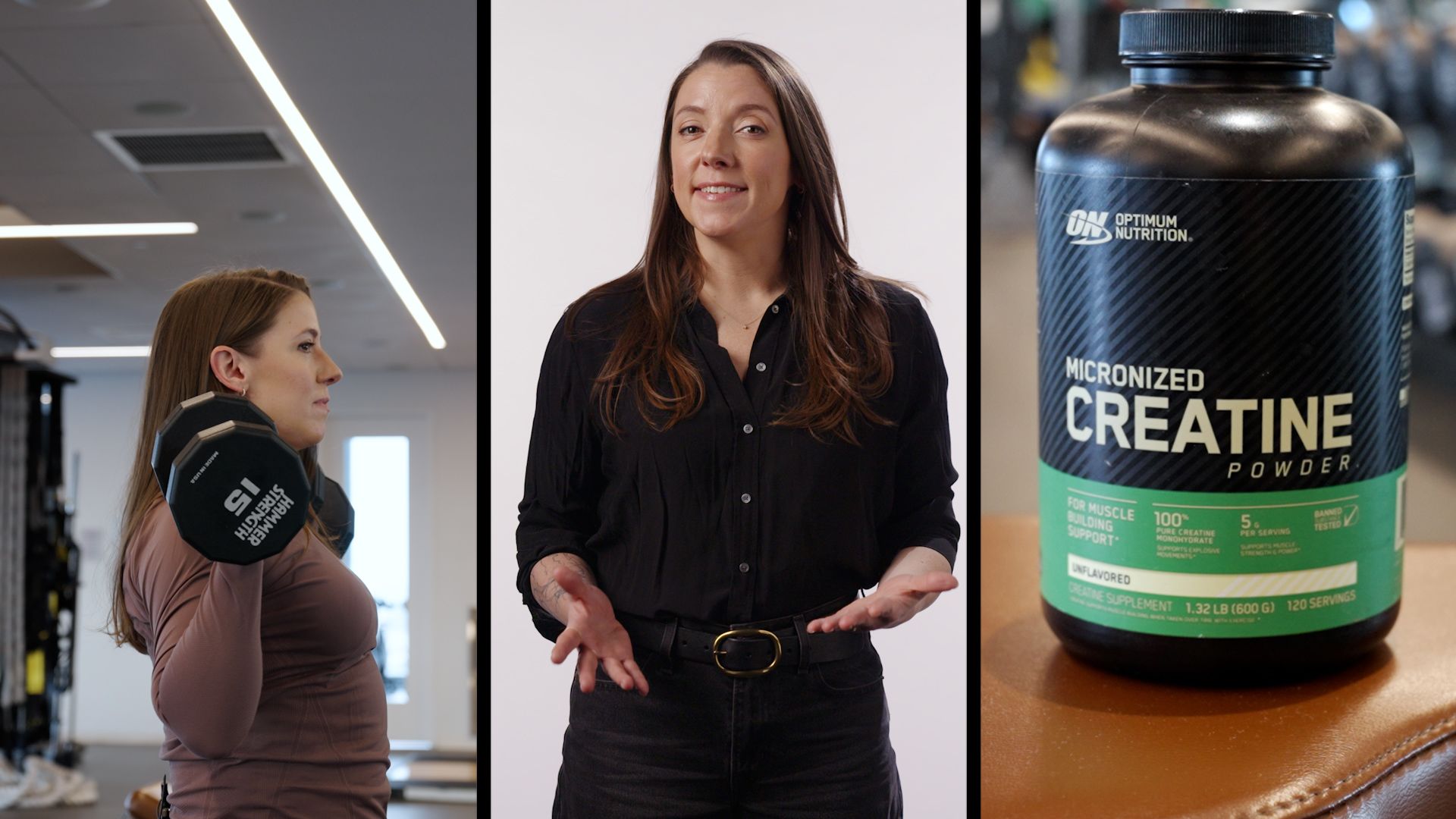
The popularity of creatine, a supplement often associated with bodybuilding and sports performance, has surged in recent months. Once viewed with skepticism, this compound is now being touted by various influencers and health enthusiasts for its potential benefits beyond muscle building, including cognitive enhancements.
A casual conversation this past spring prompted an exploration into creatine’s purported advantages. It has rapidly gained traction in the wellness industry, which is known for promoting a myriad of supplements and remedies. This trend reflects a growing interest among consumers seeking to enhance their physical and mental well-being.
According to Annie Wilson, a senior lecturer of marketing at the University of Pennsylvania’s Wharton School, the term “wellness” is particularly effective in marketing. It lacks a clear definition, allowing it to encompass a range of products, including creatine. The messaging surrounding creatine targets a diverse audience, from casual gym-goers to serious athletes, promising benefits such as improved muscle recovery, increased energy, and enhanced mood.
Creatine, a naturally occurring compound found in meat and dairy, is produced by the liver and kidneys. It is believed to aid in muscle performance by increasing energy production during high-intensity activities. Recent studies suggest that creatine supplementation can also provide cognitive benefits, especially for women and older adults. A report by Jungle Scout indicates that sales of creatine on Amazon are projected to grow by **18%** in **2024**, reaching over **$424 million**.
Despite its newfound popularity, creatine has faced historical scrutiny, especially during the late 1990s when it was linked to the scandal surrounding former baseball player **Mark McGwire**. His admission of using creatine raised eyebrows, leading to misconceptions about the supplement being akin to steroids. McGwire’s association with creatine during his pursuit of the single-season home run record contributed to its controversial image.
However, the perception of creatine has shifted significantly in the years since. As more research emerges, it is being embraced by both athletes and the general public alike. Dr. Michael Fredericson, a sports medicine expert at Stanford University, supports the use of creatine, stating, “It’s safe, it is effective for all age groups… There’s just not really any downside to it.”
For those considering incorporating creatine into their routines, a common recommendation is to consume **5 grams** daily. Initial experiences with creatine can vary, but many users report feeling a slight increase in stamina and recovery during workouts. For individuals engaged in rigorous exercise, this may translate into improved performance and reduced fatigue.
While my own experience with creatine yielded minor physical changes, I noticed some benefits in my training regimen. After a week of consistent use, I found myself completing additional push-ups and experiencing less fatigue by the end of the week. Fredericson notes that while creatine is not a miracle supplement, it can positively impact both physical and mental health.
Recent studies support the cognitive claims surrounding creatine. Research published in **2023** suggested that creatine supplementation could enhance cognitive functions, including memory and attention. Another study indicated improvements in mood and cognitive performance among women, attributing these effects to the restoration of brain energy levels.
As I continued my creatine journey, I faced challenges, such as the need to consistently take the supplement. On a recent trip, I nearly forgot to pack my creatine, underscoring the commitment involved. Although my physical appearance did not dramatically change, the supplement seemed to support my workouts and overall performance.
The ongoing fascination with creatine reflects a broader trend in the wellness industry, where consumers seek solutions to enhance their physical and mental capabilities. While the hype surrounding creatine may not be entirely unfounded, it is crucial to approach such supplements with a balanced perspective.
In a landscape filled with various health products, creatine stands out as a relatively safe and effective option for those looking to enhance their fitness and cognitive function. As more research emerges, its role in the wellness narrative will likely continue to evolve, solidifying its place in the supplement market.

Cosmic Mystery Deepens: Where Are the Universe’s Defects?

Lady Bulldogs Shine in Postseason Awards Following Final Four Run

CALV Hosts Essential Class for Local Real Estate Professionals

Urgent Alert: “Spaving” Surges as Shoppers Overspend Online

Jefferies Initiates Coverage on Insmed with “Buy” Rating

Three Dog Night to Perform with Ambrosia at Mayo Civic Center

Urgent Announcement: Charles M. Payment Passes Away at 78

Houston Education Foundation Donates $4,592 for Student Programs

Beeks Financial Cloud Shares Drop 7% Amid Increased Trading Volume

Foreign Inflows into Japan Stocks Surge to ¥1.34 Trillion

University of Hawaiʻi Joins $25.6M AI Project to Monitor Disasters

Sydney Sweeney Embraces Body Positivity Amid Hollywood Challenges

Hudson Williams Gains Popularity as Breakout Star on Heated Rivalry

Urgent Farewell: Joleen Chaney Leaves Legacy at KFOR

Boeing’s Merger with McDonnell Douglas: A Strategic Move Explained

$1.25M Grant Advances Hawaiʻi’s Real-Time Hazard Monitoring

Derrick Dove and ABAC Band Set for Free Americana Concert

BOYNEXTDOOR’s Jaehyun Faces Backlash Amid BTS-TWICE Controversy
-
Business9 months ago
Foreign Inflows into Japan Stocks Surge to ¥1.34 Trillion
-
Science8 months ago
University of Hawaiʻi Joins $25.6M AI Project to Monitor Disasters
-
 Entertainment9 months ago
Sydney Sweeney Embraces Body Positivity Amid Hollywood Challenges
-
 Entertainment7 months ago
Hudson Williams Gains Popularity as Breakout Star on Heated Rivalry
-
 Top Stories8 months ago
Urgent Farewell: Joleen Chaney Leaves Legacy at KFOR
-
 World9 months ago
Boeing’s Merger with McDonnell Douglas: A Strategic Move Explained
-
 Science7 months ago
$1.25M Grant Advances Hawaiʻi’s Real-Time Hazard Monitoring
-
 Entertainment8 months ago
Derrick Dove and ABAC Band Set for Free Americana Concert
-
 Top Stories9 months ago
BOYNEXTDOOR’s Jaehyun Faces Backlash Amid BTS-TWICE Controversy
-

 Health6 months ago
Bodybuilder Eugene Teo Transitions to Mindful Movement for Health
-

 World6 months ago
San Francisco Airport to Host 16 Nonstop Airlines to Europe in 2026
-

 Top Stories7 months ago
National Coast Guard Museum Set to Open in 2027 After Funding Secured