
Health
Connecticut Secures $154 Million for Rural Health Care Improvement

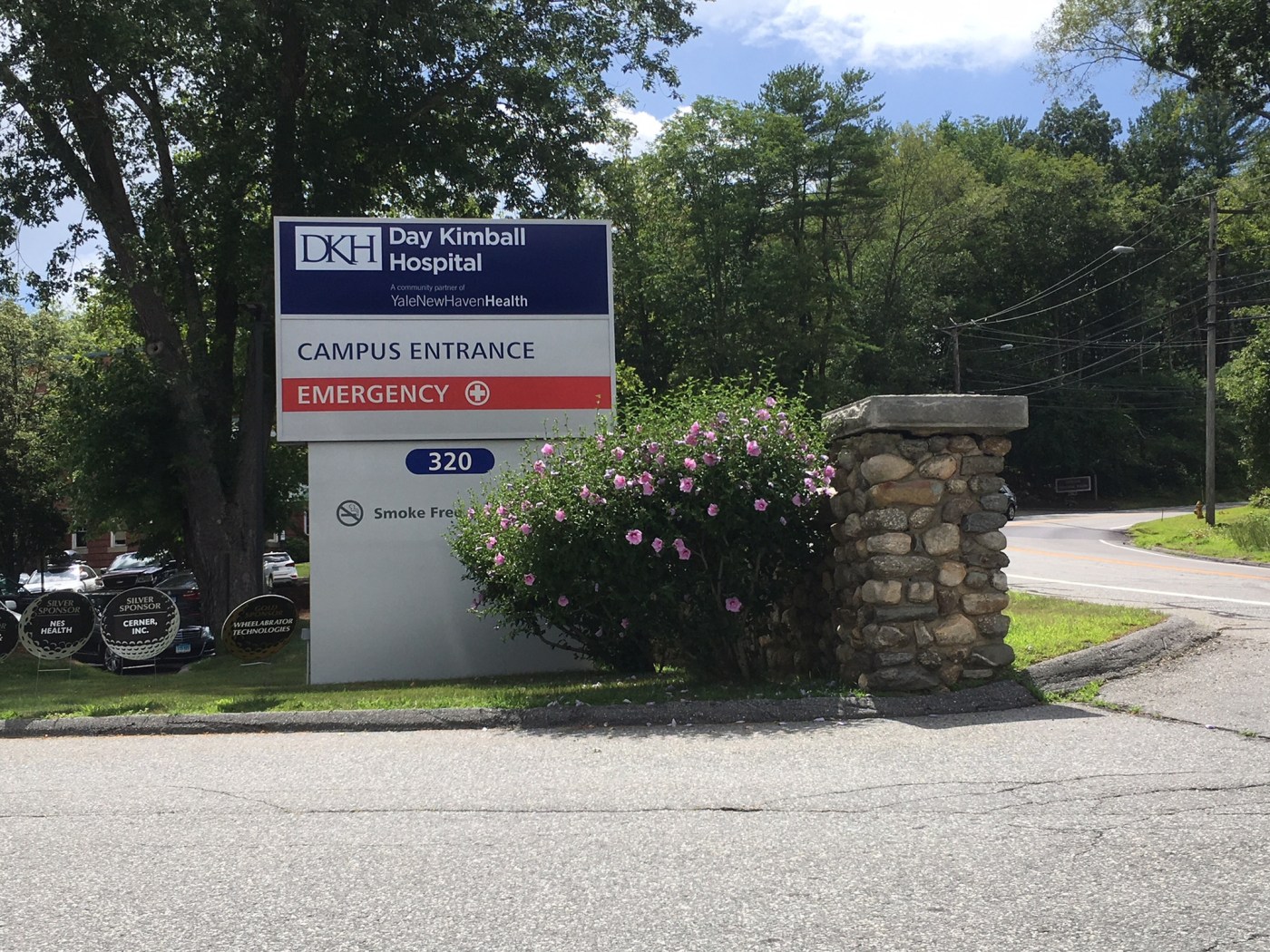
Connecticut has been awarded approximately $154 million as part of a federal initiative aimed at enhancing health care accessibility in rural areas. This funding arrives in anticipation of substantial changes to Medicaid, which are expected to impact health services throughout the state. The financial support is drawn from the Rural Health Transformation Program, a part of a broader $50 billion federal fund allocated for rural health care improvement across the United States over the next five years.
The initiative was introduced under the Trump administration’s “One Big Beautiful Bill Act,” designed to address concerns regarding potential Medicaid cuts and their effects on rural health facilities. Andrea Barton Reeves, Commissioner of the Connecticut Department of Social Services, emphasized the importance of this funding, stating it will allow the state “to keep working on long-standing priorities to improve health, prevent disease, and achieve our agency’s vision for a Connecticut where everyone is healthy, secure, and thriving.”
Funding Distribution and Future Prospects
Over the next five years, half of the total $50 billion will be evenly distributed among all 50 states, while the remaining $25 billion will be allocated at the discretion of the Centers for Medicare & Medicaid Services (CMS), based on various factors including the rural demographic of each state. Connecticut’s allocation is among the lowest in the country, following only New Jersey and representing the smallest award in New England. Stakeholders acknowledge that while Connecticut will receive an initial $154 million, further allocations may provide additional support in future years.
Past estimates suggest that every state will receive at least $100 million annually through the program until 2030. However, experts caution that Connecticut’s less rural geography may limit its access to the discretionary funds from CMS.
CMS Administrator Mehmet Oz remarked on the initiative, stating, “States are stepping forward with bold, creative plans to expand rural access, strengthen their workforces, modernize care and support the communities that keep our nation running.”
Strategic Initiatives and Challenges Ahead
Officials from the Connecticut Department of Social Services and the Office of Policy and Management spearheaded the grant application process, collaborating with various state agencies and receiving input from local health care providers. The swift turnaround from the bill’s passage to the announcement of awards reflects the urgency of enhancing rural health services.
Despite an initial request for roughly $938 million, state officials are realistic about the funding they are likely to receive in the coming years. Those involved in crafting Connecticut’s application are optimistic about maximizing the impact of the funds. Joanne Borduas, CEO of the Community Health and Wellness Center, noted the inclusion of key suggestions in the state’s plan, such as incentives for recruiting health care providers and enhancements to telehealth infrastructure.
Support from the Connecticut Hospital Association has also been strong, with Paul Kidwell, Senior Vice President of Policy, underscoring the need for targeted initiatives that directly benefit rural health care providers and the surrounding health systems.
Connecticut’s plan outlines 31 initiatives aimed at improving health care access in rural communities. These initiatives include mobile medical and dental units and expanded telehealth options, along with wellness programs targeting senior citizens. Some proposals will require legislative approval, such as streamlining the state’s “certificate of need” process regarding major hospital transactions.
As Connecticut prepares for upcoming changes in the health care landscape, including imminent Medicaid cutbacks, rural health providers face significant challenges. The potential decline in government-insured patients could lead to an increase in uninsured individuals seeking care, straining local hospitals. Changes to Medicaid eligibility could begin as early as December 31, 2026, with states needing to reassess eligibility every six months moving forward.
The future of rural health care in Connecticut rests on careful planning and strategic utilization of the newly allocated funds, as officials work to ensure that residents continue to receive essential health services.

Cosmic Mystery Deepens: Where Are the Universe’s Defects?

Lady Bulldogs Shine in Postseason Awards Following Final Four Run

CALV Hosts Essential Class for Local Real Estate Professionals

Urgent Alert: “Spaving” Surges as Shoppers Overspend Online

Jefferies Initiates Coverage on Insmed with “Buy” Rating

Three Dog Night to Perform with Ambrosia at Mayo Civic Center

Urgent Announcement: Charles M. Payment Passes Away at 78

Houston Education Foundation Donates $4,592 for Student Programs

Beeks Financial Cloud Shares Drop 7% Amid Increased Trading Volume

Foreign Inflows into Japan Stocks Surge to ¥1.34 Trillion

University of Hawaiʻi Joins $25.6M AI Project to Monitor Disasters

Sydney Sweeney Embraces Body Positivity Amid Hollywood Challenges

Hudson Williams Gains Popularity as Breakout Star on Heated Rivalry

Urgent Farewell: Joleen Chaney Leaves Legacy at KFOR

Boeing’s Merger with McDonnell Douglas: A Strategic Move Explained

$1.25M Grant Advances Hawaiʻi’s Real-Time Hazard Monitoring

Derrick Dove and ABAC Band Set for Free Americana Concert

BOYNEXTDOOR’s Jaehyun Faces Backlash Amid BTS-TWICE Controversy
-
Business9 months ago
Foreign Inflows into Japan Stocks Surge to ¥1.34 Trillion
-
Science8 months ago
University of Hawaiʻi Joins $25.6M AI Project to Monitor Disasters
-
 Entertainment9 months ago
Sydney Sweeney Embraces Body Positivity Amid Hollywood Challenges
-
 Entertainment7 months ago
Hudson Williams Gains Popularity as Breakout Star on Heated Rivalry
-
 Top Stories8 months ago
Urgent Farewell: Joleen Chaney Leaves Legacy at KFOR
-
 World9 months ago
Boeing’s Merger with McDonnell Douglas: A Strategic Move Explained
-
 Science7 months ago
$1.25M Grant Advances Hawaiʻi’s Real-Time Hazard Monitoring
-
 Entertainment8 months ago
Derrick Dove and ABAC Band Set for Free Americana Concert
-
 Top Stories9 months ago
BOYNEXTDOOR’s Jaehyun Faces Backlash Amid BTS-TWICE Controversy
-

 Health6 months ago
Bodybuilder Eugene Teo Transitions to Mindful Movement for Health
-

 World6 months ago
San Francisco Airport to Host 16 Nonstop Airlines to Europe in 2026
-

 Top Stories7 months ago
National Coast Guard Museum Set to Open in 2027 After Funding Secured