
Health
New Study Challenges Understanding of ADHD Stimulant Effects

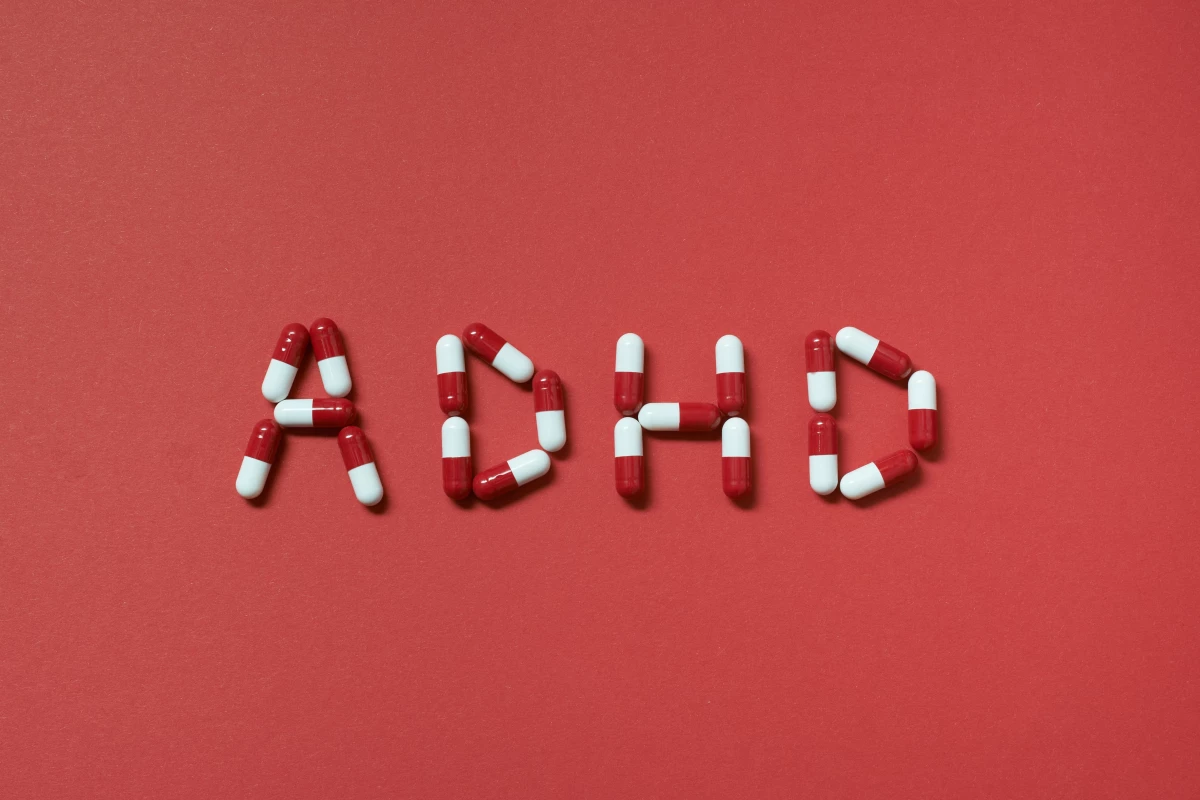
Recent research from the Washington University School of Medicine in St. Louis has dramatically shifted the understanding of how stimulant medications affect individuals with attention-deficit/hyperactivity disorder (ADHD). Contrary to decades of belief that these medications, including Adderall and Ritalin, enhance focus, the study suggests they primarily boost wakefulness and engagement, enabling individuals to stay with tasks rather than directly improving attention.
In a landmark investigation, researchers utilized brain imaging to examine the effects of stimulant medications on more than 11,000 participants from the Adolescent Brain Cognitive Development (ABCD) Study. They discovered that these drugs predominantly activate the brain’s reward and wakefulness centers, rather than the circuitry associated with attention. This finding redefines the role of stimulants, portraying them as facilitators of task engagement rather than direct enhancers of concentration.
Brendan Kay, an assistant professor of neurology and a practicing child neurologist, remarked on the implications of this research. “I prescribe a lot of stimulants, and I’ve always been taught that they facilitate attention systems. But we’ve shown that’s not the case. The improvement we observe in attention is a secondary effect of a child being more alert and finding a task more rewarding,” he said.
The research team conducted resting-state functional magnetic resonance imaging (fMRI) scans, comparing brain activity on days when participants took their medication to days when they did not. The results illustrated that children using stimulants displayed increased activity in areas of the brain linked to arousal and reward anticipation, rather than attention-focused regions.
Insights from Adult Studies
To further validate their findings, the researchers performed additional tests on adults without ADHD, administering stimulant medication and scanning their brains. The outcomes mirrored those seen in children: the activation of arousal and reward centers was evident, while attention centers remained unaffected.
According to Nico U. Dosenbach, a professor of neurology involved in the study, the results suggest that stimulants pre-reward the brain, making it easier to persist in tasks that may not inherently capture interest. “These results provide a potential explanation for how stimulants treat hyperactivity,” Dosenbach explained. “Tasks that make children fidgety are often those they find unrewarding. On a stimulant, they can sit still better because they’re not seeking something more engaging.”
The study also revealed that stimulant medications can help compensate for the cognitive deficits associated with poor sleep, which frequently affects individuals with ADHD. Participants who did not sleep well but took a stimulant demonstrated brain activity patterns akin to those who had sufficient rest. “If a participant didn’t sleep enough but took a stimulant, the brain signature of insufficient sleep was erased,” noted Dosenbach.
Implications for Treatment and Future Research
These findings suggest a nuanced understanding of how stimulant medications assist individuals with ADHD. Rather than acting solely as attention enhancers, they may reduce the mental effort needed to engage with tasks. This could explain why many individuals report that these medications make challenging tasks feel more manageable, even if they do not directly improve focus.
As the research challenges the traditional view of ADHD treatment, it also raises questions about the long-term effects of stimulant use, particularly in relation to cognitive function and sleep. The study’s authors emphasized the need for further research to understand the potential impacts of these medications on restorative sleep, especially since many individuals with ADHD experience sleep disturbances.
The implications of this research extend beyond childhood ADHD, as the findings were confirmed in adults, enhancing the relevance of the study across different age groups. The researchers concluded that attention is a complex construct influenced not only by cognitive ability but also by arousal, motivation, and persistence.
This groundbreaking study, published in the journal Cell, paves the way for rethinking ADHD stimulant treatments and opens avenues for future research into more effective management strategies for individuals affected by this condition.

Cosmic Mystery Deepens: Where Are the Universe’s Defects?

Lady Bulldogs Shine in Postseason Awards Following Final Four Run

CALV Hosts Essential Class for Local Real Estate Professionals

Urgent Alert: “Spaving” Surges as Shoppers Overspend Online

Jefferies Initiates Coverage on Insmed with “Buy” Rating

Three Dog Night to Perform with Ambrosia at Mayo Civic Center

Urgent Announcement: Charles M. Payment Passes Away at 78

Houston Education Foundation Donates $4,592 for Student Programs

Beeks Financial Cloud Shares Drop 7% Amid Increased Trading Volume

Foreign Inflows into Japan Stocks Surge to ¥1.34 Trillion

University of Hawaiʻi Joins $25.6M AI Project to Monitor Disasters

Sydney Sweeney Embraces Body Positivity Amid Hollywood Challenges

Hudson Williams Gains Popularity as Breakout Star on Heated Rivalry

Urgent Farewell: Joleen Chaney Leaves Legacy at KFOR

Boeing’s Merger with McDonnell Douglas: A Strategic Move Explained

$1.25M Grant Advances Hawaiʻi’s Real-Time Hazard Monitoring

Derrick Dove and ABAC Band Set for Free Americana Concert

BOYNEXTDOOR’s Jaehyun Faces Backlash Amid BTS-TWICE Controversy
-
Business9 months ago
Foreign Inflows into Japan Stocks Surge to ¥1.34 Trillion
-
Science8 months ago
University of Hawaiʻi Joins $25.6M AI Project to Monitor Disasters
-
 Entertainment9 months ago
Sydney Sweeney Embraces Body Positivity Amid Hollywood Challenges
-
 Entertainment7 months ago
Hudson Williams Gains Popularity as Breakout Star on Heated Rivalry
-
 Top Stories8 months ago
Urgent Farewell: Joleen Chaney Leaves Legacy at KFOR
-
 World9 months ago
Boeing’s Merger with McDonnell Douglas: A Strategic Move Explained
-
 Science7 months ago
$1.25M Grant Advances Hawaiʻi’s Real-Time Hazard Monitoring
-
 Entertainment8 months ago
Derrick Dove and ABAC Band Set for Free Americana Concert
-
 Top Stories9 months ago
BOYNEXTDOOR’s Jaehyun Faces Backlash Amid BTS-TWICE Controversy
-

 Health6 months ago
Bodybuilder Eugene Teo Transitions to Mindful Movement for Health
-

 World6 months ago
San Francisco Airport to Host 16 Nonstop Airlines to Europe in 2026
-

 Top Stories7 months ago
National Coast Guard Museum Set to Open in 2027 After Funding Secured