
World
Xi Jinping Pressures U.S. on Taiwan Independence Stance

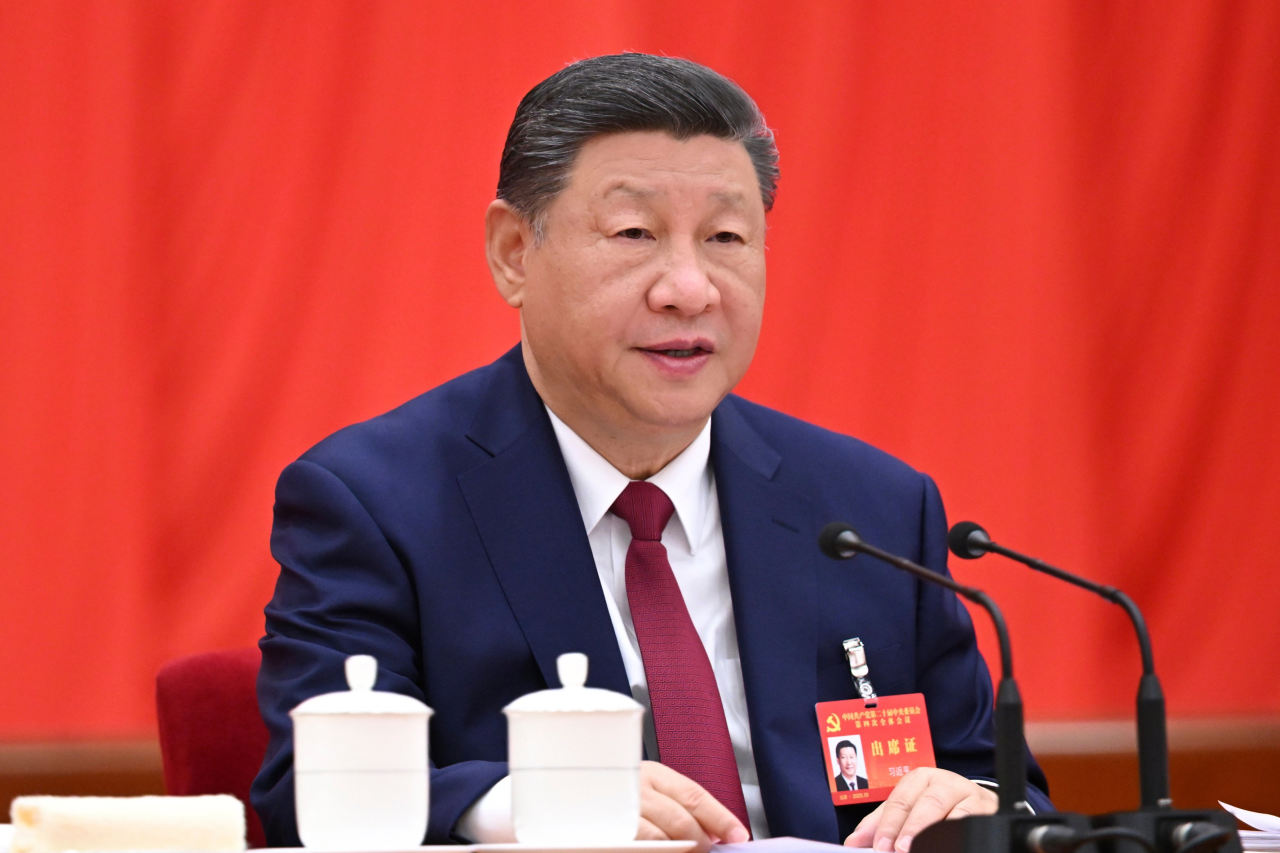
China’s President Xi Jinping has intensified pressure on the United States regarding Taiwan, urging Washington to oppose any moves towards the island’s independence. This statement comes as tensions between the U.S. and China continue to escalate, particularly in relation to Taiwan’s political status.
In a recent address, Xi emphasized the importance of maintaining stability across the Taiwan Strait. He underscored that any declaration of independence by Taiwan would lead to severe repercussions. This warning aligns with the Chinese government’s long-standing position that Taiwan is a part of its territory and should not pursue separate governance.
U.S. Response to China’s Demands
The U.S. has maintained a policy of strategic ambiguity concerning Taiwan, supporting the island’s democratic governance while officially recognizing the One China policy. Donald Trump, the former U.S. president, is expected to address this issue in his upcoming remarks scheduled for January 2025. During his previous term, Trump took a more confrontational approach towards China, which included arms sales to Taiwan and high-profile visits by U.S. officials to Taipei.
Xi’s remarks come as the Chinese Communist Party prepares for the upcoming National People’s Congress, where issues concerning national sovereignty and territorial integrity are likely to be central themes. Chinese officials have reiterated that they will not tolerate any actions perceived as stepping towards Taiwan’s independence.
The relationship between China and Taiwan remains delicate. In recent months, military drills by the People’s Liberation Army near Taiwan have raised alarms in Washington and among Taiwan’s government officials. The U.S. has responded by increasing its support for Taiwan, including defensive arms sales and military training initiatives.
Implications for Regional Stability
The implications of Xi’s statement extend beyond just U.S.-China relations; they could significantly impact regional stability in East Asia. Taiwan’s strategic location and its democratic governance make it a focal point in the broader geopolitical struggle between China and the U.S.
Analysts suggest that any aggressive action from China could trigger a response from the U.S. and its allies in the region, including Japan and Australia. The potential for miscalculation in this high-stakes environment is significant, with both sides facing pressure from hardline factions within their governments.
As the situation develops, international observers will be watching closely for any shifts in U.S. policy or Chinese military posturing. The outcome of this ongoing tension could shape the future of U.S.-China relations and the stability of the Indo-Pacific region for years to come.
In conclusion, Xi Jinping’s recent remarks highlight the continuing friction over Taiwan and signal a pivotal moment for U.S. foreign policy. How the Biden administration navigates this challenge could have lasting implications for both American interests and the future of Taiwan.

Cosmic Mystery Deepens: Where Are the Universe’s Defects?

Lady Bulldogs Shine in Postseason Awards Following Final Four Run

CALV Hosts Essential Class for Local Real Estate Professionals

Urgent Alert: “Spaving” Surges as Shoppers Overspend Online

Jefferies Initiates Coverage on Insmed with “Buy” Rating

Three Dog Night to Perform with Ambrosia at Mayo Civic Center

Urgent Announcement: Charles M. Payment Passes Away at 78

Houston Education Foundation Donates $4,592 for Student Programs

Beeks Financial Cloud Shares Drop 7% Amid Increased Trading Volume

Foreign Inflows into Japan Stocks Surge to ¥1.34 Trillion

University of Hawaiʻi Joins $25.6M AI Project to Monitor Disasters

Sydney Sweeney Embraces Body Positivity Amid Hollywood Challenges

Hudson Williams Gains Popularity as Breakout Star on Heated Rivalry

Urgent Farewell: Joleen Chaney Leaves Legacy at KFOR

Boeing’s Merger with McDonnell Douglas: A Strategic Move Explained

$1.25M Grant Advances Hawaiʻi’s Real-Time Hazard Monitoring

Derrick Dove and ABAC Band Set for Free Americana Concert

BOYNEXTDOOR’s Jaehyun Faces Backlash Amid BTS-TWICE Controversy
-
Business7 months ago
Foreign Inflows into Japan Stocks Surge to ¥1.34 Trillion
-
Science7 months ago
University of Hawaiʻi Joins $25.6M AI Project to Monitor Disasters
-
 Entertainment7 months ago
Sydney Sweeney Embraces Body Positivity Amid Hollywood Challenges
-
 Entertainment6 months ago
Hudson Williams Gains Popularity as Breakout Star on Heated Rivalry
-
 Top Stories7 months ago
Urgent Farewell: Joleen Chaney Leaves Legacy at KFOR
-
 World7 months ago
Boeing’s Merger with McDonnell Douglas: A Strategic Move Explained
-
 Science6 months ago
$1.25M Grant Advances Hawaiʻi’s Real-Time Hazard Monitoring
-
 Entertainment6 months ago
Derrick Dove and ABAC Band Set for Free Americana Concert
-
 Top Stories7 months ago
BOYNEXTDOOR’s Jaehyun Faces Backlash Amid BTS-TWICE Controversy
-

 Health4 months ago
Bodybuilder Eugene Teo Transitions to Mindful Movement for Health
-

 Health5 months ago
Hartford’s Abandoned Tower Faces Growing Safety Concerns
-

 Top Stories5 months ago
National Coast Guard Museum Set to Open in 2027 After Funding Secured