
World
US Seizes Oil Tanker Near Venezuela, Sparks Political Tensions

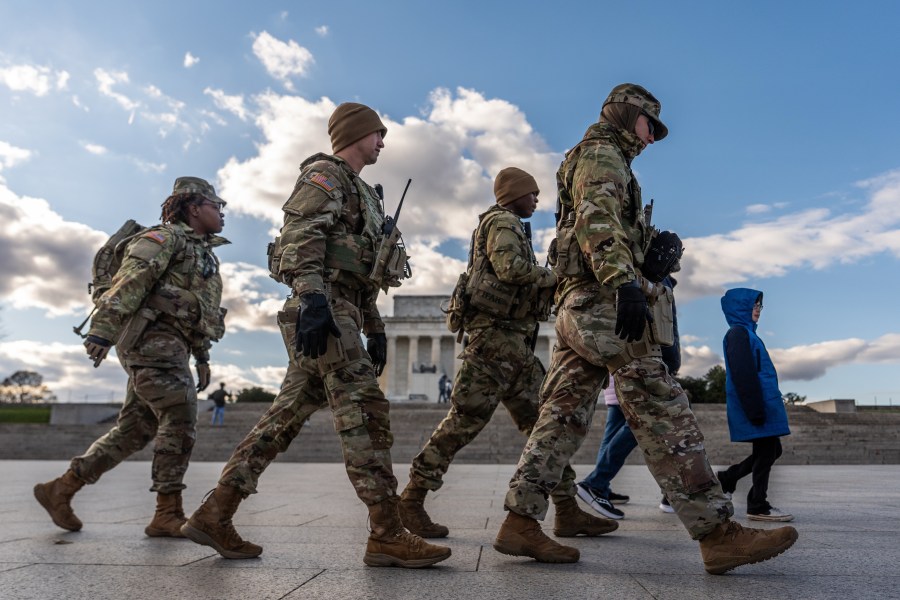
The United States has seized an oil tanker off the coast of Venezuela, escalating tensions with the government led by President Nicolás Maduro. This action has prompted Venezuela to label the seizure as “blatant piracy,” highlighting the ongoing struggle for control over the country’s significant oil reserves. The situation has drawn the attention of Congress, which is now examining President Donald Trump’s efforts to intensify pressure on the Maduro administration.
In recent months, U.S.-Venezuelan relations have deteriorated, with the Trump administration pursuing a strategy aimed at undermining Maduro’s hold on power. The seized tanker, reportedly named Grace 1, was allegedly transporting oil to a nation that is under U.S. sanctions. The U.S. government claims that the action is necessary to curb the flow of resources to regimes that threaten regional stability.
Venezuela’s response has been swift and severe. Officials in Caracas have condemned the seizure, asserting that it represents a direct violation of international law. Speaking on national television, Maduro stated, “This act of piracy demonstrates the lengths to which the U.S. will go to control our resources.” This sentiment reflects a longstanding belief among Venezuelans that U.S. interference has been largely motivated by a desire to dominate the country’s vast oil reserves, which are among the largest in the world.
The implications of this seizure extend beyond diplomatic rhetoric. The Venezuelan economy is heavily reliant on oil exports, which account for over 90% of its revenue. The ongoing economic crisis has led to widespread shortages of basic goods and services, exacerbating the humanitarian situation in the country. The Trump administration’s latest actions could further destabilize an already fragile economy, leading to increased hardship for ordinary Venezuelans.
As Congress scrutinizes the administration’s foreign policy, some lawmakers are expressing concerns about the potential ramifications of escalating tensions with Venezuela. Critics argue that while the U.S. aims to support democracy and human rights in Venezuela, aggressive tactics may have the opposite effect, entrenching Maduro’s grip on power and further isolating the nation.
International observers are watching the developments closely, as any prolonged conflict between the U.S. and Venezuela could have regional and global repercussions. The situation could influence oil markets and international relations across Latin America, particularly as countries navigate their own ties with both the U.S. and Venezuela.
In the coming days, it remains to be seen how both governments will respond to this latest chapter in their contentious relationship. With the U.S. asserting its position on Venezuela’s oil exports, the ongoing battle for control of resources is likely to escalate, shaping the political landscape in the region for the foreseeable future.

Cosmic Mystery Deepens: Where Are the Universe’s Defects?

Lady Bulldogs Shine in Postseason Awards Following Final Four Run

CALV Hosts Essential Class for Local Real Estate Professionals

Urgent Alert: “Spaving” Surges as Shoppers Overspend Online

Jefferies Initiates Coverage on Insmed with “Buy” Rating

Three Dog Night to Perform with Ambrosia at Mayo Civic Center

Urgent Announcement: Charles M. Payment Passes Away at 78

Houston Education Foundation Donates $4,592 for Student Programs

Beeks Financial Cloud Shares Drop 7% Amid Increased Trading Volume

Foreign Inflows into Japan Stocks Surge to ¥1.34 Trillion

University of Hawaiʻi Joins $25.6M AI Project to Monitor Disasters

Sydney Sweeney Embraces Body Positivity Amid Hollywood Challenges

Hudson Williams Gains Popularity as Breakout Star on Heated Rivalry

Urgent Farewell: Joleen Chaney Leaves Legacy at KFOR

Boeing’s Merger with McDonnell Douglas: A Strategic Move Explained

$1.25M Grant Advances Hawaiʻi’s Real-Time Hazard Monitoring

Derrick Dove and ABAC Band Set for Free Americana Concert

BOYNEXTDOOR’s Jaehyun Faces Backlash Amid BTS-TWICE Controversy
-
Business9 months ago
Foreign Inflows into Japan Stocks Surge to ¥1.34 Trillion
-
Science9 months ago
University of Hawaiʻi Joins $25.6M AI Project to Monitor Disasters
-
 Entertainment9 months ago
Sydney Sweeney Embraces Body Positivity Amid Hollywood Challenges
-
 Entertainment8 months ago
Hudson Williams Gains Popularity as Breakout Star on Heated Rivalry
-
 Top Stories9 months ago
Urgent Farewell: Joleen Chaney Leaves Legacy at KFOR
-
 World9 months ago
Boeing’s Merger with McDonnell Douglas: A Strategic Move Explained
-
 Science8 months ago
$1.25M Grant Advances Hawaiʻi’s Real-Time Hazard Monitoring
-
 Entertainment8 months ago
Derrick Dove and ABAC Band Set for Free Americana Concert
-
 Top Stories9 months ago
BOYNEXTDOOR’s Jaehyun Faces Backlash Amid BTS-TWICE Controversy
-

 Health6 months ago
Bodybuilder Eugene Teo Transitions to Mindful Movement for Health
-

 World6 months ago
San Francisco Airport to Host 16 Nonstop Airlines to Europe in 2026
-

 Top Stories7 months ago
National Coast Guard Museum Set to Open in 2027 After Funding Secured