
World
Russian Tanker Attacked Off Turkish Coast Amid Ukraine’s Strikes

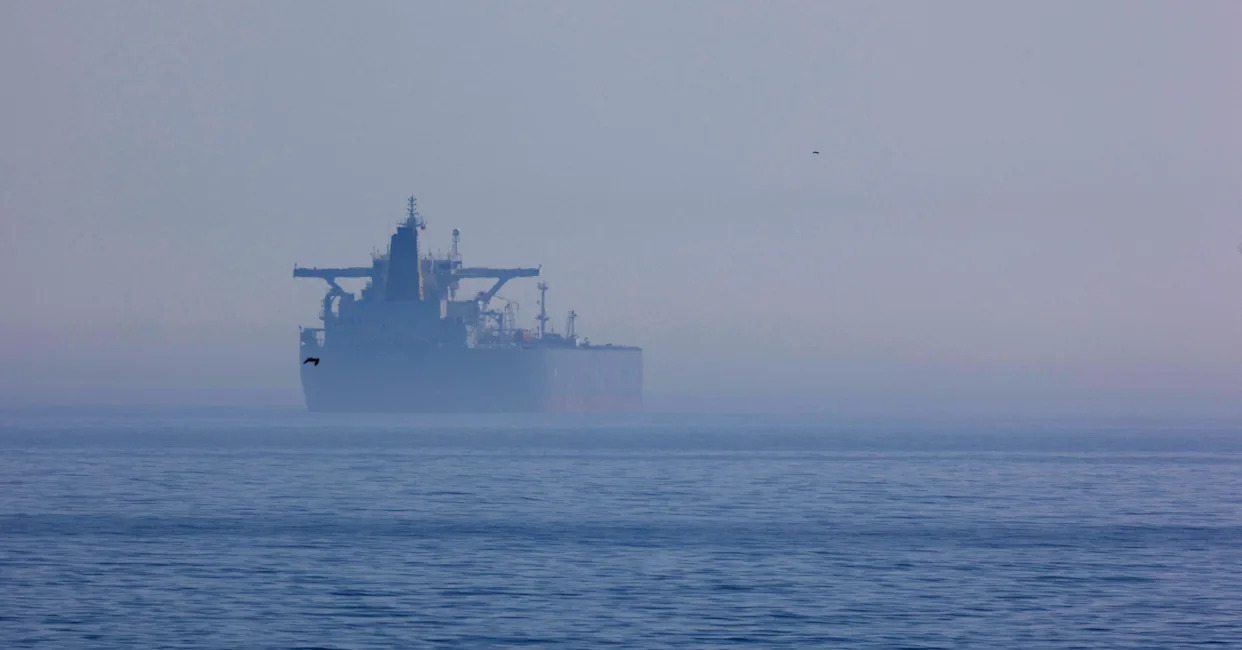
A Russian-flagged tanker, the Midvolga-2, was attacked in the Black Sea approximately 130 km (about 80 miles) from the Turkish coast. This incident marks the third attack on Russian vessels in a week, highlighting rising tensions in the region. The Turkish Directorate General of Maritime Affairs announced the situation on Tuesday, confirming that the tanker was en route to Georgia, carrying a cargo of sunflower oil.
In a statement, the directorate noted that the crew of 13 remained unharmed and that the vessel did not require assistance, as it continued towards Sinop port. Reports suggest that a kamikaze drone was used in the attack, though the Turkish authorities did not provide further details. Turkish President Recep Tayyip Erdogan expressed concern over the escalating violence, indicating that such attacks on commercial shipping represent a “worrying escalation” of the ongoing conflict between Ukraine and Russia.
Ukraine Targets Russian ‘Shadow Fleet’
The attack on the Midvolga-2 follows Ukrainian drone strikes on two other Russian-flagged vessels, the Kairos and the Virat, as they were heading to a Russian port to load oil intended for international markets. According to a Ukrainian official, these vessels are part of Russia’s “shadow fleet,” which has been reportedly operating in violation of international sanctions. A recent report from the Centre for Research on Energy and Clean Air (CREA) indicated that in the first nine months of the year, 113 vessels have sailed under false flags, transporting around 11 million tonnes of Russian crude, valued at approximately €4.7 billion (about $5.4 billion).
Turkey, a NATO member, has maintained a careful diplomatic stance since the onset of the conflict, balancing its relationships with both Kyiv and Moscow. While Ankara has provided military support to Ukraine, it has refrained from participating in Western sanctions against Russia and has emphasized the importance of navigational safety in the Black Sea.
Erdogan stated, “We cannot condone these attacks, which threaten navigational safety, life, and the environment, especially in our own exclusive zone.” He also mentioned that Turkey has communicated necessary messages to all parties involved, including Ukrainian authorities.
Escalating Conflict and Targeting Energy Infrastructure
Kyiv has intensified its efforts to disrupt Russia’s oil exports, targeting the country’s energy infrastructure in recent months. This strategy aims to weaken Russia’s financial capacity to sustain its military operations. Ukrainian forces have specifically focused on striking Russian refineries and crude terminals.
In response to the ongoing attacks, Russia’s foreign ministry condemned the Ukrainian strikes on oil tankers, labeling them as “acts of terrorism” that threaten freedom of navigation in the Black Sea. On Tuesday, a Ukrainian drone strike reportedly ignited a fire at an oil facility in the southern Russian region of Oryol, further escalating tensions.
As the situation evolves, the implications of these maritime confrontations are likely to resonate throughout the international community, prompting discussions about security and the future of commercial shipping in the Black Sea region.

Cosmic Mystery Deepens: Where Are the Universe’s Defects?

Lady Bulldogs Shine in Postseason Awards Following Final Four Run

CALV Hosts Essential Class for Local Real Estate Professionals

Urgent Alert: “Spaving” Surges as Shoppers Overspend Online

Jefferies Initiates Coverage on Insmed with “Buy” Rating

Three Dog Night to Perform with Ambrosia at Mayo Civic Center

Urgent Announcement: Charles M. Payment Passes Away at 78

Houston Education Foundation Donates $4,592 for Student Programs

Beeks Financial Cloud Shares Drop 7% Amid Increased Trading Volume

Foreign Inflows into Japan Stocks Surge to ¥1.34 Trillion

University of Hawaiʻi Joins $25.6M AI Project to Monitor Disasters

Hudson Williams Gains Popularity as Breakout Star on Heated Rivalry

Sydney Sweeney Embraces Body Positivity Amid Hollywood Challenges

Urgent Farewell: Joleen Chaney Leaves Legacy at KFOR

Boeing’s Merger with McDonnell Douglas: A Strategic Move Explained

$1.25M Grant Advances Hawaiʻi’s Real-Time Hazard Monitoring

BOYNEXTDOOR’s Jaehyun Faces Backlash Amid BTS-TWICE Controversy

Bodybuilder Eugene Teo Transitions to Mindful Movement for Health
-
Business5 months ago
Foreign Inflows into Japan Stocks Surge to ¥1.34 Trillion
-
Science5 months ago
University of Hawaiʻi Joins $25.6M AI Project to Monitor Disasters
-
 Entertainment4 months ago
Hudson Williams Gains Popularity as Breakout Star on Heated Rivalry
-
 Entertainment6 months ago
Sydney Sweeney Embraces Body Positivity Amid Hollywood Challenges
-
 Top Stories5 months ago
Urgent Farewell: Joleen Chaney Leaves Legacy at KFOR
-
 World6 months ago
Boeing’s Merger with McDonnell Douglas: A Strategic Move Explained
-
 Science4 months ago
$1.25M Grant Advances Hawaiʻi’s Real-Time Hazard Monitoring
-
 Top Stories6 months ago
BOYNEXTDOOR’s Jaehyun Faces Backlash Amid BTS-TWICE Controversy
-
 Health3 months ago
Bodybuilder Eugene Teo Transitions to Mindful Movement for Health
-

 Health3 months ago
Hartford’s Abandoned Tower Faces Growing Safety Concerns
-

 World6 months ago
French Film Explores Group Therapy in ‘Group – The Schopenhauer Project’
-

 World4 months ago
Nicolas Maduro’s Surprising Tenure: Defiance and Controversy