
World
Gavin Newsom’s Policies Raise Concerns Among Democratic Voters

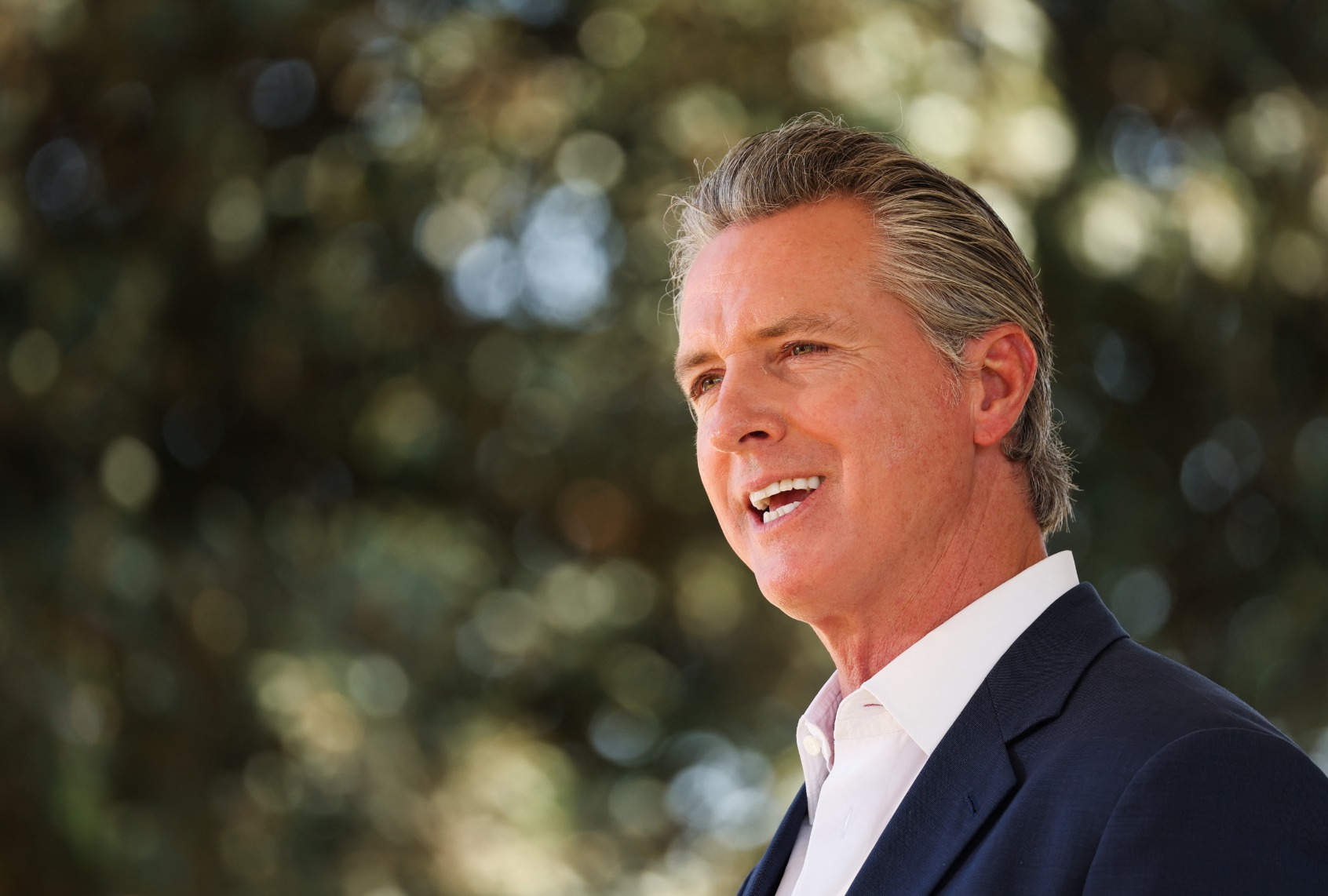
California Governor Gavin Newsom is facing increasing scrutiny over his political decisions, particularly as he positions himself as a leading candidate for the 2028 Democratic presidential nomination. His recent opposition to a proposed one-time 5% tax on billionaires has drawn criticism from within the Democratic Party, especially given that a Reuters-Ipsos poll found that 86% of Democrats prioritize reforms to ensure that wealthy Americans and large corporations pay more in taxes.
Newsom’s confrontational stance against former President Donald Trump has garnered him praise among some party members. His administration has effectively responded to the growing demand for a more aggressive approach to Trump’s policies since his deployment of National Guard troops to manage protests in Los Angeles in June 2025. Yet many voters remain unaware of the governor’s broader policy record, which increasingly aligns with corporate interests rather than progressive social initiatives.
Despite the economic challenges faced by many Californians—where approximately seven million live below the poverty line—Newsom’s recent budgetary decisions have raised alarms. His latest budget plan, released in January 2026, maintains cuts to essential public services like Medi-Cal, contradicting the needs of those affected by federal cuts outlined in the Republican megabill, H.R. 1. The California Budget & Policy Center pointed out that this approach will likely deny many residents access to food assistance and healthcare coverage.
In a move that highlights his ties to the business community, Newsom has reached out to corporate leaders, reportedly sending approximately 100 executives prepaid cell phones programmed with his contact information. Such gestures underscore a growing concern among Democrats that Newsom’s political strategy prioritizes corporate relationships over support for the economically vulnerable.
“National media have focused on Newsom as a personality and potential White House candidate and have almost completely ignored what he has and has not done as a governor,”
commented political columnist Dan Walters. He emphasized that national coverage often overlooks substantive actions in favor of image-driven narratives.
Critics also point to Newsom’s recent decisions that have alienated environmental advocates. Last autumn, he signed legislation that permits the opening of thousands of new oil wells, a move condemned by climate action groups. The Oil and Gas Action Network criticized him, stating, “Newsom can’t claim climate leadership while giving Big Oil what it wants.” Additionally, he vetoed a bill aimed at banning hazardous PFAS chemicals from consumer products, a decision met with dismay from environmental organizations like Clean Water Action.
Moreover, Newsom’s record on labor rights has come under fire. In 2023, he vetoed a bill that would have provided unemployment benefits to striking workers, and in the following year, he rejected measures intended to protect farmworkers from heat-related health hazards.
Polling indicates a significant ideological divide between Newsom and the Democratic base. A recent Gallup poll revealed that 59% of Democrats classify themselves as “liberal” or “very liberal,” a stark contrast to Newsom’s moderate tendencies. This disconnect raises questions about his viability as the party’s nominee, particularly considering the negative impact of moderate politics on voter turnout in previous elections.
Despite his stated goal of fostering a broad coalition within the Democratic Party, Newsom’s alliances with figures like former Senator Joe Manchin and the socialist mayor of New York City, Zohran Mamdani, have sparked debate. His remarks about wanting an inclusive party omit the fact that Manchin played a critical role in obstructing significant Democratic legislation during the Biden administration.
The governor has also faced backlash for his comments regarding the Israeli-Palestinian conflict. Following a Quinnipiac survey that found 77% of Democrats believe Israel committed genocide in Gaza, Newsom publicly disagreed, stating he does not share that view. This stance puts him at odds with a substantial portion of the party, exacerbating concerns about his alignment with Democratic values.
As the political landscape evolves, Newsom’s standing as a potential presidential candidate may be challenged by fellow Democrats, including Rep. Ro Khanna, who has criticized his reluctance to confront the influence of wealthy donors, particularly regarding military aid to Israel and tax policy.
For those advocating for a truly progressive Democratic Party, Newsom’s recent actions and policy choices raise significant concerns. As the political discourse shifts, his ability to balance corporate interests with the needs of ordinary citizens will be closely monitored by both supporters and critics alike.

Cosmic Mystery Deepens: Where Are the Universe’s Defects?

Lady Bulldogs Shine in Postseason Awards Following Final Four Run

CALV Hosts Essential Class for Local Real Estate Professionals

Urgent Alert: “Spaving” Surges as Shoppers Overspend Online

Jefferies Initiates Coverage on Insmed with “Buy” Rating

Three Dog Night to Perform with Ambrosia at Mayo Civic Center

Urgent Announcement: Charles M. Payment Passes Away at 78

Houston Education Foundation Donates $4,592 for Student Programs

Beeks Financial Cloud Shares Drop 7% Amid Increased Trading Volume

Foreign Inflows into Japan Stocks Surge to ¥1.34 Trillion

University of Hawaiʻi Joins $25.6M AI Project to Monitor Disasters

Sydney Sweeney Embraces Body Positivity Amid Hollywood Challenges

Hudson Williams Gains Popularity as Breakout Star on Heated Rivalry

Urgent Farewell: Joleen Chaney Leaves Legacy at KFOR

Boeing’s Merger with McDonnell Douglas: A Strategic Move Explained

$1.25M Grant Advances Hawaiʻi’s Real-Time Hazard Monitoring

Derrick Dove and ABAC Band Set for Free Americana Concert

BOYNEXTDOOR’s Jaehyun Faces Backlash Amid BTS-TWICE Controversy
-
Business9 months ago
Foreign Inflows into Japan Stocks Surge to ¥1.34 Trillion
-
Science8 months ago
University of Hawaiʻi Joins $25.6M AI Project to Monitor Disasters
-
 Entertainment9 months ago
Sydney Sweeney Embraces Body Positivity Amid Hollywood Challenges
-
 Entertainment7 months ago
Hudson Williams Gains Popularity as Breakout Star on Heated Rivalry
-
 Top Stories8 months ago
Urgent Farewell: Joleen Chaney Leaves Legacy at KFOR
-
 World9 months ago
Boeing’s Merger with McDonnell Douglas: A Strategic Move Explained
-
 Science7 months ago
$1.25M Grant Advances Hawaiʻi’s Real-Time Hazard Monitoring
-
 Entertainment8 months ago
Derrick Dove and ABAC Band Set for Free Americana Concert
-
 Top Stories9 months ago
BOYNEXTDOOR’s Jaehyun Faces Backlash Amid BTS-TWICE Controversy
-

 Health6 months ago
Bodybuilder Eugene Teo Transitions to Mindful Movement for Health
-

 World6 months ago
San Francisco Airport to Host 16 Nonstop Airlines to Europe in 2026
-

 Top Stories7 months ago
National Coast Guard Museum Set to Open in 2027 After Funding Secured