
World
China Enforces Export Controls on Steel Products Starting January 1

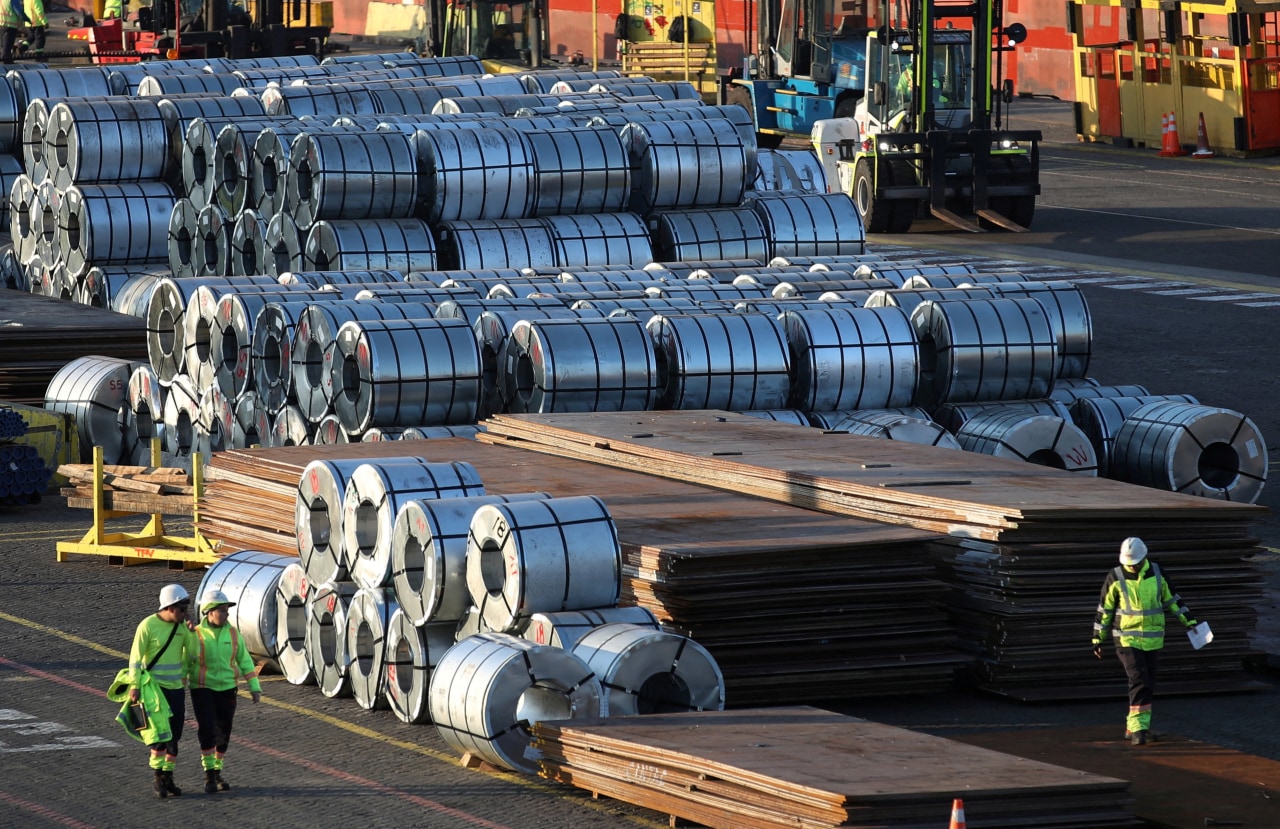
China has announced new export controls on certain steel products, requiring exporters to obtain permission before shipping these items. This regulation will take effect on January 1, 2024, as part of the country’s broader strategy to manage its steel industry and address domestic market conditions.
The Ministry of Commerce stated that the measure is intended to stabilize the domestic steel market and ensure adequate supply within China. By controlling exports, the government aims to prevent potential shortages that could arise from increased international demand.
This decision follows a series of market fluctuations that have affected steel prices globally. Exporters looking to ship specific steel products will now need to navigate the new permitting process, which could lead to delays in international shipments. The move is expected to impact not only Chinese producers but also global markets that rely on Chinese steel supplies.
China has been a significant player in the global steel market, producing over 1 billion metric tons of steel in 2022. With such a substantial output, any regulatory changes can have far-reaching implications for international trade dynamics.
The government’s decision aligns with its ongoing efforts to reduce overcapacity in the steel sector while promoting sustainability. As environmental regulations become stricter, the Chinese government is focusing on improving production methods and reducing emissions associated with steel manufacturing.
As the January deadline approaches, industry analysts are closely monitoring how these export controls will influence steel prices and availability worldwide. The implications of this policy could be significant, especially for countries that depend on Chinese steel for infrastructure and manufacturing projects.
Overall, this development marks a pivotal moment in China’s approach to its steel industry, balancing domestic needs with its role in the global market. Stakeholders in various sectors will need to adapt to these changes as they unfold.

Cosmic Mystery Deepens: Where Are the Universe’s Defects?

Lady Bulldogs Shine in Postseason Awards Following Final Four Run

CALV Hosts Essential Class for Local Real Estate Professionals

Urgent Alert: “Spaving” Surges as Shoppers Overspend Online

Jefferies Initiates Coverage on Insmed with “Buy” Rating

Three Dog Night to Perform with Ambrosia at Mayo Civic Center

Urgent Announcement: Charles M. Payment Passes Away at 78

Houston Education Foundation Donates $4,592 for Student Programs

Beeks Financial Cloud Shares Drop 7% Amid Increased Trading Volume

Foreign Inflows into Japan Stocks Surge to ¥1.34 Trillion

University of Hawaiʻi Joins $25.6M AI Project to Monitor Disasters

Sydney Sweeney Embraces Body Positivity Amid Hollywood Challenges

Hudson Williams Gains Popularity as Breakout Star on Heated Rivalry

Urgent Farewell: Joleen Chaney Leaves Legacy at KFOR

Boeing’s Merger with McDonnell Douglas: A Strategic Move Explained

$1.25M Grant Advances Hawaiʻi’s Real-Time Hazard Monitoring

Derrick Dove and ABAC Band Set for Free Americana Concert

BOYNEXTDOOR’s Jaehyun Faces Backlash Amid BTS-TWICE Controversy
-
Business9 months ago
Foreign Inflows into Japan Stocks Surge to ¥1.34 Trillion
-
Science9 months ago
University of Hawaiʻi Joins $25.6M AI Project to Monitor Disasters
-
 Entertainment9 months ago
Sydney Sweeney Embraces Body Positivity Amid Hollywood Challenges
-
 Entertainment8 months ago
Hudson Williams Gains Popularity as Breakout Star on Heated Rivalry
-
 Top Stories9 months ago
Urgent Farewell: Joleen Chaney Leaves Legacy at KFOR
-
 World9 months ago
Boeing’s Merger with McDonnell Douglas: A Strategic Move Explained
-
 Science8 months ago
$1.25M Grant Advances Hawaiʻi’s Real-Time Hazard Monitoring
-
 Entertainment8 months ago
Derrick Dove and ABAC Band Set for Free Americana Concert
-
 Top Stories9 months ago
BOYNEXTDOOR’s Jaehyun Faces Backlash Amid BTS-TWICE Controversy
-

 Health6 months ago
Bodybuilder Eugene Teo Transitions to Mindful Movement for Health
-

 World6 months ago
San Francisco Airport to Host 16 Nonstop Airlines to Europe in 2026
-

 Top Stories7 months ago
National Coast Guard Museum Set to Open in 2027 After Funding Secured