
Top Stories
NASA Awards $24.8M for CU Boulder Instruments on Artemis IV

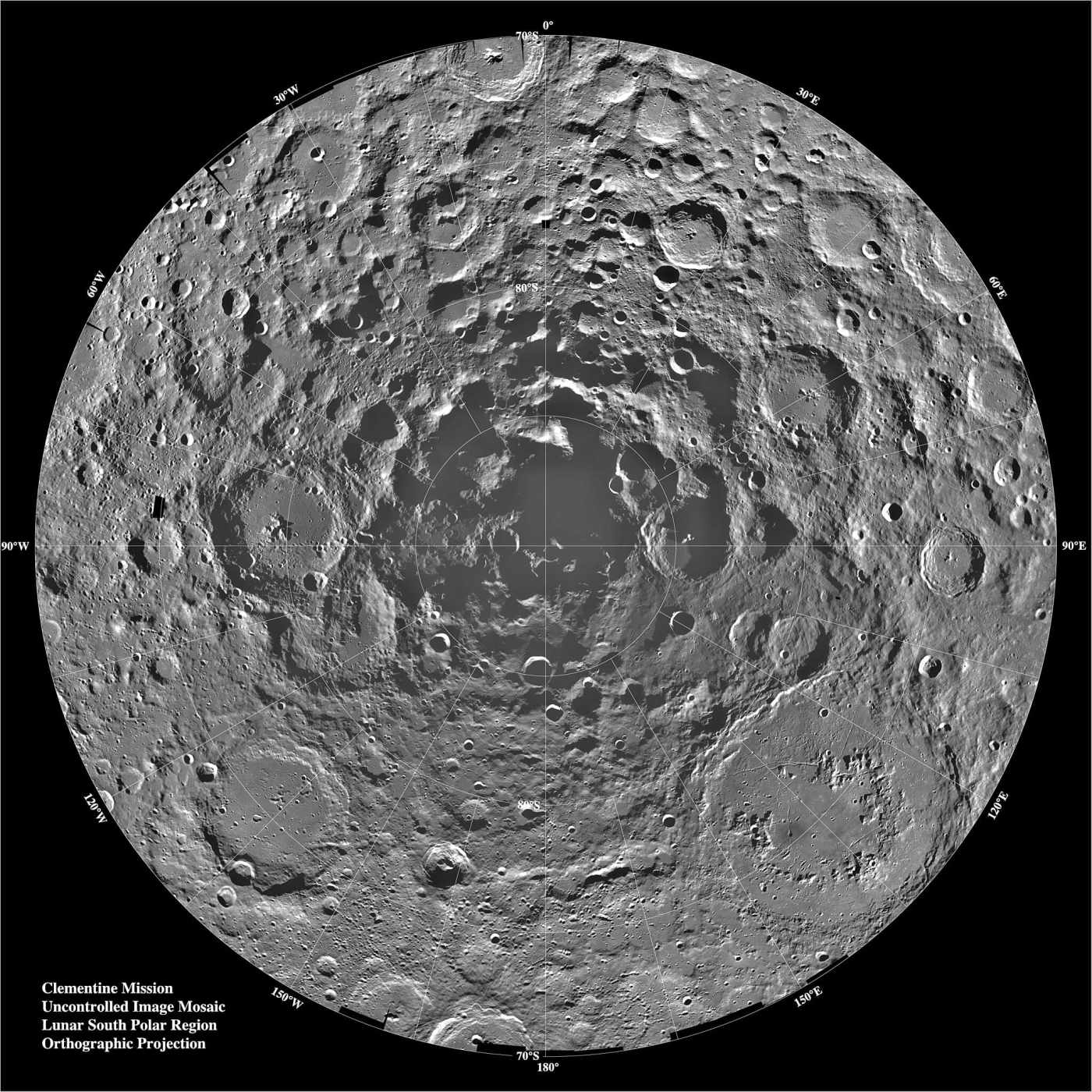
BREAKING: NASA has just awarded the University of Colorado Boulder $24.8 million to develop two cutting-edge space instruments for the upcoming Artemis IV mission to the moon, scheduled for 2028. These instruments are poised to enhance our understanding of the moon’s environment and are crucial for future space exploration efforts.
The selected instruments, designed by researchers at the Laboratory for Atmospheric and Space Physics, will be deployed on a small rover named the DUst and plaSma environmenT survEyoR, or DUSTER. This innovative project aims to investigate the moon’s plasma environment and tackle the challenges posed by its abrasive dust, which can adhere to surfaces and potentially impact astronaut safety.
According to NASA, the DUSTER investigation is essential for developing strategies to protect human health during lunar missions. “We need to develop a complete picture of the dust and plasma environment at the lunar south pole and how it varies over time and location to ensure astronaut safety and the operation of exploration equipment,” stated Xu Wang, senior researcher at LASP and principal investigator of DUSTER.
DUSTER comprises two main instruments: the Electrostatic Dust Analyzer, which will gather data on dust particles ejected from the moon’s surface, and the RElaxation SOunder and differentiaL VoltagE instrument, which will measure the average electron density above the lunar surface. This critical data will inform how astronauts can navigate and operate in the moon’s challenging environment.
NASA’s Artemis missions are not just about exploration; they are paving the way for sustainable human presence on the moon and ultimately preparing for future human missions to Mars. The Artemis IV mission is set to debut humanity’s first lunar space station, marking a significant milestone in space exploration.
As the world eagerly anticipates the developments from this mission, the implications for human spaceflight are profound. The findings from DUSTER will not only advance our scientific knowledge but also ensure the safety of astronauts as we push the boundaries of exploration beyond Earth.
Stay tuned for more updates as NASA and CU Boulder embark on this groundbreaking journey to the moon!

Cosmic Mystery Deepens: Where Are the Universe’s Defects?

Lady Bulldogs Shine in Postseason Awards Following Final Four Run

CALV Hosts Essential Class for Local Real Estate Professionals

Urgent Alert: “Spaving” Surges as Shoppers Overspend Online

Jefferies Initiates Coverage on Insmed with “Buy” Rating

Three Dog Night to Perform with Ambrosia at Mayo Civic Center

Urgent Announcement: Charles M. Payment Passes Away at 78

Houston Education Foundation Donates $4,592 for Student Programs

Beeks Financial Cloud Shares Drop 7% Amid Increased Trading Volume

Foreign Inflows into Japan Stocks Surge to ¥1.34 Trillion

University of Hawaiʻi Joins $25.6M AI Project to Monitor Disasters

Sydney Sweeney Embraces Body Positivity Amid Hollywood Challenges

Hudson Williams Gains Popularity as Breakout Star on Heated Rivalry

Urgent Farewell: Joleen Chaney Leaves Legacy at KFOR

Boeing’s Merger with McDonnell Douglas: A Strategic Move Explained

$1.25M Grant Advances Hawaiʻi’s Real-Time Hazard Monitoring

Derrick Dove and ABAC Band Set for Free Americana Concert

BOYNEXTDOOR’s Jaehyun Faces Backlash Amid BTS-TWICE Controversy
-
Business9 months ago
Foreign Inflows into Japan Stocks Surge to ¥1.34 Trillion
-
Science8 months ago
University of Hawaiʻi Joins $25.6M AI Project to Monitor Disasters
-
 Entertainment9 months ago
Sydney Sweeney Embraces Body Positivity Amid Hollywood Challenges
-
 Entertainment7 months ago
Hudson Williams Gains Popularity as Breakout Star on Heated Rivalry
-
 Top Stories8 months ago
Urgent Farewell: Joleen Chaney Leaves Legacy at KFOR
-
 World9 months ago
Boeing’s Merger with McDonnell Douglas: A Strategic Move Explained
-
 Science7 months ago
$1.25M Grant Advances Hawaiʻi’s Real-Time Hazard Monitoring
-
 Entertainment8 months ago
Derrick Dove and ABAC Band Set for Free Americana Concert
-
 Top Stories9 months ago
BOYNEXTDOOR’s Jaehyun Faces Backlash Amid BTS-TWICE Controversy
-

 Health6 months ago
Bodybuilder Eugene Teo Transitions to Mindful Movement for Health
-

 World6 months ago
San Francisco Airport to Host 16 Nonstop Airlines to Europe in 2026
-

 Top Stories7 months ago
National Coast Guard Museum Set to Open in 2027 After Funding Secured