
Top Stories
Iran’s Ongoing Nuclear Ambitions: A Closer Look

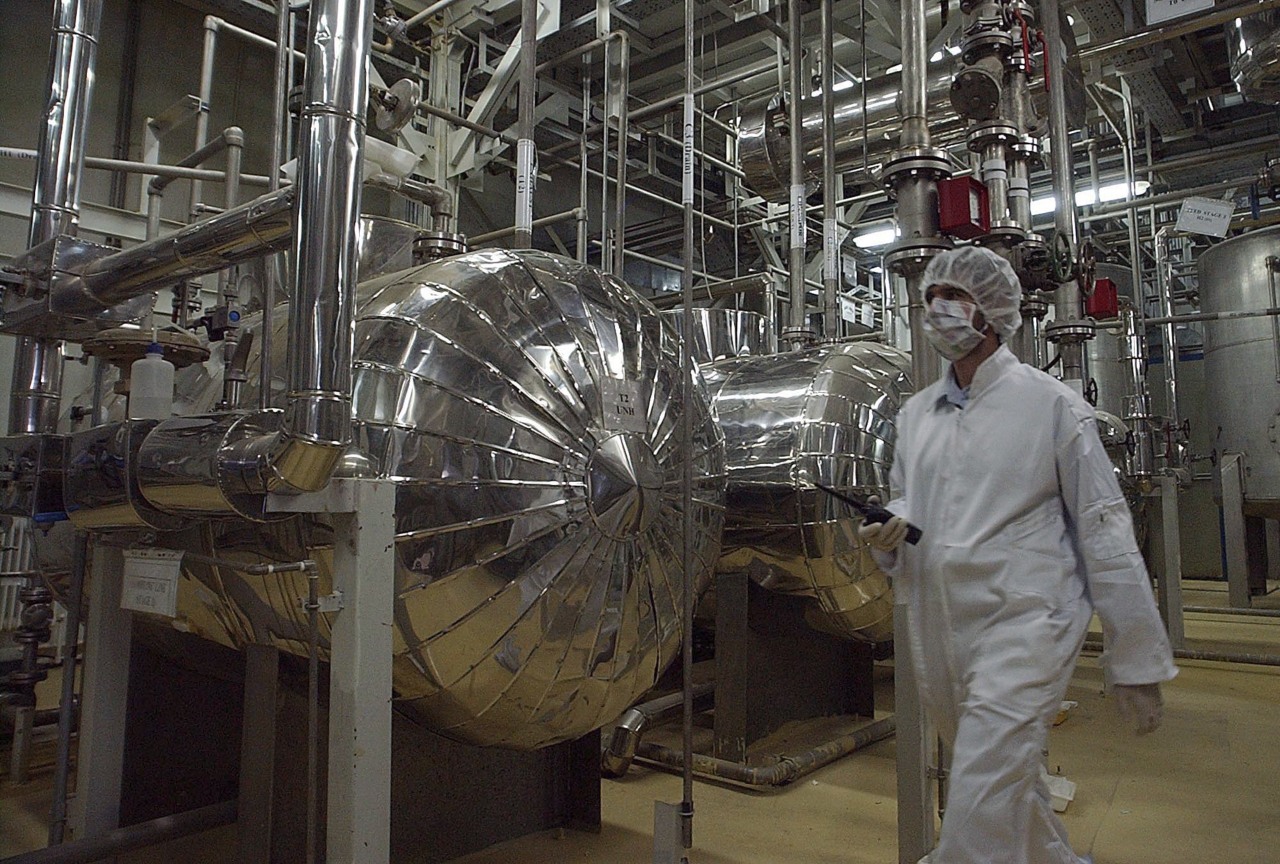
The pursuit of nuclear capabilities by Iran continues to be a contentious issue on the global stage. Despite the implementation of the Joint Comprehensive Plan of Action (JCPOA) in 2015, which was spearheaded by former U.S. President Barack Obama, concerns persist regarding Iran’s intentions and activities related to nuclear weapons development.
The JCPOA aimed to curb Iran’s nuclear ambitions in exchange for the lifting of certain economic sanctions. However, since the United States withdrew from the agreement in 2018, Iran has gradually scaled back its compliance with the deal, prompting scrutiny from the international community.
International Concerns Over Nuclear Developments
The International Atomic Energy Agency (IAEA) has reported increasing levels of enriched uranium in Iran, with stockpiles exceeding the limits set by the JCPOA. As of 2023, Iran has enriched uranium up to 60%, a significant leap toward the weapons-grade level of 90%. This escalation has raised alarms among world powers, particularly the United States and European nations, who fear that Iran is advancing its capability to produce nuclear weapons.
In a recent report, the IAEA noted challenges in monitoring Iran’s nuclear sites, citing restricted access and a lack of transparency from Iranian authorities. The Iranian government maintains that its nuclear program is for peaceful purposes, yet the evidence suggests a dual-use potential. As tensions rise, the situation remains precarious, with the potential for military confrontation increasing if diplomatic solutions are not reached.
The Role of Global Diplomacy
The United Nations Security Council (UNSC) has been actively involved in addressing the nuclear threat posed by Iran. Diplomatic efforts continue as world leaders seek to revive the JCPOA or establish a new framework for negotiations. The complexities of the Middle East geopolitical landscape further complicate these efforts, with various regional actors holding differing views on Iran’s nuclear program.
While the Iranian regime insists on its right to pursue nuclear technology, critics argue that its actions undermine regional stability. The ongoing developments have significant implications not only for Iran but also for international security and non-proliferation efforts globally.
In conclusion, while the JCPOA represented a significant step forward in addressing Iran’s nuclear ambitions, the subsequent deterioration of relations and Iran’s non-compliance raise critical questions about the future of nuclear negotiations. The international community continues to monitor the situation closely, aware that the stakes are high for both regional and global security.

Cosmic Mystery Deepens: Where Are the Universe’s Defects?

Lady Bulldogs Shine in Postseason Awards Following Final Four Run

CALV Hosts Essential Class for Local Real Estate Professionals

Urgent Alert: “Spaving” Surges as Shoppers Overspend Online

Jefferies Initiates Coverage on Insmed with “Buy” Rating

Three Dog Night to Perform with Ambrosia at Mayo Civic Center

Urgent Announcement: Charles M. Payment Passes Away at 78

Houston Education Foundation Donates $4,592 for Student Programs

Beeks Financial Cloud Shares Drop 7% Amid Increased Trading Volume

Foreign Inflows into Japan Stocks Surge to ¥1.34 Trillion

University of Hawaiʻi Joins $25.6M AI Project to Monitor Disasters

Sydney Sweeney Embraces Body Positivity Amid Hollywood Challenges

Hudson Williams Gains Popularity as Breakout Star on Heated Rivalry

Urgent Farewell: Joleen Chaney Leaves Legacy at KFOR

Boeing’s Merger with McDonnell Douglas: A Strategic Move Explained

$1.25M Grant Advances Hawaiʻi’s Real-Time Hazard Monitoring

Derrick Dove and ABAC Band Set for Free Americana Concert

BOYNEXTDOOR’s Jaehyun Faces Backlash Amid BTS-TWICE Controversy
-
Business8 months ago
Foreign Inflows into Japan Stocks Surge to ¥1.34 Trillion
-
Science8 months ago
University of Hawaiʻi Joins $25.6M AI Project to Monitor Disasters
-
 Entertainment8 months ago
Sydney Sweeney Embraces Body Positivity Amid Hollywood Challenges
-
 Entertainment7 months ago
Hudson Williams Gains Popularity as Breakout Star on Heated Rivalry
-
 Top Stories8 months ago
Urgent Farewell: Joleen Chaney Leaves Legacy at KFOR
-
 World8 months ago
Boeing’s Merger with McDonnell Douglas: A Strategic Move Explained
-
 Science7 months ago
$1.25M Grant Advances Hawaiʻi’s Real-Time Hazard Monitoring
-
 Entertainment8 months ago
Derrick Dove and ABAC Band Set for Free Americana Concert
-
 Top Stories8 months ago
BOYNEXTDOOR’s Jaehyun Faces Backlash Amid BTS-TWICE Controversy
-

 Health5 months ago
Bodybuilder Eugene Teo Transitions to Mindful Movement for Health
-

 Top Stories6 months ago
National Coast Guard Museum Set to Open in 2027 After Funding Secured
-

 Health6 months ago
Hartford’s Abandoned Tower Faces Growing Safety Concerns