
Sports
Controversy Erupts Over Engine Rules as F1 Prepares for 2026 Season

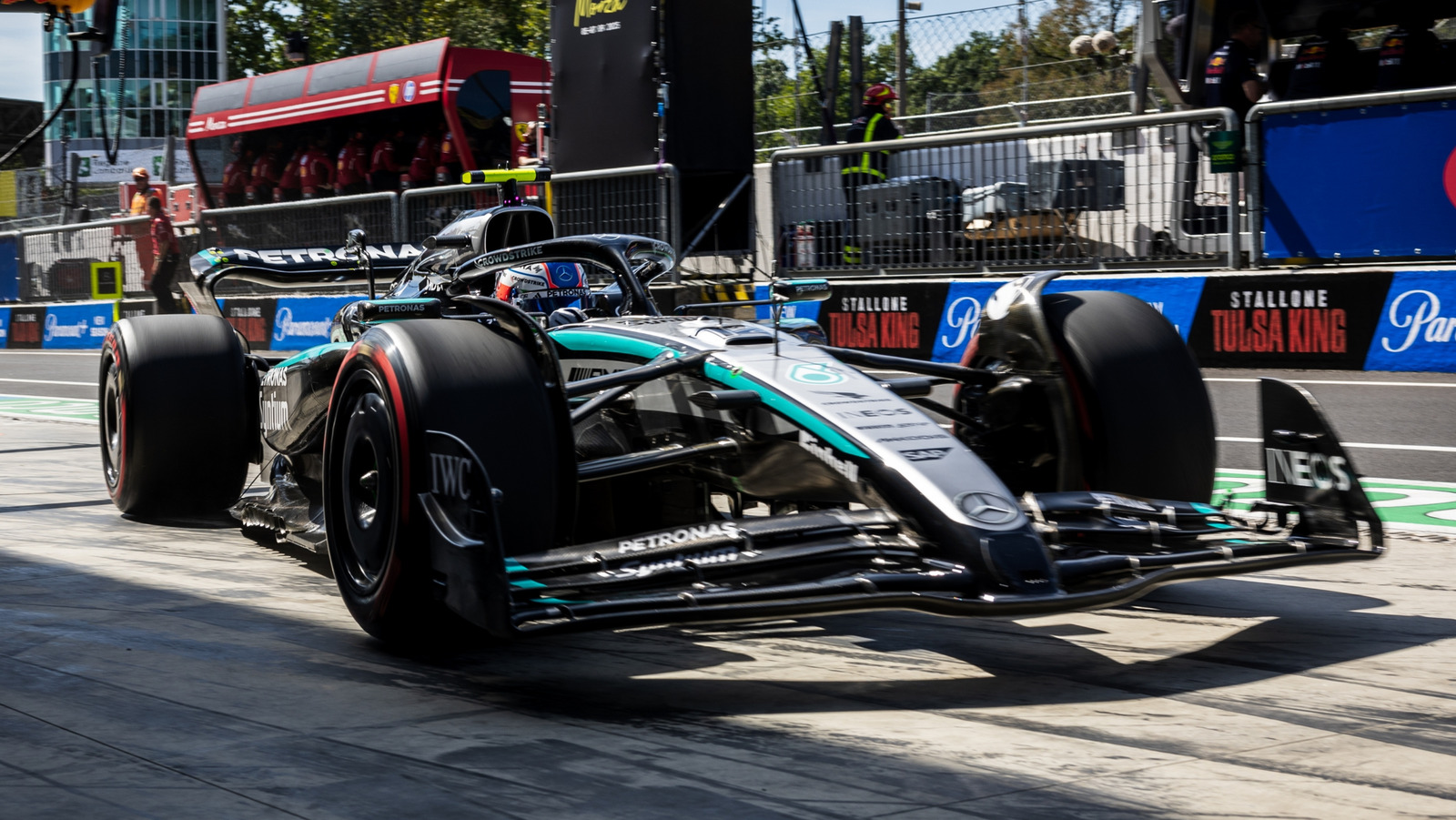
As the anticipation builds for the upcoming Formula 1 season, controversy has emerged surrounding engine regulations ahead of the 2026 season. Allegations have surfaced that the Mercedes and Red Bull teams may have found ways to bypass new engine compression ratio rules, potentially impacting the competitive landscape significantly.
The changes in the rulebook for the 2026 season include major modifications to car underbodies and active aerodynamics, alongside crucial updates to engine specifications. As part of the new regulations, the compression ratio is set to decrease from 18:0:1 to 16.0:1. This adjustment aims to lower engine costs and facilitate the entry of new manufacturers into the sport. However, concerns have arisen from rival teams, primarily Ferrari, Audi, and Honda, who claim that Mercedes and Red Bull are exploiting the rules through innovative engineering.
Allegations suggest that both teams are utilizing materials that enhance compression ratios when engine temperatures rise, gaining a power advantage during races. While the engines may pass static temperature checks, they reportedly achieve higher compression and performance once operational, violating the spirit of the regulations. Such technical nuances highlight the grey areas within the Formula 1 rulebook, which teams have historically navigated to optimize their performance.
The concept of variable compression engines is not new; automotive manufacturer Nissan has implemented similar technology in its road vehicles. Yet, the application in racing engines aims to remain undetected, leveraging physical properties to comply with regulations during inspections. Even modest increases in power can dramatically affect performance in Formula 1, where fractions of a second can determine race outcomes.
The FIA, the governing body of Formula 1, is aware of these accusations but has yet to take decisive action. Currently, the FIA maintains that the regulations and testing protocols are clearly defined, and there are no immediate plans to adjust testing methods to account for elevated engine temperatures. Despite the clear stipulations that cars must adhere to regulations throughout race weekends, teams continue to express concerns over the potential advantages held by their competitors.
As the start of the 2026 F1 season approaches, the implications of these alleged compression ratio discrepancies remain uncertain. If the Mercedes and Red Bull teams indeed possess a significant power advantage, the FIA may face increased pressure to respond. Otherwise, rival teams may need to wait until 2027 to redesign their engines to regain parity.
The landscape of Formula 1 has continually evolved over its more than 70-year history, and the ongoing discussions surrounding the rulebook’s grey areas exemplify the competitive nature of motorsport. Although the 2026 season is still some time away, it is clear that the new regulations have the potential to redefine the competitive hierarchy within the sport. As the situation develops, all eyes will be on the teams and the FIA, eagerly awaiting the impact of these engine controversies on the track.

Cosmic Mystery Deepens: Where Are the Universe’s Defects?

Lady Bulldogs Shine in Postseason Awards Following Final Four Run

CALV Hosts Essential Class for Local Real Estate Professionals

Urgent Alert: “Spaving” Surges as Shoppers Overspend Online

Jefferies Initiates Coverage on Insmed with “Buy” Rating

Three Dog Night to Perform with Ambrosia at Mayo Civic Center

Urgent Announcement: Charles M. Payment Passes Away at 78

Houston Education Foundation Donates $4,592 for Student Programs

Beeks Financial Cloud Shares Drop 7% Amid Increased Trading Volume

Foreign Inflows into Japan Stocks Surge to ¥1.34 Trillion

University of Hawaiʻi Joins $25.6M AI Project to Monitor Disasters

Sydney Sweeney Embraces Body Positivity Amid Hollywood Challenges

Hudson Williams Gains Popularity as Breakout Star on Heated Rivalry

Urgent Farewell: Joleen Chaney Leaves Legacy at KFOR

Boeing’s Merger with McDonnell Douglas: A Strategic Move Explained

$1.25M Grant Advances Hawaiʻi’s Real-Time Hazard Monitoring

Derrick Dove and ABAC Band Set for Free Americana Concert

BOYNEXTDOOR’s Jaehyun Faces Backlash Amid BTS-TWICE Controversy
-
Business9 months ago
Foreign Inflows into Japan Stocks Surge to ¥1.34 Trillion
-
Science8 months ago
University of Hawaiʻi Joins $25.6M AI Project to Monitor Disasters
-
 Entertainment9 months ago
Sydney Sweeney Embraces Body Positivity Amid Hollywood Challenges
-
 Entertainment7 months ago
Hudson Williams Gains Popularity as Breakout Star on Heated Rivalry
-
 Top Stories8 months ago
Urgent Farewell: Joleen Chaney Leaves Legacy at KFOR
-
 World9 months ago
Boeing’s Merger with McDonnell Douglas: A Strategic Move Explained
-
 Science7 months ago
$1.25M Grant Advances Hawaiʻi’s Real-Time Hazard Monitoring
-
 Entertainment8 months ago
Derrick Dove and ABAC Band Set for Free Americana Concert
-
 Top Stories9 months ago
BOYNEXTDOOR’s Jaehyun Faces Backlash Amid BTS-TWICE Controversy
-

 Health6 months ago
Bodybuilder Eugene Teo Transitions to Mindful Movement for Health
-

 World6 months ago
San Francisco Airport to Host 16 Nonstop Airlines to Europe in 2026
-

 Top Stories7 months ago
National Coast Guard Museum Set to Open in 2027 After Funding Secured