
Sports
College Football Coaches Demand Centralized Authority to Restore Order

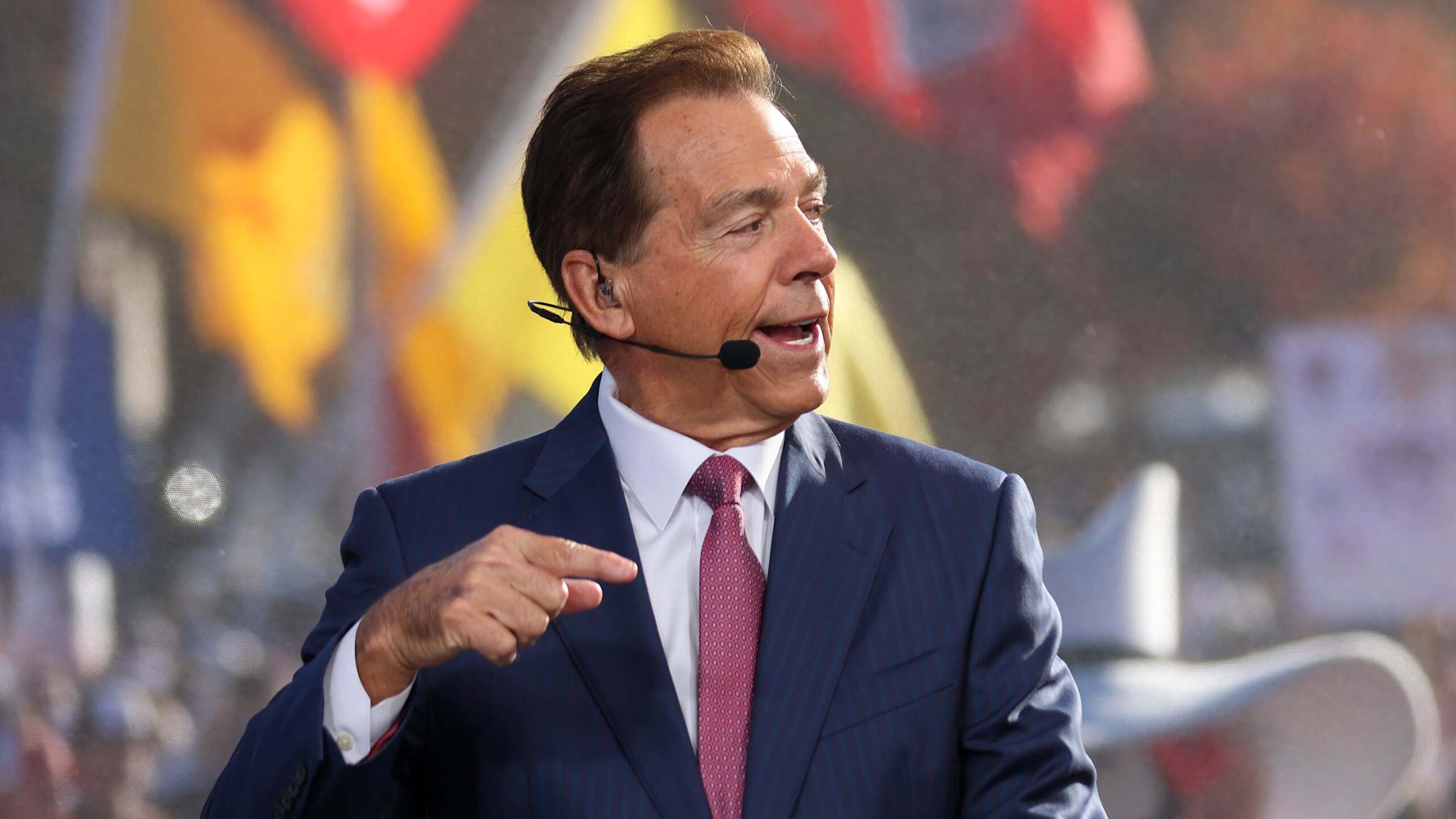
The landscape of college football is undergoing significant scrutiny as the need for a centralized authority has become increasingly urgent. Recent events, particularly the abrupt departure of coach Lane Kiffin from Ole Miss to LSU, have highlighted the chaotic state of the sport, especially as the regular season ends and the transfer portal opens. This situation exemplifies a larger systemic issue, one that coaches believe requires immediate intervention to ensure fair play and stability.
As college football operates like a high-stakes marketplace, it lacks the regulatory framework necessary for sustainable growth. The recent exodus of coaches during critical playoff runs and the pressure on players to make swift transfer decisions underscore the deficiencies in the current system. Coaches across the Power Four conferences are voicing their frustrations, arguing for the appointment of a commissioner who can enforce rules and provide consistent oversight.
Calls for a Centralized Commissioner
The demand for a centralized authority has shifted from a theoretical discussion to a pressing necessity. Coaches are advocating for a figure who can prioritize the sport’s integrity over individual institutional interests. James Franklin, the head coach of the Virginia Tech Hokies and former Penn State head coach, articulated this need succinctly in December 2024. He emphasized the importance of having a commissioner who makes decisions solely in the best interest of college football, free from the influences of television networks and specific university presidents.
The call for change is echoed by Mike Gundy, former head coach at Oklahoma State, who expressed urgency in addressing the structural issues facing the sport. “We need a commissioner,” Gundy stated. “And we need to get it and get it as fast as we can before we start to lose it and try to get it back.” The consensus among coaches is clear: the role requires an individual with the authority to navigate the complexities of college football, balancing the needs of coaches, athletic directors, and broadcast partners.
Nick Saban’s Insight on the Sport’s Future
Amid these discussions, Nick Saban, a prominent figure in college football, has emerged as a vocal advocate for change. Now an analyst on College GameDay, Saban has used his platform to address the fundamental issues plaguing the sport. He argues that the current popularity of the College Football Playoff is masking the pressing need for a comprehensive set of rules governing the game.
“There is no question about the fact that I think we need to have a commissioner who is over all the conferences, as well as a competition committee who defines the rules of how we’re going to play the game,” Saban stated, reflecting a widespread sentiment among coaches. His critique highlights the current “employer-employee” dynamic, which has created instability in roster management and recruitment processes.
Saban longs for a return to structured agreements that protect both athletes and institutions. He noted that previous contracts defined academic responsibilities and transfer obligations, which have since been neglected. “We don’t have that now,” he explained, warning that without such agreements, the sport risks descending into chaos, affecting both coaches and players.
Saban’s observations underscore a critical point: while the excitement surrounding the playoffs captivates audiences, it also distracts from deeper, underlying problems that threaten the competitive balance of the sport. He advocates for a national commissioner and governing body to restore stability and ensure the long-term health of college football.
As the sport navigates this tumultuous period, the calls for a centralized authority grow louder. Coaches and stakeholders are uniting in their demand for leadership that prioritizes the sport’s integrity, aiming to establish a fair and consistent framework for the future of college football. With the potential for significant changes on the horizon, the next steps taken could define the landscape of the game for years to come.

Cosmic Mystery Deepens: Where Are the Universe’s Defects?

Lady Bulldogs Shine in Postseason Awards Following Final Four Run

CALV Hosts Essential Class for Local Real Estate Professionals

Urgent Alert: “Spaving” Surges as Shoppers Overspend Online

Jefferies Initiates Coverage on Insmed with “Buy” Rating

Three Dog Night to Perform with Ambrosia at Mayo Civic Center

Urgent Announcement: Charles M. Payment Passes Away at 78

Houston Education Foundation Donates $4,592 for Student Programs

Beeks Financial Cloud Shares Drop 7% Amid Increased Trading Volume

Foreign Inflows into Japan Stocks Surge to ¥1.34 Trillion

University of Hawaiʻi Joins $25.6M AI Project to Monitor Disasters

Sydney Sweeney Embraces Body Positivity Amid Hollywood Challenges

Hudson Williams Gains Popularity as Breakout Star on Heated Rivalry

Urgent Farewell: Joleen Chaney Leaves Legacy at KFOR

Boeing’s Merger with McDonnell Douglas: A Strategic Move Explained

$1.25M Grant Advances Hawaiʻi’s Real-Time Hazard Monitoring

Derrick Dove and ABAC Band Set for Free Americana Concert

BOYNEXTDOOR’s Jaehyun Faces Backlash Amid BTS-TWICE Controversy
-
Business9 months ago
Foreign Inflows into Japan Stocks Surge to ¥1.34 Trillion
-
Science8 months ago
University of Hawaiʻi Joins $25.6M AI Project to Monitor Disasters
-
 Entertainment9 months ago
Sydney Sweeney Embraces Body Positivity Amid Hollywood Challenges
-
 Entertainment7 months ago
Hudson Williams Gains Popularity as Breakout Star on Heated Rivalry
-
 Top Stories8 months ago
Urgent Farewell: Joleen Chaney Leaves Legacy at KFOR
-
 World9 months ago
Boeing’s Merger with McDonnell Douglas: A Strategic Move Explained
-
 Science7 months ago
$1.25M Grant Advances Hawaiʻi’s Real-Time Hazard Monitoring
-
 Entertainment8 months ago
Derrick Dove and ABAC Band Set for Free Americana Concert
-
 Top Stories9 months ago
BOYNEXTDOOR’s Jaehyun Faces Backlash Amid BTS-TWICE Controversy
-

 Health6 months ago
Bodybuilder Eugene Teo Transitions to Mindful Movement for Health
-

 World6 months ago
San Francisco Airport to Host 16 Nonstop Airlines to Europe in 2026
-

 Top Stories7 months ago
National Coast Guard Museum Set to Open in 2027 After Funding Secured