
Science
UK Ban on Gender Transition Treatment Fuels Black Market Surge

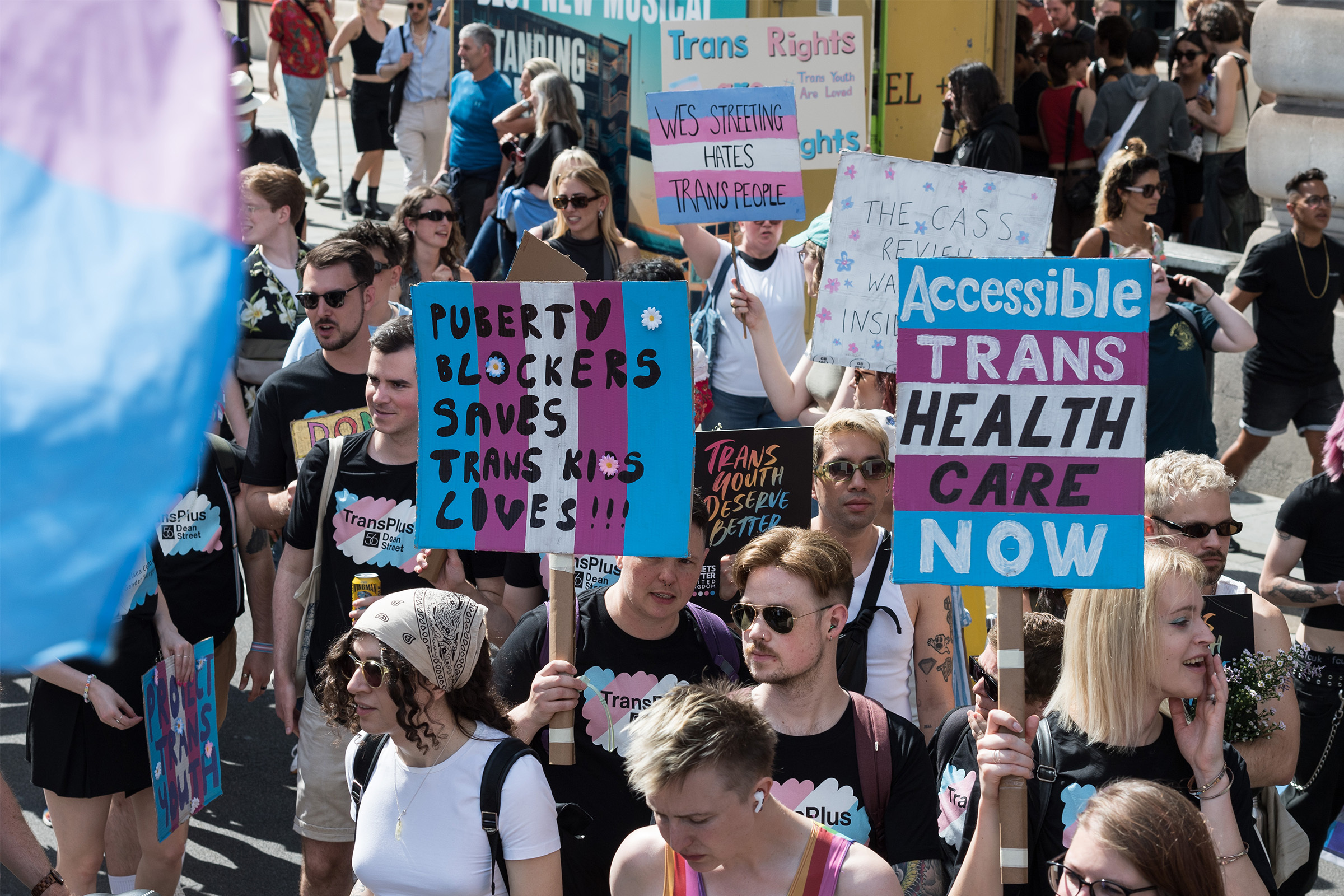
The closure of the Tavistock Clinic, the United Kingdom’s only dedicated gender identity clinic for young people, has led to a significant rise in underground access to gender-affirming treatments. Following the clinic’s shutdown in 2022 at the request of the NHS, many transgender youths have turned to unsafe and unregulated sources for hormonal medications necessary for hormone replacement therapy, as reported by The Times.
The NHS cited safety concerns associated with the treatments provided at Tavistock as the rationale behind the closure. However, the decision has inadvertently driven young people to seek alternatives from potentially hazardous sources. According to The Times, adolescents are increasingly resorting to a burgeoning black market for gender-affirming care, which poses serious risks to their health and safety.
Surge in Self-Medicating Among Transgender Youth
Data reveals alarming trends among transgender adolescents in the UK. One of the hospitals that took over Tavistock’s responsibilities reported that approximately 12 percent of transgender teens admitted to self-medicating with unofficial hormones. Experts believe this figure is likely an underrepresentation of the actual number.
Clinical psychologist Anna Hutchinson has observed a troubling increase in the number of adolescents aged 15 to 17 who are bypassing medical supervision entirely. In her practice, she estimates that around 40 percent of trans-identifying youth are self-medicating, often without parental consent or any medical oversight. Some young people have disclosed obtaining hormones from illegal websites selling anabolic steroids, while others acquire them from drug dealers who also supply illicit recreational substances.
The closure of a public healthcare option for gender-affirming care has effectively forced those seeking treatment into two extremes: either the costly private market or the ultra-low-cost black market. This situation has raised concerns among healthcare professionals about the potential consequences of unregulated use of hormones and puberty blockers.
Legal Context and Broader Implications
The recent developments in the UK coincide with broader legal changes regarding gender identity. In April 2023, the UK Supreme Court unanimously ruled that “sex,” as defined in the Equality Act of 2010, refers solely to “biological sex.” Human Rights Watch has warned that this ruling could pave the way for increased discrimination and segregation against transgender individuals.
Efforts by the NHS to protect young people from perceived medical risks associated with hormone treatments have unintentionally created a more hazardous environment. The current landscape trades supervised healthcare for illicit transactions, which could ultimately compromise the well-being of the very youth it is intended to safeguard.
Transgender rights advocates argue that the shift in policy reflects a troubling trend toward restricting access to essential healthcare services. The irony lies in the fact that prohibitive measures, rather than providing protection, may lead to more significant risks for vulnerable populations.
As discussions around gender identity and healthcare continue, the impact of such policies on the lives of young people remains critical. The challenge lies in finding a balance that ensures access to safe, regulated care while addressing legitimate concerns surrounding the treatments involved.

Cosmic Mystery Deepens: Where Are the Universe’s Defects?

Lady Bulldogs Shine in Postseason Awards Following Final Four Run

CALV Hosts Essential Class for Local Real Estate Professionals

Urgent Alert: “Spaving” Surges as Shoppers Overspend Online

Jefferies Initiates Coverage on Insmed with “Buy” Rating

Three Dog Night to Perform with Ambrosia at Mayo Civic Center

Urgent Announcement: Charles M. Payment Passes Away at 78

Houston Education Foundation Donates $4,592 for Student Programs

Beeks Financial Cloud Shares Drop 7% Amid Increased Trading Volume

Foreign Inflows into Japan Stocks Surge to ¥1.34 Trillion

University of Hawaiʻi Joins $25.6M AI Project to Monitor Disasters

Sydney Sweeney Embraces Body Positivity Amid Hollywood Challenges

Hudson Williams Gains Popularity as Breakout Star on Heated Rivalry

Urgent Farewell: Joleen Chaney Leaves Legacy at KFOR

Boeing’s Merger with McDonnell Douglas: A Strategic Move Explained

$1.25M Grant Advances Hawaiʻi’s Real-Time Hazard Monitoring

Derrick Dove and ABAC Band Set for Free Americana Concert

BOYNEXTDOOR’s Jaehyun Faces Backlash Amid BTS-TWICE Controversy
-
Business9 months ago
Foreign Inflows into Japan Stocks Surge to ¥1.34 Trillion
-
Science9 months ago
University of Hawaiʻi Joins $25.6M AI Project to Monitor Disasters
-
 Entertainment9 months ago
Sydney Sweeney Embraces Body Positivity Amid Hollywood Challenges
-
 Entertainment8 months ago
Hudson Williams Gains Popularity as Breakout Star on Heated Rivalry
-
 Top Stories9 months ago
Urgent Farewell: Joleen Chaney Leaves Legacy at KFOR
-
 World9 months ago
Boeing’s Merger with McDonnell Douglas: A Strategic Move Explained
-
 Science8 months ago
$1.25M Grant Advances Hawaiʻi’s Real-Time Hazard Monitoring
-
 Entertainment8 months ago
Derrick Dove and ABAC Band Set for Free Americana Concert
-
 Top Stories9 months ago
BOYNEXTDOOR’s Jaehyun Faces Backlash Amid BTS-TWICE Controversy
-

 Health6 months ago
Bodybuilder Eugene Teo Transitions to Mindful Movement for Health
-

 World6 months ago
San Francisco Airport to Host 16 Nonstop Airlines to Europe in 2026
-

 Top Stories7 months ago
National Coast Guard Museum Set to Open in 2027 After Funding Secured