
Science
Scientists Recover Possible DNA of Leonardo da Vinci from Artwork

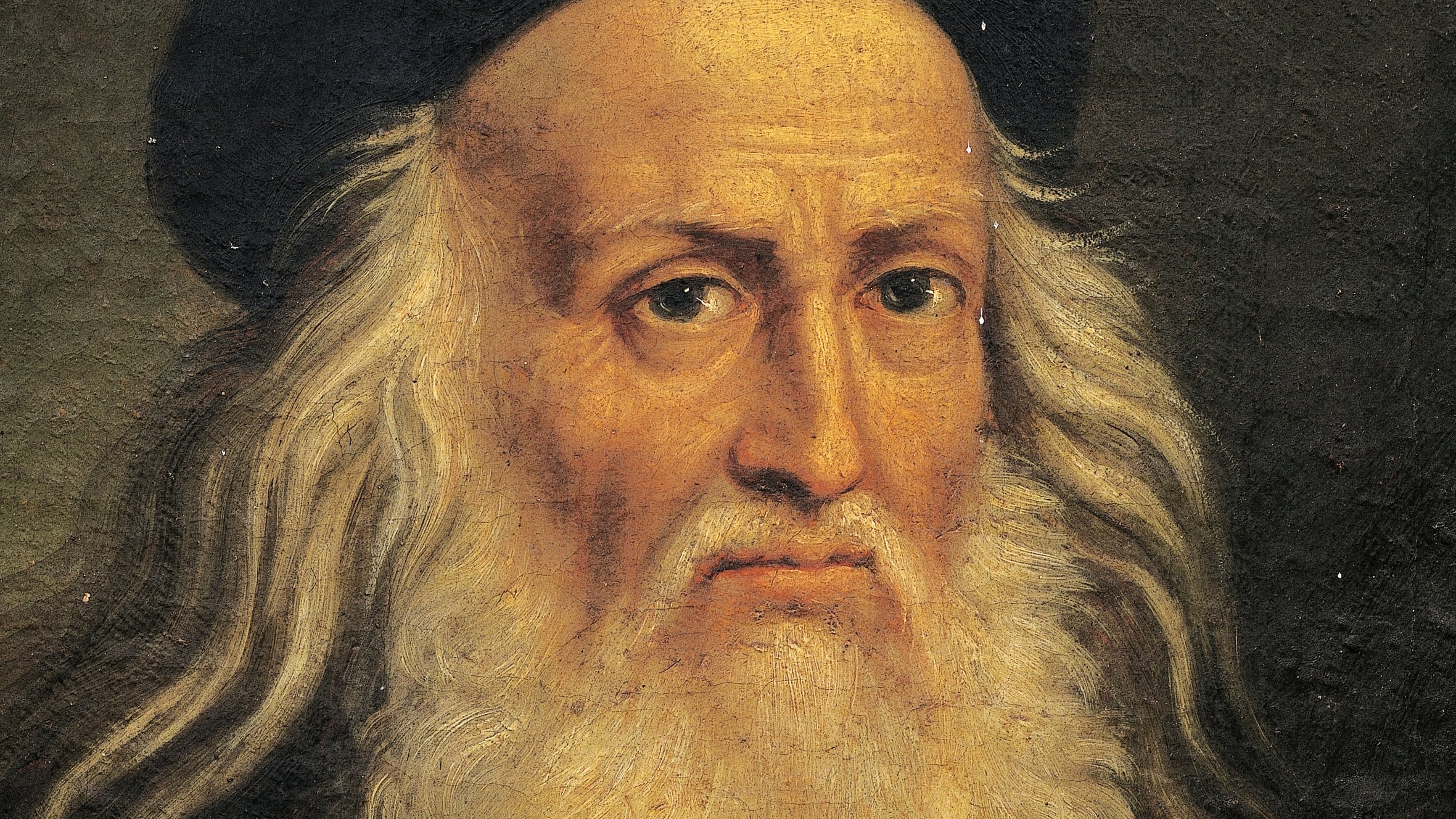
Scientists may have made a groundbreaking discovery by recovering what could be the DNA of the legendary artist, engineer, and scientist Leonardo da Vinci. In 2024, samples were collected from a red chalk sketch titled Holy Child, which resides in a private collection in New York. The artwork is believed to have been created by da Vinci during the High Renaissance, although its authorship remains a topic of debate among experts.
The research, conducted by the Leonardo da Vinci DNA Project, indicates that DNA samples extracted from the drawing could potentially be linked to da Vinci, who lived approximately 500 years ago. Dr. Noberto Gonzalez-Juarbe, a biologist at the University of Maryland and co-author of the study, explained the process of DNA recovery. He noted, “Paper is porous. It absorbs sweat, skin, bacteria, DNA. All of it stays there.”
Analysis and Findings
The DNA samples were meticulously analyzed by a team at the Jackson Laboratory for Genomic Medicine. Initial findings reveal that the Y chromosome sequences from the sketch align with those found in a letter written by a cousin of Leonardo. This genetic grouping indicates a shared ancestry originating in Tuscany, the region where da Vinci was born.
While the results are intriguing, researchers highlight that this does not serve as definitive proof of da Vinci’s authorship. Charles Lee, a member of the research team, emphasized the challenges involved in establishing a clear identity. He stated, “Establishing unequivocal identity… is extremely complex.” This caveat underlines the need for further investigation into the DNA data before drawing any conclusions regarding its historical significance.
The Implications of the Discovery
The potential identification of da Vinci’s DNA raises fascinating questions about the legacy of one of history’s most celebrated figures. If confirmed, the findings could offer new insights into da Vinci’s life and creative process, as well as the art world’s understanding of provenance and authenticity.
As the scientific community continues to explore the connections between genetic data and historical artifacts, the implications of this research may extend beyond the realm of art. It invites a broader discussion about the intersection of science, history, and the arts, and the methods we use to authenticate the works of great masters.
As the study progresses, the findings will likely ignite further interest in both da Vinci’s work and the technologies used to study historical artifacts. The ongoing efforts by scientists to unveil the truths behind such iconic figures stand as a testament to the enduring fascination with the Renaissance era and its profound impact on culture and knowledge.

Cosmic Mystery Deepens: Where Are the Universe’s Defects?

Lady Bulldogs Shine in Postseason Awards Following Final Four Run

CALV Hosts Essential Class for Local Real Estate Professionals

Urgent Alert: “Spaving” Surges as Shoppers Overspend Online

Jefferies Initiates Coverage on Insmed with “Buy” Rating

Three Dog Night to Perform with Ambrosia at Mayo Civic Center

Urgent Announcement: Charles M. Payment Passes Away at 78

Houston Education Foundation Donates $4,592 for Student Programs

Beeks Financial Cloud Shares Drop 7% Amid Increased Trading Volume

Foreign Inflows into Japan Stocks Surge to ¥1.34 Trillion

University of Hawaiʻi Joins $25.6M AI Project to Monitor Disasters

Sydney Sweeney Embraces Body Positivity Amid Hollywood Challenges

Hudson Williams Gains Popularity as Breakout Star on Heated Rivalry

Urgent Farewell: Joleen Chaney Leaves Legacy at KFOR

Boeing’s Merger with McDonnell Douglas: A Strategic Move Explained

$1.25M Grant Advances Hawaiʻi’s Real-Time Hazard Monitoring

Derrick Dove and ABAC Band Set for Free Americana Concert

BOYNEXTDOOR’s Jaehyun Faces Backlash Amid BTS-TWICE Controversy
-
Business9 months ago
Foreign Inflows into Japan Stocks Surge to ¥1.34 Trillion
-
Science9 months ago
University of Hawaiʻi Joins $25.6M AI Project to Monitor Disasters
-
 Entertainment9 months ago
Sydney Sweeney Embraces Body Positivity Amid Hollywood Challenges
-
 Entertainment7 months ago
Hudson Williams Gains Popularity as Breakout Star on Heated Rivalry
-
 Top Stories8 months ago
Urgent Farewell: Joleen Chaney Leaves Legacy at KFOR
-
 World9 months ago
Boeing’s Merger with McDonnell Douglas: A Strategic Move Explained
-
 Science7 months ago
$1.25M Grant Advances Hawaiʻi’s Real-Time Hazard Monitoring
-
 Entertainment8 months ago
Derrick Dove and ABAC Band Set for Free Americana Concert
-
 Top Stories9 months ago
BOYNEXTDOOR’s Jaehyun Faces Backlash Amid BTS-TWICE Controversy
-

 Health6 months ago
Bodybuilder Eugene Teo Transitions to Mindful Movement for Health
-

 World6 months ago
San Francisco Airport to Host 16 Nonstop Airlines to Europe in 2026
-

 Top Stories7 months ago
National Coast Guard Museum Set to Open in 2027 After Funding Secured