
Science
NASA Unveils Latest Research on Space Life Science Findings

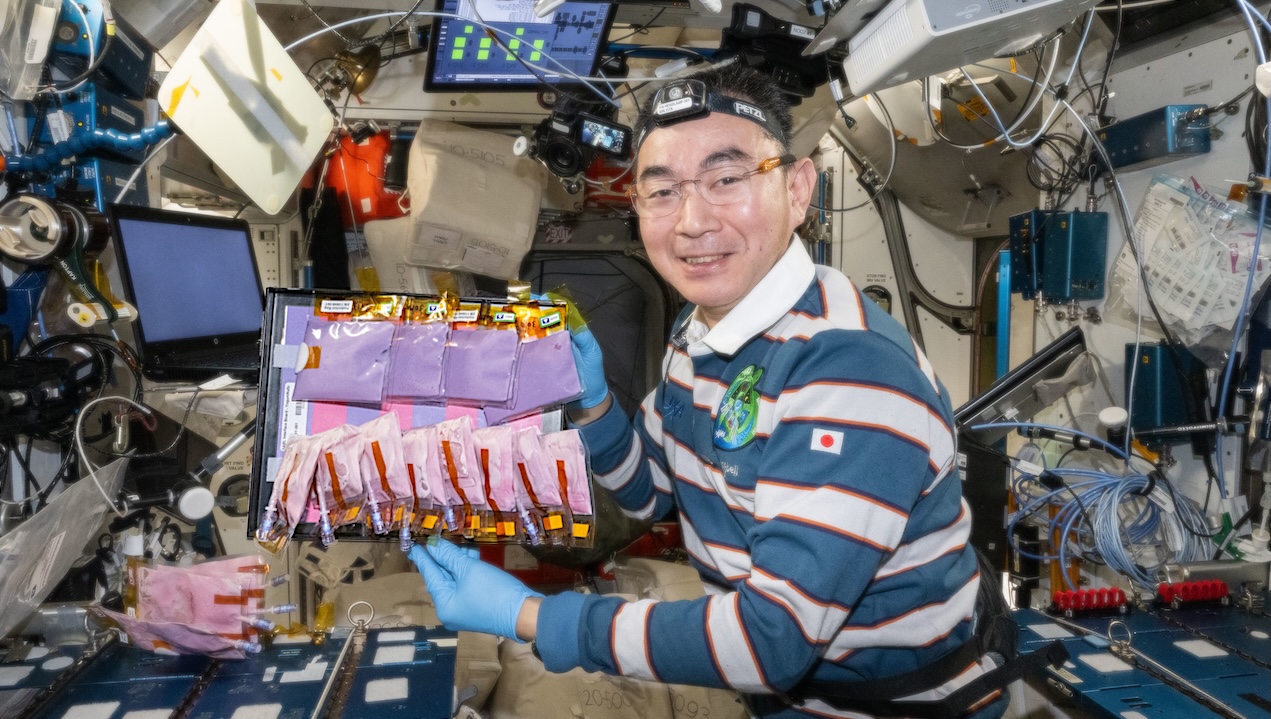
NASA has released its latest findings in the field of space life sciences, detailing significant research results that could advance our understanding of life in space. Published on November 28, 2025, this comprehensive report highlights various aspects of astrobiology, microgravity effects, and space medicine. The research aims to inform ongoing and future missions aboard the International Space Station (ISS) and beyond.
The findings are part of NASA’s efforts to explore how living organisms adapt to the unique challenges of space. This research is crucial as agencies prepare for longer missions, including potential human exploration of Mars. The studies focus on how microgravity influences biological processes, which can impact human health and the viability of life-support systems in space.
Key Areas of Exploration
Among the critical areas explored in this research is the impact of microgravity on human physiology. Scientists are investigating how reduced gravity affects muscle mass, bone density, and overall health. These findings are essential for developing countermeasures to protect astronauts during extended spaceflights.
Additionally, the research delves into the implications of microgravity on microbial life. Understanding how bacteria and other microorganisms behave in space can inform the design of effective life-support systems and enhance sterilization protocols for spacecraft.
The findings are accessible through PubMed, where the abstract is linked for those interested in further details. This open access to scientific results underscores NASA’s commitment to transparency and collaboration within the global scientific community.
Future Implications
The implications of these studies extend beyond immediate space missions. As humanity looks towards exploration beyond Earth, the knowledge gained from this research could pave the way for sustainable living in extraterrestrial environments. By understanding the biological challenges posed by space, scientists can better prepare for the health and safety of astronauts on long-duration missions.
In summary, NASA’s latest report on space life science research marks a significant step forward in understanding how life adapts to the harsh conditions of space. As we advance toward deeper space exploration, the insights gained from these studies will be invaluable in ensuring the health and success of future missions.

Cosmic Mystery Deepens: Where Are the Universe’s Defects?

Lady Bulldogs Shine in Postseason Awards Following Final Four Run

CALV Hosts Essential Class for Local Real Estate Professionals

Urgent Alert: “Spaving” Surges as Shoppers Overspend Online

Jefferies Initiates Coverage on Insmed with “Buy” Rating

Three Dog Night to Perform with Ambrosia at Mayo Civic Center

Urgent Announcement: Charles M. Payment Passes Away at 78

Houston Education Foundation Donates $4,592 for Student Programs

Beeks Financial Cloud Shares Drop 7% Amid Increased Trading Volume

Foreign Inflows into Japan Stocks Surge to ¥1.34 Trillion

University of Hawaiʻi Joins $25.6M AI Project to Monitor Disasters

Sydney Sweeney Embraces Body Positivity Amid Hollywood Challenges

Hudson Williams Gains Popularity as Breakout Star on Heated Rivalry

Urgent Farewell: Joleen Chaney Leaves Legacy at KFOR

Boeing’s Merger with McDonnell Douglas: A Strategic Move Explained

$1.25M Grant Advances Hawaiʻi’s Real-Time Hazard Monitoring

Derrick Dove and ABAC Band Set for Free Americana Concert

BOYNEXTDOOR’s Jaehyun Faces Backlash Amid BTS-TWICE Controversy
-
Business9 months ago
Foreign Inflows into Japan Stocks Surge to ¥1.34 Trillion
-
Science8 months ago
University of Hawaiʻi Joins $25.6M AI Project to Monitor Disasters
-
 Entertainment9 months ago
Sydney Sweeney Embraces Body Positivity Amid Hollywood Challenges
-
 Entertainment7 months ago
Hudson Williams Gains Popularity as Breakout Star on Heated Rivalry
-
 Top Stories8 months ago
Urgent Farewell: Joleen Chaney Leaves Legacy at KFOR
-
 World9 months ago
Boeing’s Merger with McDonnell Douglas: A Strategic Move Explained
-
 Science7 months ago
$1.25M Grant Advances Hawaiʻi’s Real-Time Hazard Monitoring
-
 Entertainment8 months ago
Derrick Dove and ABAC Band Set for Free Americana Concert
-
 Top Stories9 months ago
BOYNEXTDOOR’s Jaehyun Faces Backlash Amid BTS-TWICE Controversy
-

 Health6 months ago
Bodybuilder Eugene Teo Transitions to Mindful Movement for Health
-

 World6 months ago
San Francisco Airport to Host 16 Nonstop Airlines to Europe in 2026
-

 Top Stories7 months ago
National Coast Guard Museum Set to Open in 2027 After Funding Secured