
Science
Conservationists Push for Stricter Controls on Exotic Pet Trade

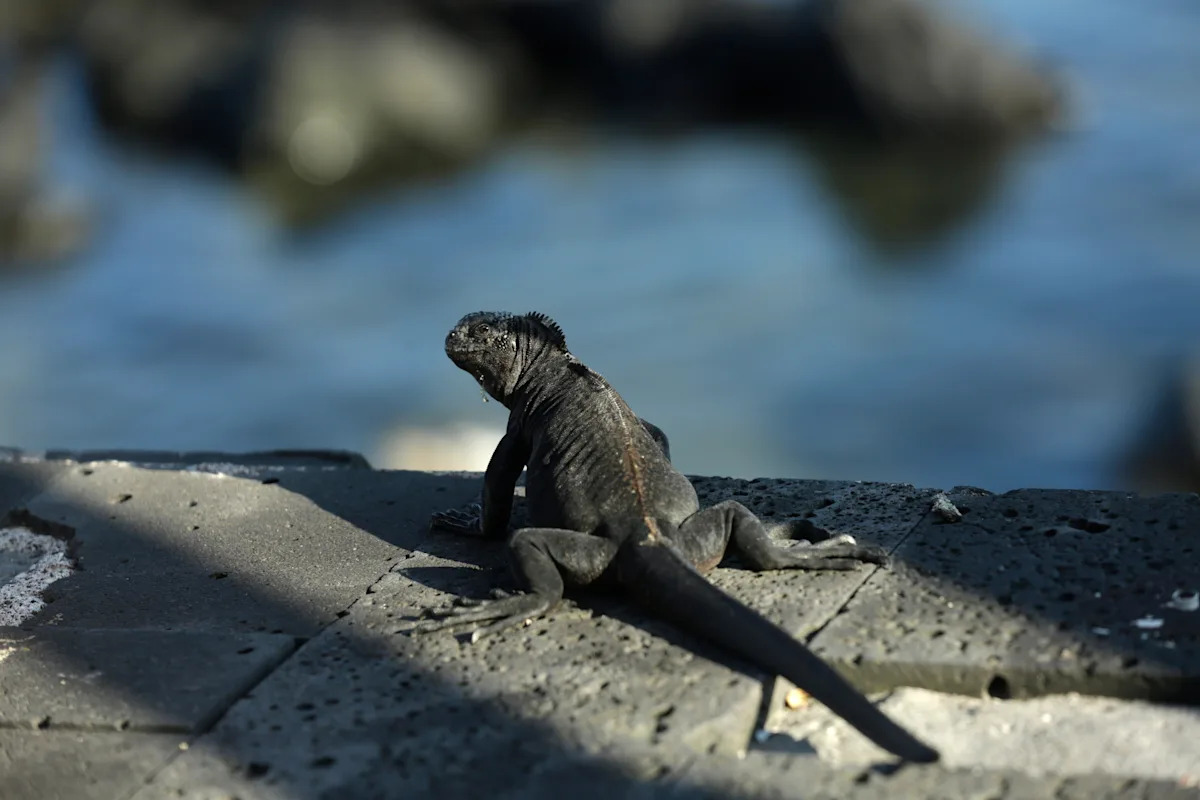
The ongoing Convention on International Trade in Endangered Species of Wild Fauna and Flora (CITES) in Samarkand, Uzbekistan, has prompted significant discussions about the growing exotic pet trade. Conservationists are advocating for stricter regulations to protect various species, including reptiles and birds, which are increasingly becoming available on internet marketplaces. The event, which runs through Friday, has several proposals scheduled for consideration, particularly concerning the trade of species such as iguanas from the Galapagos Islands and certain tarantula species from Latin America.
During the conference, experts like Susan Lieberman, vice president for international policy at the Wildlife Conservation Society, emphasized the shift in the pet trade towards rare species. “People want rare species, and they don’t have to go into a pet shop,” Lieberman stated. “They go online, and there are thousands of animals, including endangered species, illegally obtained species, all available.”
The rise of online marketplaces has made it easier for consumers to connect with wildlife traders, often circumventing traditional regulations. Matt Collis, senior director of international policy at the International Fund for Animal Welfare, noted that “the dramatic growth in online marketplaces has put consumers directly in touch with wildlife traders and criminals around the world.” This unrestricted access raises concerns about the safety of wildlife, as many animals can be purchased with just a click.
A report from IFAW highlights the alarming trends in illegal wildlife trade, particularly in Latin America. Between 2017 and 2022, over 100,000 animals were seized or poached across 18 Spanish-speaking countries, with reptiles making up around 60% of the live pet trade. The report indicates that a significant portion of these animals was destined for collectors in Europe, Asia, and the United States, revealing the global demand for exotic pets.
Among the specific species under consideration for increased protection are the critically endangered Home’s Hinged-back Tortoise from West Africa and various viper species from Ethiopia and Mexico. Proposals include tighter regulations on these species, as well as a complete ban on the trade of marine and land iguanas from the Galapagos. Ecuador’s proposal highlights the urgent need for action, noting that illegal capture and transport of young iguanas continue to threaten their populations.
The United States has expressed support for the proposals regarding iguanas, sloths, and tortoises but opposes the inclusion of certain rattlesnake species. CITES regulations allow for species to be banned from trade in their home countries, yet the abuse of the permitting process has led to a loophole that traffickers exploit. Collis pointed out that the lack of verification for animal origins undermines the framework set to protect these species.
Moreover, proposals to regulate the trade of tarantulas have sparked controversy. Countries like Bolivia, Argentina, and Panama advocate for protective measures, citing the high demand for these invertebrates. The United States Association of Reptile Keepers has voiced opposition, arguing that current regulations sufficiently protect these species and that new measures may be excessive.
Research from the Center for Biological Diversity underscores the significant role of the United States in the exotic pet trade, with the country importing an average of 90 million live animals each year. The report warns that wildlife exploitation, including for the pet trade, is a leading factor in the global extinction crisis, with one million species at risk of extinction in the coming decades.
As the CITES conference continues, the proposals aim to address these pressing issues, highlighting the need for a cooperative international approach to wildlife conservation and the protection of endangered species.

Cosmic Mystery Deepens: Where Are the Universe’s Defects?

Lady Bulldogs Shine in Postseason Awards Following Final Four Run

CALV Hosts Essential Class for Local Real Estate Professionals

Urgent Alert: “Spaving” Surges as Shoppers Overspend Online

Jefferies Initiates Coverage on Insmed with “Buy” Rating

Three Dog Night to Perform with Ambrosia at Mayo Civic Center

Urgent Announcement: Charles M. Payment Passes Away at 78

Houston Education Foundation Donates $4,592 for Student Programs

Beeks Financial Cloud Shares Drop 7% Amid Increased Trading Volume

Foreign Inflows into Japan Stocks Surge to ¥1.34 Trillion

University of Hawaiʻi Joins $25.6M AI Project to Monitor Disasters

Sydney Sweeney Embraces Body Positivity Amid Hollywood Challenges

Hudson Williams Gains Popularity as Breakout Star on Heated Rivalry

Urgent Farewell: Joleen Chaney Leaves Legacy at KFOR

Boeing’s Merger with McDonnell Douglas: A Strategic Move Explained

$1.25M Grant Advances Hawaiʻi’s Real-Time Hazard Monitoring

Derrick Dove and ABAC Band Set for Free Americana Concert

BOYNEXTDOOR’s Jaehyun Faces Backlash Amid BTS-TWICE Controversy
-
Business9 months ago
Foreign Inflows into Japan Stocks Surge to ¥1.34 Trillion
-
Science8 months ago
University of Hawaiʻi Joins $25.6M AI Project to Monitor Disasters
-
 Entertainment9 months ago
Sydney Sweeney Embraces Body Positivity Amid Hollywood Challenges
-
 Entertainment7 months ago
Hudson Williams Gains Popularity as Breakout Star on Heated Rivalry
-
 Top Stories8 months ago
Urgent Farewell: Joleen Chaney Leaves Legacy at KFOR
-
 World9 months ago
Boeing’s Merger with McDonnell Douglas: A Strategic Move Explained
-
 Science7 months ago
$1.25M Grant Advances Hawaiʻi’s Real-Time Hazard Monitoring
-
 Entertainment8 months ago
Derrick Dove and ABAC Band Set for Free Americana Concert
-
 Top Stories9 months ago
BOYNEXTDOOR’s Jaehyun Faces Backlash Amid BTS-TWICE Controversy
-

 Health6 months ago
Bodybuilder Eugene Teo Transitions to Mindful Movement for Health
-

 World6 months ago
San Francisco Airport to Host 16 Nonstop Airlines to Europe in 2026
-

 Top Stories7 months ago
National Coast Guard Museum Set to Open in 2027 After Funding Secured