
Politics
Missile Strikes Intensify in Middle East as Cleric Targets Trump

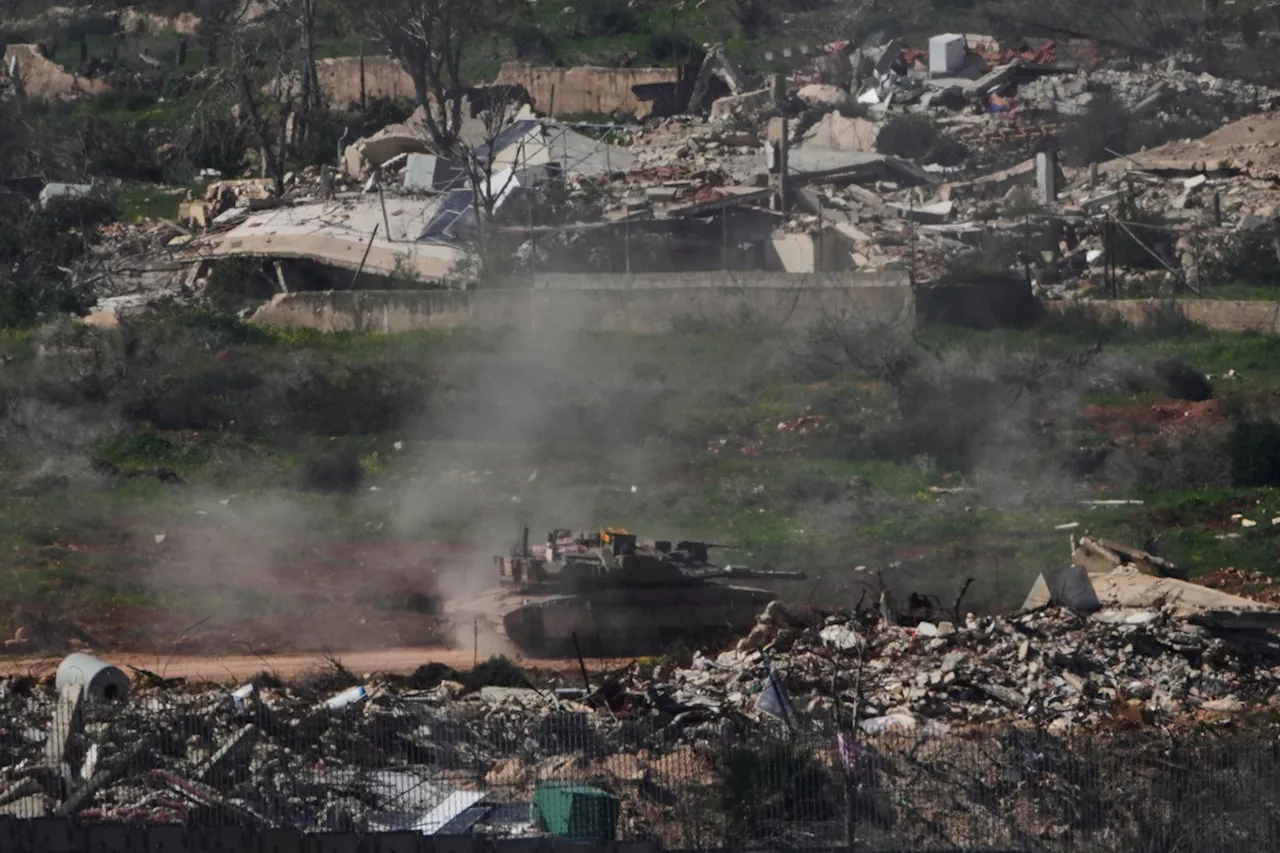
On September 28, 2023, missile and drone attacks erupted across the Middle East, marking the sixth consecutive day of escalating strikes in the region. The assaults have primarily targeted locations linked to the United States, escalating tensions significantly in an already volatile area.
The Islamic Revolutionary Guard Corps (IRGC) claimed responsibility for the latest attacks, which have focused on U.S. military bases situated in Iraq and Syria. This series of strikes appears to be a direct response to ongoing U.S. support for Israel in its conflict with Palestinian groups, heightening fears of a broader regional conflict.
Cleric’s Call for Violence
In a striking development, a prominent Iranian cleric, Qasem Soleimani, has openly called for violence against former U.S. President Donald Trump, urging his followers to seek revenge for the 2020 drone strike that killed Soleimani himself. His inflammatory rhetoric has intensified fears of retaliatory actions against U.S. interests in the Middle East.
During a sermon broadcasted widely, Soleimani stated, “We must target those responsible for his assassination. Trump must pay for what he has done.” This statement has further inflamed anti-American sentiment among Iranian hardliners and could provoke additional hostilities against U.S. personnel in the region.
The ongoing violence and calls for vengeance have raised alarms among international observers. The increased military activity comes amid heightened military readiness by U.S. forces stationed in the region, with officials indicating a potential increase in protective measures around these bases.
Regional Reactions and Implications
Various nations in the region are closely monitoring the situation. Neighboring countries such as Saudi Arabia and the United Arab Emirates have expressed concern over the potential for a spillover conflict that could destabilize the Gulf region. The ongoing conflict has also drawn the attention of global powers, who fear that escalation could disrupt oil supplies and international trade routes.
In response to the attacks, U.S. Secretary of Defense Lloyd Austin stated, “We will continue to defend our interests and our allies in the region. Any threats to our personnel or facilities will be met with decisive action.” The Pentagon has indicated that it is assessing the need for additional military resources in the area to safeguard against further attacks.
As the situation evolves, the potential for a broader conflict looms large. Analysts warn that if the cycle of retaliatory attacks continues, it could lead to a significant escalation in violence, not only between Iran and the United States but also involving other regional actors. The international community remains on high alert as diplomatic efforts are urgently needed to de-escalate tensions.
With missile strikes and calls for violence echoing across the Middle East, the pressing question remains: how far will the U.S. and Iran go in this increasingly dangerous game of brinkmanship?

Cosmic Mystery Deepens: Where Are the Universe’s Defects?

Lady Bulldogs Shine in Postseason Awards Following Final Four Run

CALV Hosts Essential Class for Local Real Estate Professionals

Urgent Alert: “Spaving” Surges as Shoppers Overspend Online

Jefferies Initiates Coverage on Insmed with “Buy” Rating

Three Dog Night to Perform with Ambrosia at Mayo Civic Center

Urgent Announcement: Charles M. Payment Passes Away at 78

Houston Education Foundation Donates $4,592 for Student Programs

Beeks Financial Cloud Shares Drop 7% Amid Increased Trading Volume

Foreign Inflows into Japan Stocks Surge to ¥1.34 Trillion

University of Hawaiʻi Joins $25.6M AI Project to Monitor Disasters

Sydney Sweeney Embraces Body Positivity Amid Hollywood Challenges

Hudson Williams Gains Popularity as Breakout Star on Heated Rivalry

Urgent Farewell: Joleen Chaney Leaves Legacy at KFOR

Boeing’s Merger with McDonnell Douglas: A Strategic Move Explained

$1.25M Grant Advances Hawaiʻi’s Real-Time Hazard Monitoring

Derrick Dove and ABAC Band Set for Free Americana Concert

BOYNEXTDOOR’s Jaehyun Faces Backlash Amid BTS-TWICE Controversy
-
Business9 months ago
Foreign Inflows into Japan Stocks Surge to ¥1.34 Trillion
-
Science8 months ago
University of Hawaiʻi Joins $25.6M AI Project to Monitor Disasters
-
 Entertainment9 months ago
Sydney Sweeney Embraces Body Positivity Amid Hollywood Challenges
-
 Entertainment7 months ago
Hudson Williams Gains Popularity as Breakout Star on Heated Rivalry
-
 Top Stories8 months ago
Urgent Farewell: Joleen Chaney Leaves Legacy at KFOR
-
 World9 months ago
Boeing’s Merger with McDonnell Douglas: A Strategic Move Explained
-
 Science7 months ago
$1.25M Grant Advances Hawaiʻi’s Real-Time Hazard Monitoring
-
 Entertainment8 months ago
Derrick Dove and ABAC Band Set for Free Americana Concert
-
 Top Stories9 months ago
BOYNEXTDOOR’s Jaehyun Faces Backlash Amid BTS-TWICE Controversy
-

 Health6 months ago
Bodybuilder Eugene Teo Transitions to Mindful Movement for Health
-

 World6 months ago
San Francisco Airport to Host 16 Nonstop Airlines to Europe in 2026
-

 Top Stories7 months ago
National Coast Guard Museum Set to Open in 2027 After Funding Secured