
Politics
Marco Rubio’s Influence Persists After Senate Departure

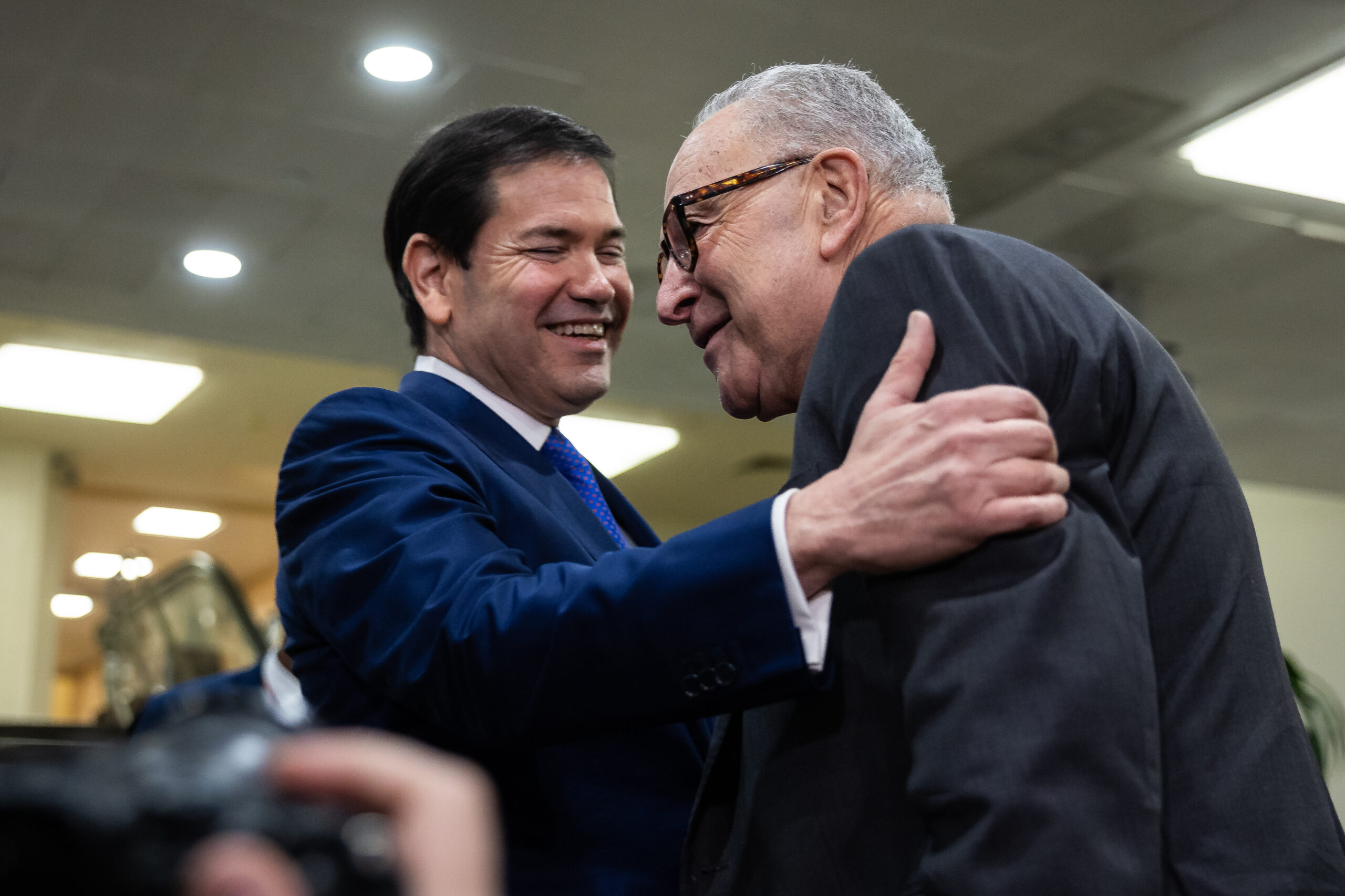
Marco Rubio, former U.S. Senator from Florida, may have stepped away from his Senate seat, but he continues to wield significant influence in political circles. Now serving as the Secretary of State, Rubio has leveraged his established relationships to advocate for the administration’s ambitious strategy for the Americas.
Since assuming his role, Rubio has focused on enhancing diplomatic ties and fostering economic cooperation across Latin America. His approach emphasizes the importance of collaboration in addressing regional challenges, such as economic instability and security concerns. This strategy, outlined earlier this year, aims to strengthen partnerships that can lead to sustainable development and growth in the region.
Strengthening Diplomatic Ties
Rubio’s connections from his time in the Senate have proven beneficial as he engages with leaders across the Americas. His familiarity with various political landscapes allows him to navigate complex negotiations effectively. During a recent trip to Brazil on March 10, 2023, Rubio met with President Luiz Inácio Lula da Silva to discuss trade agreements and shared security initiatives.
The Secretary has also prioritized outreach to Central American countries, recognizing their critical role in regional stability. By promoting economic aid and investment, Rubio’s strategy seeks to address the root causes of migration, which has become a pressing issue for many nations in the Americas.
Rubio’s ongoing involvement in these discussions highlights the importance of personal relationships in diplomacy. His ability to connect with officials and stakeholders enables him to advocate effectively for U.S. interests while fostering mutual benefits for partner nations.
Impact on Regional Policy
The administration’s strategy, which Rubio champions, reflects a shift in focus towards the Americas. This includes a commitment to investing in infrastructure and technology to enhance trade routes and logistics within the region. According to the U.S. State Department, an estimated $1.5 billion will be allocated for development projects over the next five years.
Critics, however, question the sustainability of this approach. Some argue that without a comprehensive plan addressing social and political challenges, the strategy may fall short of delivering long-term benefits. Still, Rubio remains optimistic, emphasizing the potential for positive change through collaborative efforts.
His leadership underscores a broader trend of prioritizing Latin America within U.S. foreign policy. By fostering partnerships and enhancing diplomatic relations, the administration aims to create a more stable and prosperous region.
Rubio’s ability to maintain his influence, even after leaving the Senate, illustrates the enduring power of personal connections in politics. As he continues to engage with leaders throughout the Americas, his role as Secretary of State may redefine U.S. relations in the region for years to come.

Cosmic Mystery Deepens: Where Are the Universe’s Defects?

Lady Bulldogs Shine in Postseason Awards Following Final Four Run

CALV Hosts Essential Class for Local Real Estate Professionals

Urgent Alert: “Spaving” Surges as Shoppers Overspend Online

Jefferies Initiates Coverage on Insmed with “Buy” Rating

Three Dog Night to Perform with Ambrosia at Mayo Civic Center

Urgent Announcement: Charles M. Payment Passes Away at 78

Houston Education Foundation Donates $4,592 for Student Programs

Beeks Financial Cloud Shares Drop 7% Amid Increased Trading Volume

Foreign Inflows into Japan Stocks Surge to ¥1.34 Trillion

University of Hawaiʻi Joins $25.6M AI Project to Monitor Disasters

Sydney Sweeney Embraces Body Positivity Amid Hollywood Challenges

Hudson Williams Gains Popularity as Breakout Star on Heated Rivalry

Urgent Farewell: Joleen Chaney Leaves Legacy at KFOR

Boeing’s Merger with McDonnell Douglas: A Strategic Move Explained

$1.25M Grant Advances Hawaiʻi’s Real-Time Hazard Monitoring

Derrick Dove and ABAC Band Set for Free Americana Concert

BOYNEXTDOOR’s Jaehyun Faces Backlash Amid BTS-TWICE Controversy
-
Business9 months ago
Foreign Inflows into Japan Stocks Surge to ¥1.34 Trillion
-
Science9 months ago
University of Hawaiʻi Joins $25.6M AI Project to Monitor Disasters
-
 Entertainment9 months ago
Sydney Sweeney Embraces Body Positivity Amid Hollywood Challenges
-
 Entertainment8 months ago
Hudson Williams Gains Popularity as Breakout Star on Heated Rivalry
-
 Top Stories9 months ago
Urgent Farewell: Joleen Chaney Leaves Legacy at KFOR
-
 World9 months ago
Boeing’s Merger with McDonnell Douglas: A Strategic Move Explained
-
 Science8 months ago
$1.25M Grant Advances Hawaiʻi’s Real-Time Hazard Monitoring
-
 Entertainment8 months ago
Derrick Dove and ABAC Band Set for Free Americana Concert
-
 Top Stories9 months ago
BOYNEXTDOOR’s Jaehyun Faces Backlash Amid BTS-TWICE Controversy
-

 Health6 months ago
Bodybuilder Eugene Teo Transitions to Mindful Movement for Health
-

 World6 months ago
San Francisco Airport to Host 16 Nonstop Airlines to Europe in 2026
-

 Top Stories7 months ago
National Coast Guard Museum Set to Open in 2027 After Funding Secured