
Politics
Increased ICE Activity Triggers Child Care Workforce Crisis

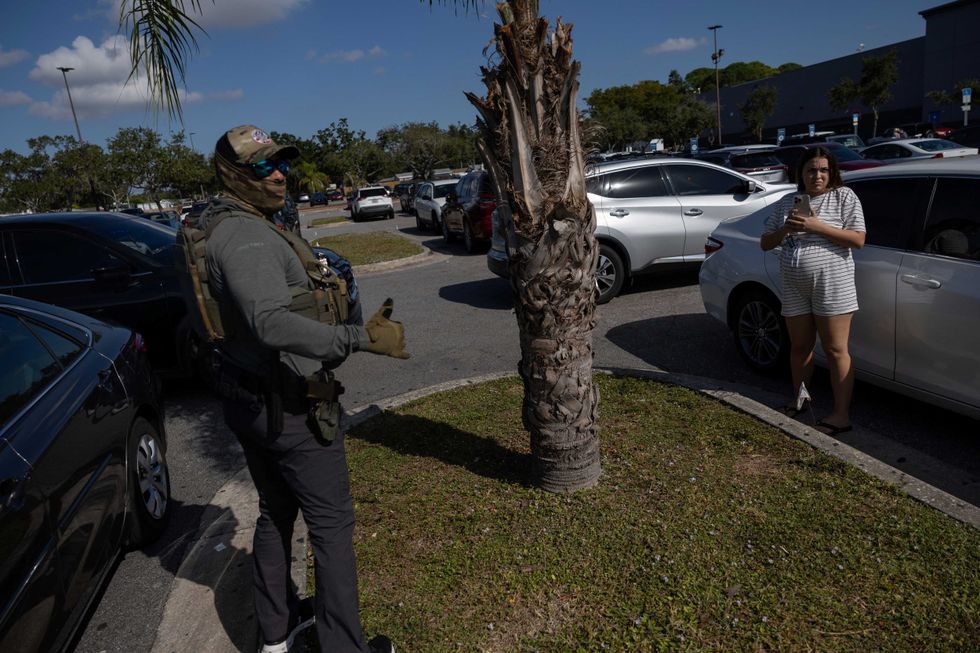
Concerns surrounding the impact of intensified immigration enforcement in the United States are growing, particularly in the child care sector. A recent report from the progressive think tank, New America, highlights a significant decline in both child care workers and mothers in the workforce. Released on March 15, 2025, the report indicates that increased arrests by U.S. Immigration and Customs Enforcement (ICE) have created a “chilling effect” on the industry.
According to the report, titled “The Impact of Increased ICE Activity on the Child Care Workforce and Mothers’ Employment,” approximately 77,000 U.S.-born mothers with children aged 0 to 5 exited the workforce between January 2025 and July 2025. This drop corresponds with a 3 percent decline in mothers’ labor force participation during the same period, as noted by report author Chris Herbst, a professor at Arizona State University.
The report also reveals a substantial reduction in the number of foreign-born child care workers. Specifically, there was a loss of 39,000 immigrant workers in the child care sector, exacerbating the challenges faced by working mothers who depend on these employees for support.
“Because immigration enforcement has made it more difficult for foreign-born workers to do their jobs, their native-born counterparts who depend on their immigrant colleagues have suddenly found that it’s more difficult to do their jobs as well,” Herbst explained. While most foreign-born child care workers are in the U.S. legally, heightened ICE activity has instilled fear in the workforce, particularly following the high-profile detention of a daycare worker in Chicago last month.
The report suggests that there has been a notable decrease in the number of Hispanic or Mexican U.S.-born individuals entering the child care field. “These are individuals who should not be afraid of ICE,” Herbst stated. “They are not eligible to be deported, and yet they are also leaving the child care sector, and I think for that reason, one of the potential explanations we have is that they’ve been chilled out of the labor force.”
Documenting Employment Trends Amid ICE Enforcement
Herbst emphasized that this report provides some of the first empirical evidence regarding the labor market outcomes stemming from the recent surge in immigration enforcement. He underscored the importance of monitoring employment figures for child care workers and mothers of preschool-aged children, particularly given the current political climate surrounding immigration.
Researchers utilized employment data from the Current Population Survey alongside ICE arrest statistics from the Deportation Data Project to compile their findings. The analysis revealed that the impact of immigration enforcement is especially pronounced in the child care industry, where disruptions can severely affect mothers’ employment opportunities.
President Donald Trump notably rescinded a directive from former President Joe Biden that had previously protected child care centers from ICE interventions. The report found that workers in formal child care centers are particularly vulnerable to the repercussions of increased enforcement, as these facilities are often subject to unannounced visits from state regulators.
“The center-based sector is more exposed,” Herbst noted. “Their wages are reported for tax purposes, which adds an extra layer of visibility that can lead to increased fear and confusion among workers.” As a result, some have opted to transition from formal settings to private households in search of greater job security and less exposure to enforcement actions.
Herbst also pointed out that the report’s estimates may underestimate the true extent of ICE’s impact on the child care workforce. “What I hope this report does is start a conversation about the potential trade-offs associated with this kind of immigration policy,” he said. “The administration has talked a lot about the potential benefits. I don’t think that we as a country have really started to reckon with the potential downsides of this kind of policy.”
With ICE receiving over $170 billion in funding over four years for enhanced enforcement activities, Herbst insists that researchers must continue to investigate the potential effects of these policies. “I would anticipate in the months and years ahead that we will begin to have a full reckoning of the sort of trade-offs associated with this kind of policy,” he remarked.
As the discourse surrounding immigration enforcement evolves, Herbst foresees that the disruptive effects on mothers and child care workers will become increasingly pronounced. “Even if you look at just the chilling effects alone, I think people are feeling an unprecedented amount of fear and confusion in this new environment,” he concluded.

Cosmic Mystery Deepens: Where Are the Universe’s Defects?

Lady Bulldogs Shine in Postseason Awards Following Final Four Run

CALV Hosts Essential Class for Local Real Estate Professionals

Urgent Alert: “Spaving” Surges as Shoppers Overspend Online

Jefferies Initiates Coverage on Insmed with “Buy” Rating

Three Dog Night to Perform with Ambrosia at Mayo Civic Center

Urgent Announcement: Charles M. Payment Passes Away at 78

Houston Education Foundation Donates $4,592 for Student Programs

Beeks Financial Cloud Shares Drop 7% Amid Increased Trading Volume

Foreign Inflows into Japan Stocks Surge to ¥1.34 Trillion

University of Hawaiʻi Joins $25.6M AI Project to Monitor Disasters

Sydney Sweeney Embraces Body Positivity Amid Hollywood Challenges

Hudson Williams Gains Popularity as Breakout Star on Heated Rivalry

Urgent Farewell: Joleen Chaney Leaves Legacy at KFOR

Boeing’s Merger with McDonnell Douglas: A Strategic Move Explained

$1.25M Grant Advances Hawaiʻi’s Real-Time Hazard Monitoring

Derrick Dove and ABAC Band Set for Free Americana Concert

BOYNEXTDOOR’s Jaehyun Faces Backlash Amid BTS-TWICE Controversy
-
Business9 months ago
Foreign Inflows into Japan Stocks Surge to ¥1.34 Trillion
-
Science9 months ago
University of Hawaiʻi Joins $25.6M AI Project to Monitor Disasters
-
 Entertainment9 months ago
Sydney Sweeney Embraces Body Positivity Amid Hollywood Challenges
-
 Entertainment8 months ago
Hudson Williams Gains Popularity as Breakout Star on Heated Rivalry
-
 Top Stories9 months ago
Urgent Farewell: Joleen Chaney Leaves Legacy at KFOR
-
 World9 months ago
Boeing’s Merger with McDonnell Douglas: A Strategic Move Explained
-
 Science8 months ago
$1.25M Grant Advances Hawaiʻi’s Real-Time Hazard Monitoring
-
 Entertainment8 months ago
Derrick Dove and ABAC Band Set for Free Americana Concert
-
 Top Stories9 months ago
BOYNEXTDOOR’s Jaehyun Faces Backlash Amid BTS-TWICE Controversy
-

 Health6 months ago
Bodybuilder Eugene Teo Transitions to Mindful Movement for Health
-

 World6 months ago
San Francisco Airport to Host 16 Nonstop Airlines to Europe in 2026
-

 Top Stories7 months ago
National Coast Guard Museum Set to Open in 2027 After Funding Secured