
Health
Norovirus Cases Surge in the U.S.: What You Need to Know

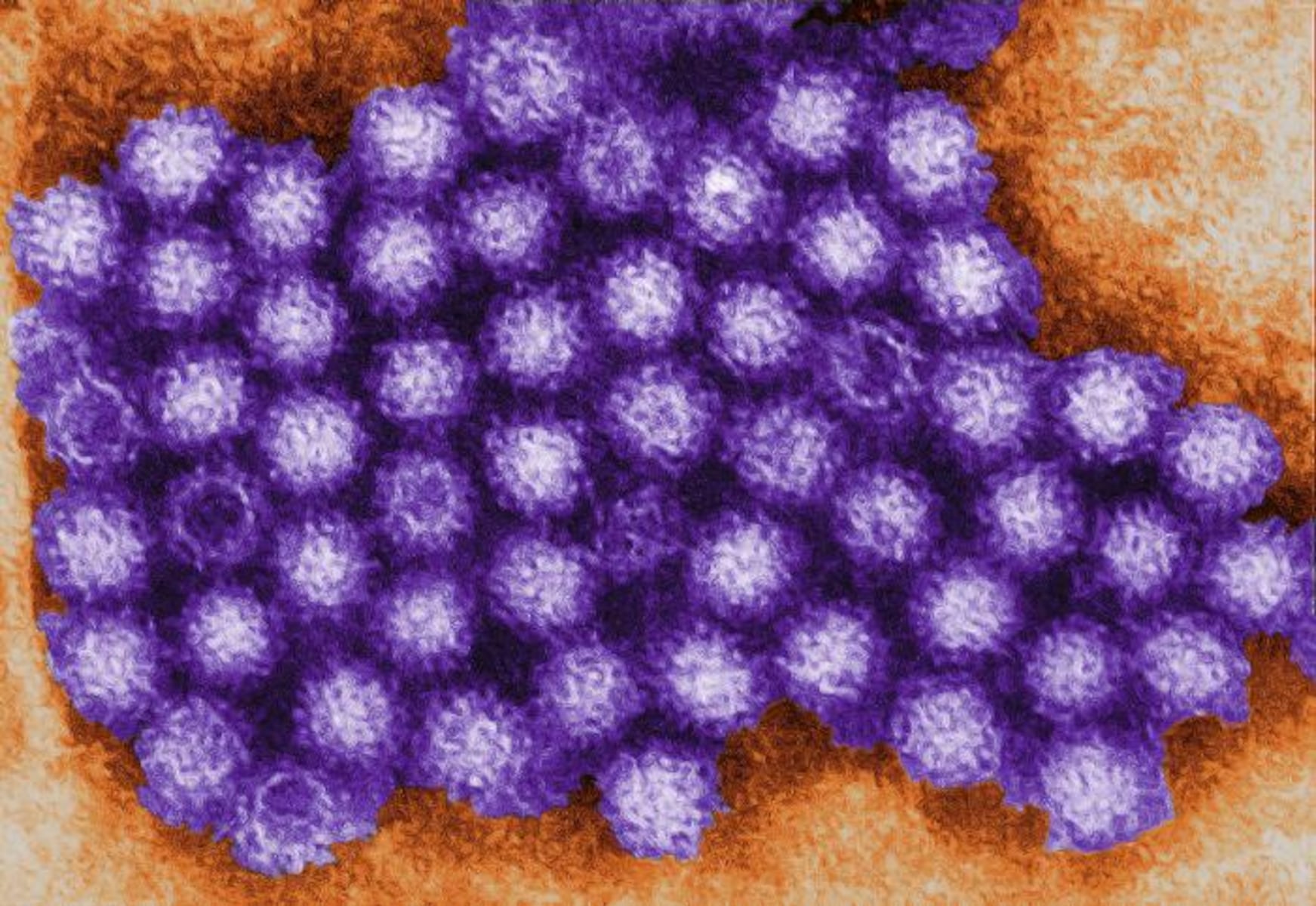
Health officials in the United States are reporting a significant rise in cases of norovirus, commonly referred to as “winter vomiting disease.” Since mid-October 2023, the Centers for Disease Control and Prevention (CDC) has observed a notable increase in norovirus outbreaks, particularly in states such as Indiana, Louisiana, and Michigan. Other states, including Alabama, California, Florida, and Texas, have also been identified as having areas with concentrated cases.
According to the CDC’s National Wastewater Surveillance System, which monitors infectious diseases through over 1,000 wastewater sampling sites nationwide, this uptick in norovirus cases is occurring earlier than usual. Typically, norovirus activity peaks from December to April, but the current surge began in October, raising concerns among health officials.
One variant of particular concern is GII.17, which was responsible for approximately 75% of outbreaks last year. The CDC emphasizes that individuals can become infected with norovirus multiple times in their lives due to the existence of various norovirus strains. Infection with one type does not grant immunity against others, which contributes to the widespread nature of outbreaks.
Norovirus spreads easily through direct contact with infected individuals, including sharing food or utensils. Contaminated food and surfaces also pose a risk for transmission. The CDC notes that individuals infected with norovirus can continue to spread the virus for up to two weeks after they start feeling better.
Recognizing Symptoms and Risks
Symptoms of norovirus typically manifest within 12 to 48 hours after exposure. The most common symptoms include:
– Diarrhea
– Vomiting
– Nausea
– Stomach pain
– Fever
– Headache
– Body aches
A significant concern associated with norovirus is the risk of dehydration, particularly in vulnerable populations such as young children, older adults, and individuals with underlying health conditions. Signs of dehydration may include decreased urination, dry mouth and throat, dizziness upon standing, crying with few or no tears, and unusual sleepiness or irritability.
Prevention Strategies
To mitigate the risk of norovirus infection, the CDC recommends several prevention strategies:
– Wash hands thoroughly and frequently, especially after using the restroom and before eating.
– Cook shellfish to safe temperatures and wash fruits and vegetables before consumption.
– Clean and disinfect surfaces that may be contaminated.
– Wash laundry in hot water if it has come into contact with an infected person.
– Stay home for at least 48 hours after symptoms resolve to prevent spreading the virus to others.
As norovirus cases continue to rise, public health authorities urge individuals to take proactive measures to protect themselves and their communities. Awareness and preventive actions can significantly reduce the likelihood of infection during this peak season.

Cosmic Mystery Deepens: Where Are the Universe’s Defects?

Lady Bulldogs Shine in Postseason Awards Following Final Four Run

CALV Hosts Essential Class for Local Real Estate Professionals

Urgent Alert: “Spaving” Surges as Shoppers Overspend Online

Jefferies Initiates Coverage on Insmed with “Buy” Rating

Three Dog Night to Perform with Ambrosia at Mayo Civic Center

Urgent Announcement: Charles M. Payment Passes Away at 78

Houston Education Foundation Donates $4,592 for Student Programs

Beeks Financial Cloud Shares Drop 7% Amid Increased Trading Volume

Foreign Inflows into Japan Stocks Surge to ¥1.34 Trillion

University of Hawaiʻi Joins $25.6M AI Project to Monitor Disasters

Sydney Sweeney Embraces Body Positivity Amid Hollywood Challenges

Hudson Williams Gains Popularity as Breakout Star on Heated Rivalry

Urgent Farewell: Joleen Chaney Leaves Legacy at KFOR

Boeing’s Merger with McDonnell Douglas: A Strategic Move Explained

$1.25M Grant Advances Hawaiʻi’s Real-Time Hazard Monitoring

Derrick Dove and ABAC Band Set for Free Americana Concert

Bodybuilder Eugene Teo Transitions to Mindful Movement for Health
-
Business9 months ago
Foreign Inflows into Japan Stocks Surge to ¥1.34 Trillion
-
Science9 months ago
University of Hawaiʻi Joins $25.6M AI Project to Monitor Disasters
-
 Entertainment9 months ago
Sydney Sweeney Embraces Body Positivity Amid Hollywood Challenges
-
 Entertainment8 months ago
Hudson Williams Gains Popularity as Breakout Star on Heated Rivalry
-
 Top Stories9 months ago
Urgent Farewell: Joleen Chaney Leaves Legacy at KFOR
-
 World9 months ago
Boeing’s Merger with McDonnell Douglas: A Strategic Move Explained
-
 Science8 months ago
$1.25M Grant Advances Hawaiʻi’s Real-Time Hazard Monitoring
-
 Entertainment8 months ago
Derrick Dove and ABAC Band Set for Free Americana Concert
-
 Health6 months ago
Bodybuilder Eugene Teo Transitions to Mindful Movement for Health
-

 Top Stories9 months ago
BOYNEXTDOOR’s Jaehyun Faces Backlash Amid BTS-TWICE Controversy
-

 World7 months ago
San Francisco Airport to Host 16 Nonstop Airlines to Europe in 2026
-

 Top Stories7 months ago
National Coast Guard Museum Set to Open in 2027 After Funding Secured