
Health
Australia Enacts First Social Media Ban for Under-16s

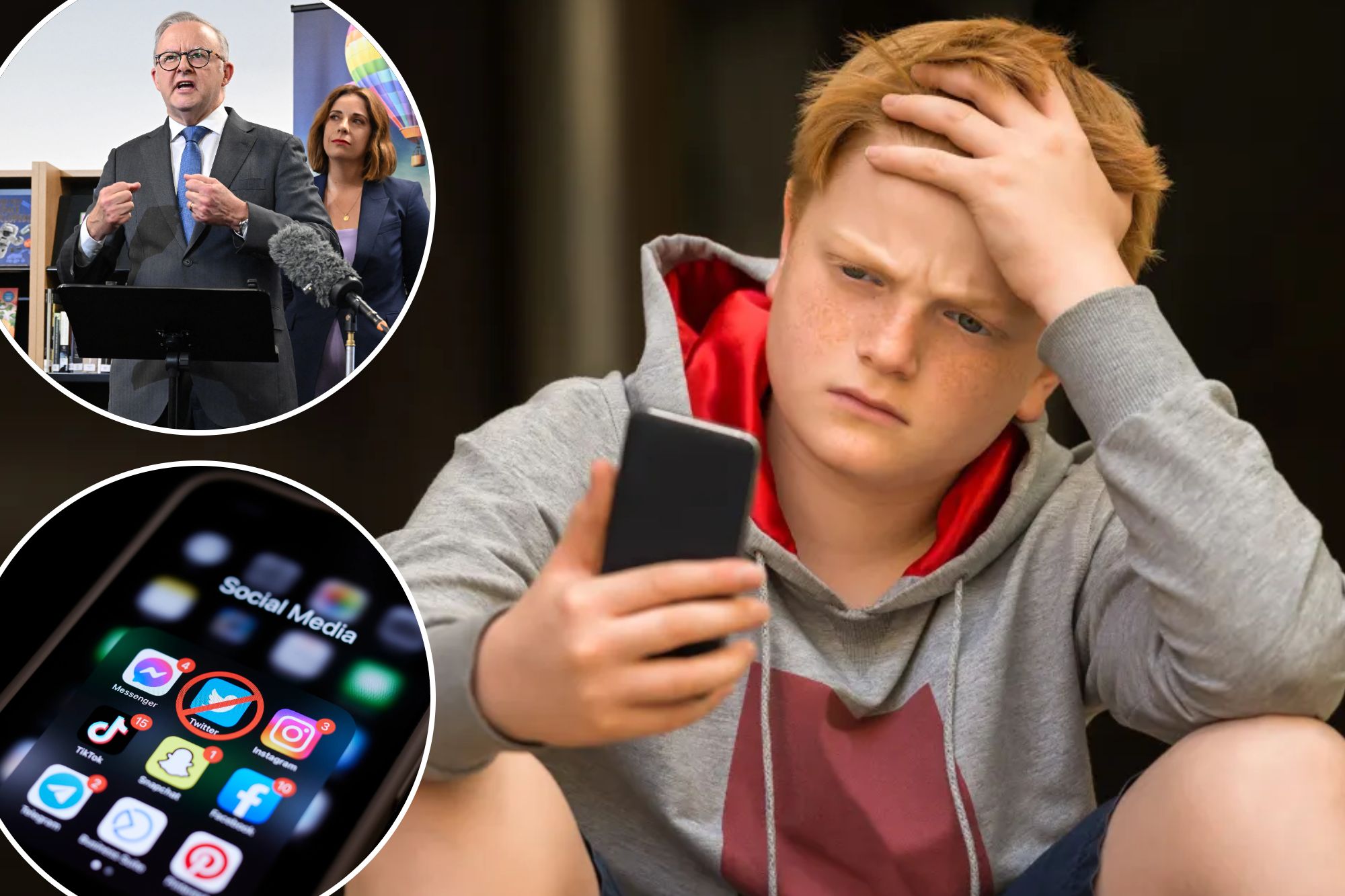
Australia has officially implemented a groundbreaking ban on social media for children under the age of 16. Announced on March 15, 2024, the legislation threatens significant fines for technology companies that fail to take adequate measures to prevent underage users from accessing their platforms. This decision aims to combat the harmful effects of social media on young Australians.
Officials have identified design features on social media platforms that encourage excessive screen time and expose children to harmful content. A government-commissioned study revealed that an alarming 96% of Australian children aged 10 to 15 are active on social media, with 70% reporting exposure to damaging material such as violence, misogyny, eating disorders, and suicide.
Prime Minister Anthony Albanese emphasized the importance of this legislation, stating, “This is the day when Australian families are taking back power from these big tech companies.” He added that the ban asserts the right of children to enjoy their youth while granting parents greater peace of mind.
As Australia moves forward with this initiative, global attention is drawn toward the potential implications for children’s mental health. Research consistently indicates that heavy social media use can lead to adverse mental health outcomes. A 2019 study involving American adolescents aged 12 to 15 found that those who spent more than three hours daily on social media were at twice the risk of experiencing depression and anxiety.
Compounding these concerns, studies have demonstrated that frequent social media engagement can lead to behaviors associated with eating disorders, particularly among teenage girls. Additionally, one study revealed that 14.8% of young individuals admitted to mental hospitals for self-harm had visited websites promoting suicide within the two weeks prior to their admission.
The impact of social media extends beyond mental health. Increased screen time may also affect physical wellbeing. Research indicates that children who received a cellphone before the age of 12 are more susceptible to obesity and poor sleep patterns compared to their peers. Notably, over 80% of children aged 11 to 17 do not meet recommended daily physical activity levels, with screen time often replacing play and exercise.
Sleep deprivation is another significant concern. Surveys show that 93% of Generation Z admit to staying up late to check social media, while heavy daytime users report three times more sleep disturbances than those who limit their online activity. This lack of rest can adversely affect academic performance. A study published in October found that children with increased social media use scored lower on tests measuring reading, vocabulary, and memory.
In response to escalating concerns, the U.S. Surgeon General, Dr. Vivek Murthy, called for warning labels on social media platforms in 2024, similar to those on cigarette packages. He stated, “It is time to require a surgeon general’s warning label on social media platforms, stating that social media is associated with significant mental health harms for adolescents,” in an opinion piece for The New York Times.
While the negative aspects of social media usage are evident, some studies suggest that reducing screen time can lead to improvements in mental health. A 2023 study found that teenagers who cut their social media use by 50% experienced significant boosts in self-esteem, particularly regarding body image. Another study indicated that a one-week social media detox led to reductions in depressive symptoms by 25%, anxiety by 16%, and insomnia by 15%.
Interestingly, many teenagers themselves recognize the detrimental effects of social media. A recent survey indicated that nearly 50% of U.S. teens aged 13 to 17 perceive social media as having a “mostly negative” impact, a notable increase from 32% in 2022. One teenager articulated, “The overuse of social media in our society seems to be the main cause of depression among those in my age group.”
Despite these challenges, social media can also foster connection and creativity when used responsibly. A survey found that 74% of teens feel social media enhances their friendships, while 63% believe it provides a platform to express their creativity and connect with others facing similar challenges.
As Australia sets a precedent with its ban, the global conversation surrounding social media’s impact on youth mental health is likely to intensify. The outcomes of this initiative will be closely monitored by other nations grappling with similar issues.

Cosmic Mystery Deepens: Where Are the Universe’s Defects?

Lady Bulldogs Shine in Postseason Awards Following Final Four Run

CALV Hosts Essential Class for Local Real Estate Professionals

Urgent Alert: “Spaving” Surges as Shoppers Overspend Online

Jefferies Initiates Coverage on Insmed with “Buy” Rating

Three Dog Night to Perform with Ambrosia at Mayo Civic Center

Urgent Announcement: Charles M. Payment Passes Away at 78

Houston Education Foundation Donates $4,592 for Student Programs

Beeks Financial Cloud Shares Drop 7% Amid Increased Trading Volume

Foreign Inflows into Japan Stocks Surge to ¥1.34 Trillion

University of Hawaiʻi Joins $25.6M AI Project to Monitor Disasters

Sydney Sweeney Embraces Body Positivity Amid Hollywood Challenges

Hudson Williams Gains Popularity as Breakout Star on Heated Rivalry

Urgent Farewell: Joleen Chaney Leaves Legacy at KFOR

Boeing’s Merger with McDonnell Douglas: A Strategic Move Explained

$1.25M Grant Advances Hawaiʻi’s Real-Time Hazard Monitoring

Derrick Dove and ABAC Band Set for Free Americana Concert

BOYNEXTDOOR’s Jaehyun Faces Backlash Amid BTS-TWICE Controversy
-
Business9 months ago
Foreign Inflows into Japan Stocks Surge to ¥1.34 Trillion
-
Science9 months ago
University of Hawaiʻi Joins $25.6M AI Project to Monitor Disasters
-
 Entertainment9 months ago
Sydney Sweeney Embraces Body Positivity Amid Hollywood Challenges
-
 Entertainment8 months ago
Hudson Williams Gains Popularity as Breakout Star on Heated Rivalry
-
 Top Stories9 months ago
Urgent Farewell: Joleen Chaney Leaves Legacy at KFOR
-
 World9 months ago
Boeing’s Merger with McDonnell Douglas: A Strategic Move Explained
-
 Science8 months ago
$1.25M Grant Advances Hawaiʻi’s Real-Time Hazard Monitoring
-
 Entertainment8 months ago
Derrick Dove and ABAC Band Set for Free Americana Concert
-
 Top Stories9 months ago
BOYNEXTDOOR’s Jaehyun Faces Backlash Amid BTS-TWICE Controversy
-

 Health6 months ago
Bodybuilder Eugene Teo Transitions to Mindful Movement for Health
-

 World7 months ago
San Francisco Airport to Host 16 Nonstop Airlines to Europe in 2026
-

 Top Stories7 months ago
National Coast Guard Museum Set to Open in 2027 After Funding Secured