
Health
Hidden Heart Risks: Cholesterol Tests May Not Tell the Whole Story

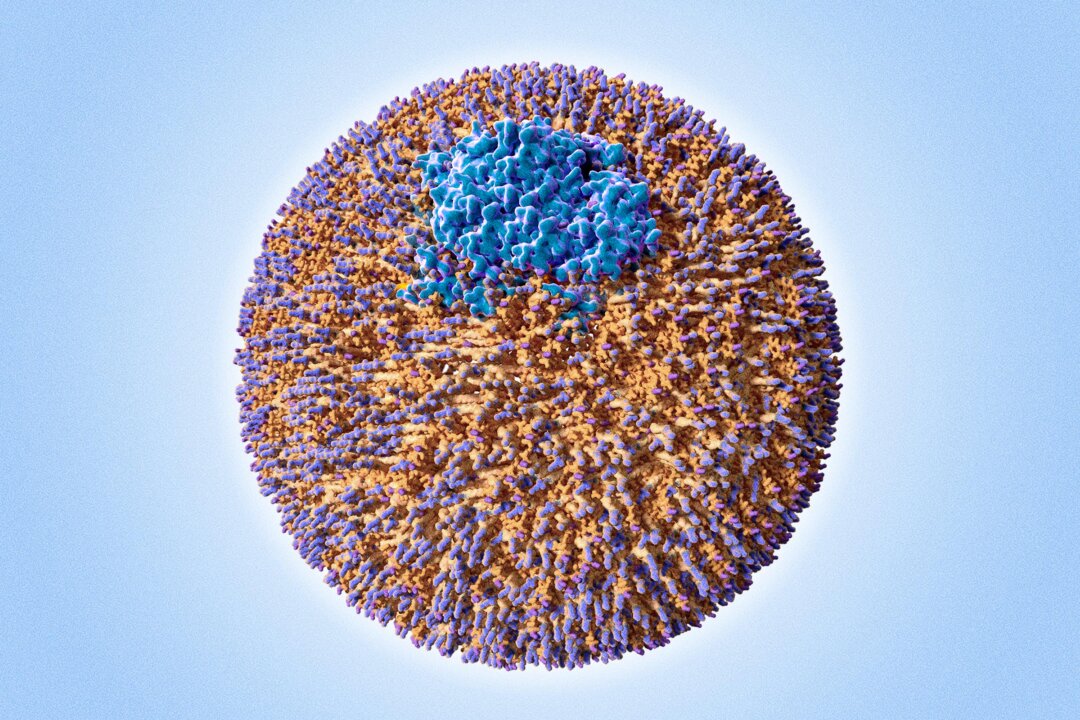
Recent discussions in cardiovascular health have highlighted a significant gap in traditional cholesterol screening methods. Many individuals believe that normal cholesterol levels indicate a low risk of heart disease. However, leading preventive cardiologist Dr. Seth J. Baum warns that this assumption can lead to dangerous oversights.
In a recent episode of the health series Vital Signs, Dr. Baum emphasized the importance of considering lipoprotein(a), commonly referred to as Lp(a). This inherited cholesterol-related particle can significantly elevate the risk of heart attack, stroke, and aortic valve disease, even when standard cholesterol tests yield reassuring results.
Understanding Lipoprotein(a)
Dr. Baum explained that Lp(a) is often overlooked in routine screenings. While most tests focus on LDL (“bad” cholesterol), HDL (“good” cholesterol), and triglycerides, they do not account for Lp(a) levels. The cardiologist stated, “Lp(a) explains a lot of heart disease we used to call bad luck. It’s not bad luck—it’s biology we weren’t measuring.” This underscores a critical point: individuals with normal cholesterol levels might still face heightened cardiovascular risks due to Lp(a).
Research indicates that approximately 1 in 5 individuals have elevated levels of Lp(a), which can lead to significant health issues. Unlike other types of cholesterol, Lp(a) is primarily determined by genetics, meaning that those with a family history of heart disease may be particularly susceptible.
The Importance of Comprehensive Testing
The findings presented by Dr. Baum and others in the field suggest that traditional cholesterol tests should be complemented by assessments of Lp(a) levels. Despite the potential risk, many healthcare providers do not routinely test for Lp(a), leaving patients unaware of their true cardiovascular risk.
Incorporating Lp(a) testing into regular health check-ups could provide a more complete picture of an individual’s heart health. Dr. Baum advocates for increased awareness among both patients and healthcare professionals regarding the implications of Lp(a) testing.
As public health initiatives continue to evolve, it is essential for patients to engage in discussions with their healthcare providers about comprehensive cholesterol testing. Understanding the full spectrum of cholesterol and its various components, including Lp(a), can lead to more informed decisions and proactive measures in heart health management.
In conclusion, while normal cholesterol levels can be reassuring, they may not guarantee a low risk for heart-related issues. The inclusion of Lp(a) testing in routine screenings could help identify hidden risks and ultimately save lives.

Cosmic Mystery Deepens: Where Are the Universe’s Defects?

Lady Bulldogs Shine in Postseason Awards Following Final Four Run

CALV Hosts Essential Class for Local Real Estate Professionals

Urgent Alert: “Spaving” Surges as Shoppers Overspend Online

Jefferies Initiates Coverage on Insmed with “Buy” Rating

Three Dog Night to Perform with Ambrosia at Mayo Civic Center

Urgent Announcement: Charles M. Payment Passes Away at 78

Houston Education Foundation Donates $4,592 for Student Programs

Beeks Financial Cloud Shares Drop 7% Amid Increased Trading Volume

Foreign Inflows into Japan Stocks Surge to ¥1.34 Trillion

University of Hawaiʻi Joins $25.6M AI Project to Monitor Disasters

Sydney Sweeney Embraces Body Positivity Amid Hollywood Challenges

Hudson Williams Gains Popularity as Breakout Star on Heated Rivalry

Urgent Farewell: Joleen Chaney Leaves Legacy at KFOR

Boeing’s Merger with McDonnell Douglas: A Strategic Move Explained

$1.25M Grant Advances Hawaiʻi’s Real-Time Hazard Monitoring

Derrick Dove and ABAC Band Set for Free Americana Concert

BOYNEXTDOOR’s Jaehyun Faces Backlash Amid BTS-TWICE Controversy
-
Business9 months ago
Foreign Inflows into Japan Stocks Surge to ¥1.34 Trillion
-
Science8 months ago
University of Hawaiʻi Joins $25.6M AI Project to Monitor Disasters
-
 Entertainment9 months ago
Sydney Sweeney Embraces Body Positivity Amid Hollywood Challenges
-
 Entertainment7 months ago
Hudson Williams Gains Popularity as Breakout Star on Heated Rivalry
-
 Top Stories8 months ago
Urgent Farewell: Joleen Chaney Leaves Legacy at KFOR
-
 World9 months ago
Boeing’s Merger with McDonnell Douglas: A Strategic Move Explained
-
 Science7 months ago
$1.25M Grant Advances Hawaiʻi’s Real-Time Hazard Monitoring
-
 Entertainment8 months ago
Derrick Dove and ABAC Band Set for Free Americana Concert
-
 Top Stories9 months ago
BOYNEXTDOOR’s Jaehyun Faces Backlash Amid BTS-TWICE Controversy
-

 Health6 months ago
Bodybuilder Eugene Teo Transitions to Mindful Movement for Health
-

 World6 months ago
San Francisco Airport to Host 16 Nonstop Airlines to Europe in 2026
-

 Top Stories7 months ago
National Coast Guard Museum Set to Open in 2027 After Funding Secured