
Health
Magnesium Supplements Gain Popularity as Health Benefits Emerge

Interest in magnesium supplements has surged recently, driven by their purported health benefits. Many individuals are turning to magnesium products as alternatives for sleep aids and digestive health. This trend reflects a broader societal focus on wellness, particularly among younger generations seeking to optimize their overall well-being.
Magnesium is a vital mineral that plays a key role in over 300 biochemical reactions in the body, including protein synthesis, nerve function, and blood sugar regulation. It is essential for maintaining cardiovascular health and also supports bone structure and muscle function. Common dietary sources include legumes, leafy greens, whole grains, and nuts. Despite its importance, many people do not consume sufficient magnesium through their diet.
According to registered dietitian Sue-Ellen Anderson-Haynes, over 90 percent of women and 97 percent of men in the United States fail to meet the recommended daily intake for dietary fiber, which is crucial for magnesium absorption. Older adults are particularly vulnerable due to a natural decline in the body’s ability to absorb magnesium as one ages. Certain health conditions, such as Crohn’s disease and kidney disease, as well as the use of diuretics and alcohol, can further exacerbate magnesium depletion.
A deficiency, known as hypomagnesemia, can lead to a variety of symptoms including headaches, nausea, and muscle weakness. Chronic lack of magnesium may also increase the risk of developing serious health conditions, such as high blood pressure, osteoporosis, and type 2 diabetes.
Types of Magnesium Supplements and Their Uses
Various forms of magnesium supplements are available, each with different potential benefits. Research suggests that magnesium may help with migraines, insomnia, and cardiovascular health. Anderson-Haynes notes that magnesium can aid in alleviating menstrual cycle irregularities and may provide benefits for women undergoing perimenopause and menopause. It may also play a role in treating complications during pregnancy, such as preeclampsia.
The recommended dietary allowance for magnesium is 320 milligrams for women and 420 milligrams for men. Most individuals can achieve these levels through a balanced diet, as healthy kidneys effectively manage magnesium levels by excreting excess amounts. Supplements under 350 milligrams per day are generally deemed safe for healthy adults.
While magnesium supplements are not essential for everyone, individuals experiencing migraines or insomnia might find them beneficial. However, it is crucial to consult with a healthcare professional before starting any supplement regimen.
Excessive magnesium intake can lead to side effects such as diarrhea, nausea, and gastrointestinal discomfort. In rare cases, particularly among individuals with kidney disease, excessive magnesium can cause severe complications, including low blood pressure and cardiac arrest.
Recommended Magnesium Sources and Products
For those considering magnesium supplementation, it is advisable to prioritize dietary sources first. Foods rich in magnesium include:
– Legumes (beans, lentils, chickpeas)
– Leafy greens (kale, spinach)
– Whole grains (oats, quinoa)
– Nuts (almonds, cashews)
– Fruits (bananas, dried apricots)
– Soy products (tofu, soy milk)
– Dark chocolate, which can contain over 228 milligrams of magnesium per 100 grams
When choosing supplements, Anderson-Haynes recommends looking for those with certifications such as Good Manufacturing Practices (GMP) or NSF to ensure product quality and safety, as dietary supplements in the United States are not regulated by the Food and Drug Administration.
Among popular magnesium supplement brands, Pure Encapsulations is frequently recommended by healthcare professionals for its high-quality formulations. Each capsule contains 120 milligrams of magnesium glycinate, which is often favored for its minimal laxative effect. Thorne is another trusted brand that conducts rigorous testing to ensure product purity and potency.
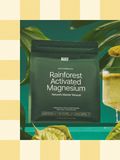
For those who struggle to incorporate enough magnesium-rich foods into their diets, products like Buoy’s Rainforest Activated Magnesium offer a plant-based alternative. This supplement is designed to enhance absorption and includes unique ingredients sourced from the Australian rainforest.
In summary, while magnesium supplements are gaining traction for their health benefits, a balanced diet remains the best approach for most individuals. Those considering supplementation should consult healthcare professionals to determine the best course of action for their specific needs.

Cosmic Mystery Deepens: Where Are the Universe’s Defects?

Lady Bulldogs Shine in Postseason Awards Following Final Four Run

CALV Hosts Essential Class for Local Real Estate Professionals

Urgent Alert: “Spaving” Surges as Shoppers Overspend Online

Jefferies Initiates Coverage on Insmed with “Buy” Rating

Three Dog Night to Perform with Ambrosia at Mayo Civic Center

Urgent Announcement: Charles M. Payment Passes Away at 78

Houston Education Foundation Donates $4,592 for Student Programs

Beeks Financial Cloud Shares Drop 7% Amid Increased Trading Volume

Foreign Inflows into Japan Stocks Surge to ¥1.34 Trillion

University of Hawaiʻi Joins $25.6M AI Project to Monitor Disasters

Sydney Sweeney Embraces Body Positivity Amid Hollywood Challenges

Hudson Williams Gains Popularity as Breakout Star on Heated Rivalry

Urgent Farewell: Joleen Chaney Leaves Legacy at KFOR

Boeing’s Merger with McDonnell Douglas: A Strategic Move Explained

$1.25M Grant Advances Hawaiʻi’s Real-Time Hazard Monitoring

Derrick Dove and ABAC Band Set for Free Americana Concert

BOYNEXTDOOR’s Jaehyun Faces Backlash Amid BTS-TWICE Controversy
-
Business9 months ago
Foreign Inflows into Japan Stocks Surge to ¥1.34 Trillion
-
Science8 months ago
University of Hawaiʻi Joins $25.6M AI Project to Monitor Disasters
-
 Entertainment9 months ago
Sydney Sweeney Embraces Body Positivity Amid Hollywood Challenges
-
 Entertainment7 months ago
Hudson Williams Gains Popularity as Breakout Star on Heated Rivalry
-
 Top Stories8 months ago
Urgent Farewell: Joleen Chaney Leaves Legacy at KFOR
-
 World9 months ago
Boeing’s Merger with McDonnell Douglas: A Strategic Move Explained
-
 Science7 months ago
$1.25M Grant Advances Hawaiʻi’s Real-Time Hazard Monitoring
-
 Entertainment8 months ago
Derrick Dove and ABAC Band Set for Free Americana Concert
-
 Top Stories9 months ago
BOYNEXTDOOR’s Jaehyun Faces Backlash Amid BTS-TWICE Controversy
-

 Health6 months ago
Bodybuilder Eugene Teo Transitions to Mindful Movement for Health
-

 World6 months ago
San Francisco Airport to Host 16 Nonstop Airlines to Europe in 2026
-

 Top Stories7 months ago
National Coast Guard Museum Set to Open in 2027 After Funding Secured