
Health
Interventional Psychiatry Offers New Hope for Depression Treatment

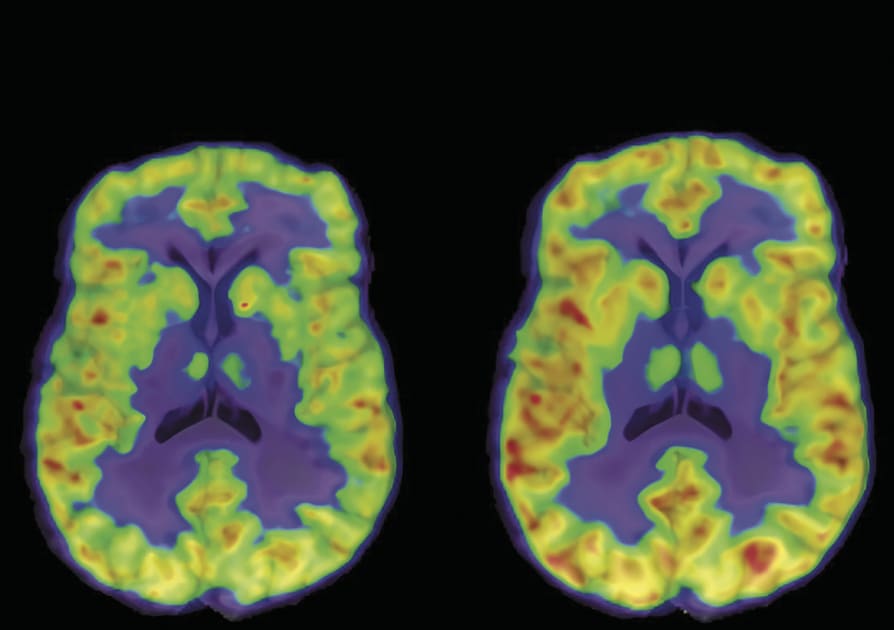
The field of psychiatry is witnessing a transformative shift with the emergence of interventional psychiatry, a subspecialty aimed at treating major depressive disorder (MDD) in patients who have not responded to standard therapies. At the forefront of this movement is the collaboration between researchers and clinicians at Yale School of Medicine (YSM) and the Yale New Haven Psychiatric Hospital. Together, they are pioneering innovative treatment strategies for individuals suffering from treatment-resistant depression.
Interventional psychiatry seeks to address the significant gap in care affecting nearly one-third of patients with MDD, who do not benefit from traditional psychotherapy or antidepressant medications. According to the World Health Organization, MDD is a leading cause of disability worldwide, costing the U.S. economy over $333 billion in 2019 alone. Symptoms extend beyond persistent sadness, often including low energy, sleep disturbances, and suicidal thoughts, rendering the disorder a substantial societal burden.
Dr. Rachel Katz, an assistant professor of psychiatry at YSM, emphasizes the unique hybrid research-clinical model of their Interventional Psychiatry Service. “Our program is distinctive because our research directly informs our clinical practices,” she explains. This integrated approach allows for rapid advancements in treatment options available to patients.
Innovative Treatments for Depression
Interventional psychiatry employs cutting-edge techniques that specifically target the brain circuits involved in psychiatric disorders. Although the term was coined around 2009, many of the treatments have been in use for decades. Electroconvulsive therapy (ECT) was first discovered in 1938, while transcranial magnetic stimulation (TMS) has been utilized since the 1980s, initially for stroke rehabilitation and now for treating mood disorders.
Yale researchers were pioneers in identifying the potential of ketamine in the 1990s, which has fast-acting antidepressant properties. Dr. Gerard Sanacora, co-director of the Interventional Psychiatry Service, notes, “The unification of these treatments under interventional psychiatry is a recent innovation.” The service at Yale, established in 2013, has since expanded to include a range of interventions, from ECT and TMS to intravenous ketamine therapy and esketamine nasal spray.
A critical aspect of Yale’s program is the cross-training of practitioners in various treatment modalities. Dr. Robert Ostroff, co-medical director of the service, highlights the importance of flexible treatment options tailored to individual patient needs. “We ensure our team is comfortable with all interventions, promoting a comprehensive approach to care,” he states.
Research Paving the Way Forward
Research within the Yale Depression Research Program has been ongoing since the 1990s, culminating in significant findings regarding ketamine’s mechanism of action. Traditional antidepressants primarily target serotonin, often taking weeks to show effects, whereas ketamine modulates the brain’s glutamatergic system, providing relief within hours.
In a pivotal 2000 study, the Yale team demonstrated that ketamine could rapidly alleviate symptoms of severe depression, sparking widespread interest in its therapeutic potential. This research ultimately contributed to the U.S. Food and Drug Administration (FDA) approval of esketamine in 2019 for treatment-resistant depression, marking a significant milestone in psychiatric care.
Recent studies from YSM have focused on the safety and efficacy of esketamine, analyzing data from over 58,000 patients who received more than 1.4 million doses since its approval. The goal is to balance treatment effectiveness with potential risks, addressing concerns about misuse and ensuring proper clinical application.
Dr. Sophie Holmes, who oversees research on depression mechanisms, is also exploring how ketamine influences neuroplasticity. Using advanced imaging techniques, her team aims to visualize the restoration of neuronal connections, shedding light on how these treatments can rebuild brain circuitry affected by depression.
The program is set to launch several new clinical trials, including studies on the use of psilocybin, the psychoactive component in “magic mushrooms,” and a new oral antidepressant that mimics ketamine’s effects. These investigations reflect a broader commitment to exploring innovative therapies that could reshape the landscape of depression treatment.
With ongoing advancements in interventional psychiatry, the future looks promising for those grappling with MDD. As Dr. Katz notes, “We are learning more and more about how to get people well quickly, and how to do so safely.” The integration of novel treatment approaches offers new hope for patients facing the challenges of treatment-resistant depression, potentially alleviating the burden of this pervasive mental health issue.

Cosmic Mystery Deepens: Where Are the Universe’s Defects?

Lady Bulldogs Shine in Postseason Awards Following Final Four Run

CALV Hosts Essential Class for Local Real Estate Professionals

Urgent Alert: “Spaving” Surges as Shoppers Overspend Online

Jefferies Initiates Coverage on Insmed with “Buy” Rating

Three Dog Night to Perform with Ambrosia at Mayo Civic Center

Urgent Announcement: Charles M. Payment Passes Away at 78

Houston Education Foundation Donates $4,592 for Student Programs

Beeks Financial Cloud Shares Drop 7% Amid Increased Trading Volume

Foreign Inflows into Japan Stocks Surge to ¥1.34 Trillion

University of Hawaiʻi Joins $25.6M AI Project to Monitor Disasters

Sydney Sweeney Embraces Body Positivity Amid Hollywood Challenges

Hudson Williams Gains Popularity as Breakout Star on Heated Rivalry

Urgent Farewell: Joleen Chaney Leaves Legacy at KFOR

Boeing’s Merger with McDonnell Douglas: A Strategic Move Explained

$1.25M Grant Advances Hawaiʻi’s Real-Time Hazard Monitoring

Derrick Dove and ABAC Band Set for Free Americana Concert

BOYNEXTDOOR’s Jaehyun Faces Backlash Amid BTS-TWICE Controversy
-
Business9 months ago
Foreign Inflows into Japan Stocks Surge to ¥1.34 Trillion
-
Science9 months ago
University of Hawaiʻi Joins $25.6M AI Project to Monitor Disasters
-
 Entertainment9 months ago
Sydney Sweeney Embraces Body Positivity Amid Hollywood Challenges
-
 Entertainment7 months ago
Hudson Williams Gains Popularity as Breakout Star on Heated Rivalry
-
 Top Stories8 months ago
Urgent Farewell: Joleen Chaney Leaves Legacy at KFOR
-
 World9 months ago
Boeing’s Merger with McDonnell Douglas: A Strategic Move Explained
-
 Science7 months ago
$1.25M Grant Advances Hawaiʻi’s Real-Time Hazard Monitoring
-
 Entertainment8 months ago
Derrick Dove and ABAC Band Set for Free Americana Concert
-
 Top Stories9 months ago
BOYNEXTDOOR’s Jaehyun Faces Backlash Amid BTS-TWICE Controversy
-

 Health6 months ago
Bodybuilder Eugene Teo Transitions to Mindful Movement for Health
-

 World6 months ago
San Francisco Airport to Host 16 Nonstop Airlines to Europe in 2026
-

 Top Stories7 months ago
National Coast Guard Museum Set to Open in 2027 After Funding Secured