
Top Stories
Urgent Alert: Popular Fast Foods Contain Harmful Plastic Chemicals

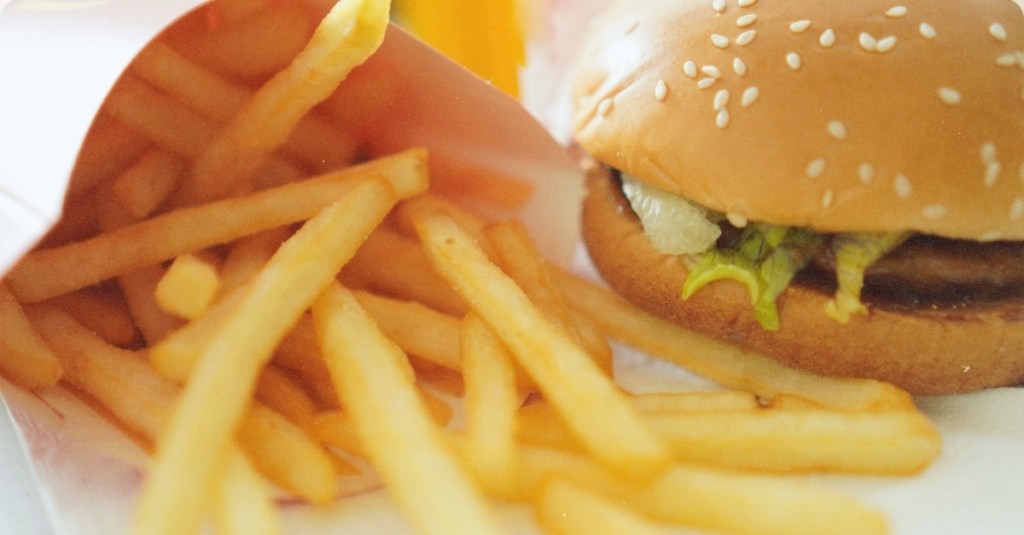
NEW REPORTS CONFIRM: Popular fast food items in the U.S. are loaded with harmful plastic chemicals, raising urgent health concerns. A shocking analysis reveals that these items contain high levels of phthalates, chemicals linked to serious health risks, including endocrine disruption and reproductive harm.
According to a recent study cited by Newsweek, researchers from the public database PlasticList found that these chemicals can leach into food during processing and packaging. David Andrews, acting chief science officer at the Environmental Working Group, stated, “Phthalates are still being detected in food because the FDA has not banned the use of these chemicals despite mounting evidence of human health harm.”
The report highlights several fast food items with alarmingly high levels of plastic-related chemicals:
1. Taco Bell Cantina Chicken Burrito: This item topped the list with more than 14,000 nanograms of di(2-ethylhexyl) phthalate (DEHP) per serving, ranking higher than over 90% of foods tested.
2. McDonald’s Quarter Pounder with Cheese: This burger showed an astonishing over 400,000 nanograms of bis(2-ethylhexyl) terephthalate (DEHT) per serving, indicating severe contamination levels.
3. Burger King Whopper with Cheese: A standout for DEHT, this burger reached levels in the millions of nanograms per serving, marking one of the highest recordings.
4. Burger King Chicken Nuggets: These nuggets were also found to contain elevated levels of multiple plastic chemicals, reflecting the risks associated with heavily processed foods.
5. Wendy’s Burgers: Several burgers from Wendy’s ranked high for DEHT and DEHA, with measurements again reaching millions of nanograms per serving.
6. Shake Shack Cheeseburgers and Vanilla Shakes: Shake Shack’s offerings showed DEHP levels higher than most tested foods, while their vanilla shakes contained significant DEHA levels.
These findings underscore a troubling reality: phthalates are prevalent in the industrial food system, from handling equipment to packaging. Susanne Brander, a professor at Oregon State University, explained that because phthalates aren’t chemically bound to plastics, they can easily leach out during food production.
Experts emphasize that avoiding plastic exposure entirely is unrealistic. However, the data highlights a larger systemic issue: the fast food industry relies heavily on plastic throughout every step of food preparation. Until substantial changes occur in the food system, consumers will continue to face exposure risks.
As awareness grows, it is crucial for diners to be informed about these health risks. The findings serve as an urgent reminder of the trade-offs involved in fast food consumption. Fast food lovers are encouraged to consider the implications of their choices, as the health effects of these chemicals can be severe and long-lasting.
Stay tuned for further developments on this pressing issue and consider sharing this critical information to raise awareness among friends and family.

Cosmic Mystery Deepens: Where Are the Universe’s Defects?

Lady Bulldogs Shine in Postseason Awards Following Final Four Run

CALV Hosts Essential Class for Local Real Estate Professionals

Urgent Alert: “Spaving” Surges as Shoppers Overspend Online

Jefferies Initiates Coverage on Insmed with “Buy” Rating

Three Dog Night to Perform with Ambrosia at Mayo Civic Center

Urgent Announcement: Charles M. Payment Passes Away at 78

Houston Education Foundation Donates $4,592 for Student Programs

Beeks Financial Cloud Shares Drop 7% Amid Increased Trading Volume

Foreign Inflows into Japan Stocks Surge to ¥1.34 Trillion

University of Hawaiʻi Joins $25.6M AI Project to Monitor Disasters

Sydney Sweeney Embraces Body Positivity Amid Hollywood Challenges

Hudson Williams Gains Popularity as Breakout Star on Heated Rivalry

Urgent Farewell: Joleen Chaney Leaves Legacy at KFOR

Boeing’s Merger with McDonnell Douglas: A Strategic Move Explained

$1.25M Grant Advances Hawaiʻi’s Real-Time Hazard Monitoring

Derrick Dove and ABAC Band Set for Free Americana Concert

BOYNEXTDOOR’s Jaehyun Faces Backlash Amid BTS-TWICE Controversy
-
Business9 months ago
Foreign Inflows into Japan Stocks Surge to ¥1.34 Trillion
-
Science8 months ago
University of Hawaiʻi Joins $25.6M AI Project to Monitor Disasters
-
 Entertainment9 months ago
Sydney Sweeney Embraces Body Positivity Amid Hollywood Challenges
-
 Entertainment7 months ago
Hudson Williams Gains Popularity as Breakout Star on Heated Rivalry
-
 Top Stories8 months ago
Urgent Farewell: Joleen Chaney Leaves Legacy at KFOR
-
 World9 months ago
Boeing’s Merger with McDonnell Douglas: A Strategic Move Explained
-
 Science7 months ago
$1.25M Grant Advances Hawaiʻi’s Real-Time Hazard Monitoring
-
 Entertainment8 months ago
Derrick Dove and ABAC Band Set for Free Americana Concert
-
 Top Stories9 months ago
BOYNEXTDOOR’s Jaehyun Faces Backlash Amid BTS-TWICE Controversy
-

 Health6 months ago
Bodybuilder Eugene Teo Transitions to Mindful Movement for Health
-

 World6 months ago
San Francisco Airport to Host 16 Nonstop Airlines to Europe in 2026
-

 Top Stories7 months ago
National Coast Guard Museum Set to Open in 2027 After Funding Secured