
Politics
HHS Proposes Stricter Drug Advertising Rules, Sparks Controversy

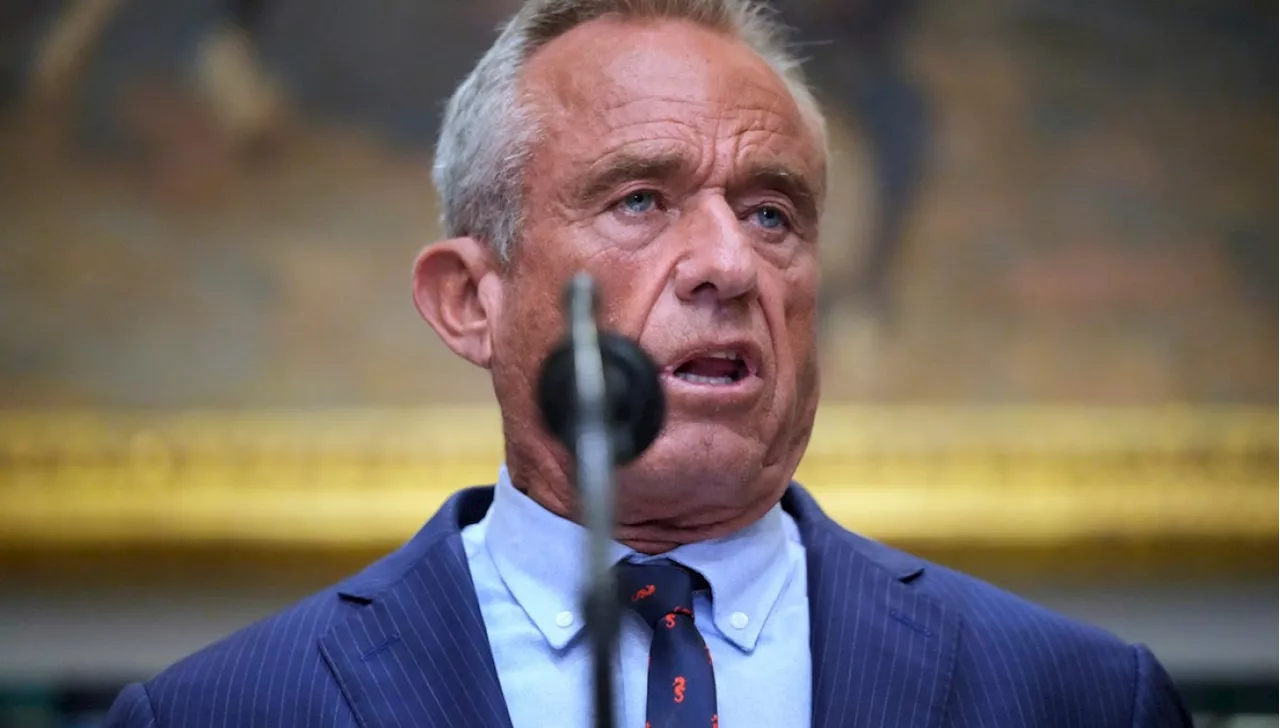
The U.S. Department of Health and Human Services (HHS) is facing significant backlash over its proposed reforms to drug advertising regulations. Critics argue that these changes could severely limit the ability of pharmaceutical companies to communicate crucial information about treatments to patients, ultimately hindering informed healthcare decisions.
Proponents of drug advertisements contend that these communications play a vital role in educating patients about new treatments. Supporters emphasize that direct-to-consumer (DTC) ads empower individuals to engage in informed discussions with their healthcare providers. Nevertheless, some regulators believe that companies exploit existing loopholes to promote their products without adequate disclosure.
Charlie Kirk, a prominent conservative commentator, raised concerns about the potential impact of HHS’s proposed regulations. He argues that these guidelines would impose “bewildering disclosure requirements” that could make legitimate advertising nearly impossible. Critics warn that excessive regulations could lead to a de facto ban on direct communications regarding medical products.
The landscape of drug advertising underwent significant changes in the mid-1990s. In 1995, a court ruling determined that the FDA’s restrictions on advertising were violating the First Amendment. This led to a compromise that allowed DTC ads to include a “major statement” of risks while directing consumers to more detailed information. This framework, established in 1997, has facilitated communication between pharmaceutical companies and consumers.
Should HHS attempt to reintroduce similar restrictions, legal experts predict swift judicial action. The proposed rules have raised pressing constitutional questions regarding free speech. The notion that consumers would be better off with less information about new therapies is being challenged. Advocates stress that withholding information does not enhance safety; rather, it silences necessary discussions that could be life-saving.
The suggested changes may appear technical but carry profound implications for the pharmaceutical industry. By imposing numerous new disclosure requirements within a short time frame, HHS could inadvertently stifle effective communication. Critics argue that an advertisement burdened with excessive mandated language cannot convey its intended message.
In previous rulings, the U.S. Supreme Court has reinforced the principle that the government cannot restrict speech merely because it may provoke a change in behavior. In a landmark decision, the Court struck down FDA regulations that effectively banned pharmacy ads, affirming that consumers require access to truthful information to make informed choices.
Despite the concerns raised by some officials about misleading advertisements, advocates for DTC advertising assert that the solution lies in increasing transparency rather than imposing silence. Studies have shown that DTC ads encourage millions of individuals to seek medical advice for conditions they might otherwise overlook, often resulting in earlier diagnoses and improved health outcomes.
As HHS moves forward with its proposed reforms, the need for a balanced approach becomes increasingly clear. While regulators have the authority to penalize false or misleading advertising, imposing overly restrictive rules undermines the core principles of free speech.
Censorship is not a viable solution to misinformation in a democratic society. Instead, enhancing transparency and fostering trust in the public’s right to know are essential steps toward ensuring that patients receive truthful, scientifically substantiated information about medical products that could significantly impact their health.

Cosmic Mystery Deepens: Where Are the Universe’s Defects?

Lady Bulldogs Shine in Postseason Awards Following Final Four Run

CALV Hosts Essential Class for Local Real Estate Professionals

Urgent Alert: “Spaving” Surges as Shoppers Overspend Online

Jefferies Initiates Coverage on Insmed with “Buy” Rating

Three Dog Night to Perform with Ambrosia at Mayo Civic Center

Urgent Announcement: Charles M. Payment Passes Away at 78

Houston Education Foundation Donates $4,592 for Student Programs

Beeks Financial Cloud Shares Drop 7% Amid Increased Trading Volume

Foreign Inflows into Japan Stocks Surge to ¥1.34 Trillion

University of Hawaiʻi Joins $25.6M AI Project to Monitor Disasters

Sydney Sweeney Embraces Body Positivity Amid Hollywood Challenges

Hudson Williams Gains Popularity as Breakout Star on Heated Rivalry

Urgent Farewell: Joleen Chaney Leaves Legacy at KFOR

Boeing’s Merger with McDonnell Douglas: A Strategic Move Explained

$1.25M Grant Advances Hawaiʻi’s Real-Time Hazard Monitoring

Derrick Dove and ABAC Band Set for Free Americana Concert

BOYNEXTDOOR’s Jaehyun Faces Backlash Amid BTS-TWICE Controversy
-
Business9 months ago
Foreign Inflows into Japan Stocks Surge to ¥1.34 Trillion
-
Science9 months ago
University of Hawaiʻi Joins $25.6M AI Project to Monitor Disasters
-
 Entertainment9 months ago
Sydney Sweeney Embraces Body Positivity Amid Hollywood Challenges
-
 Entertainment7 months ago
Hudson Williams Gains Popularity as Breakout Star on Heated Rivalry
-
 Top Stories8 months ago
Urgent Farewell: Joleen Chaney Leaves Legacy at KFOR
-
 World9 months ago
Boeing’s Merger with McDonnell Douglas: A Strategic Move Explained
-
 Science7 months ago
$1.25M Grant Advances Hawaiʻi’s Real-Time Hazard Monitoring
-
 Entertainment8 months ago
Derrick Dove and ABAC Band Set for Free Americana Concert
-
 Top Stories9 months ago
BOYNEXTDOOR’s Jaehyun Faces Backlash Amid BTS-TWICE Controversy
-

 Health6 months ago
Bodybuilder Eugene Teo Transitions to Mindful Movement for Health
-

 World6 months ago
San Francisco Airport to Host 16 Nonstop Airlines to Europe in 2026
-

 Top Stories7 months ago
National Coast Guard Museum Set to Open in 2027 After Funding Secured