
Politics
Navy Admiral Briefs Congress on Controversial Drug Strikes

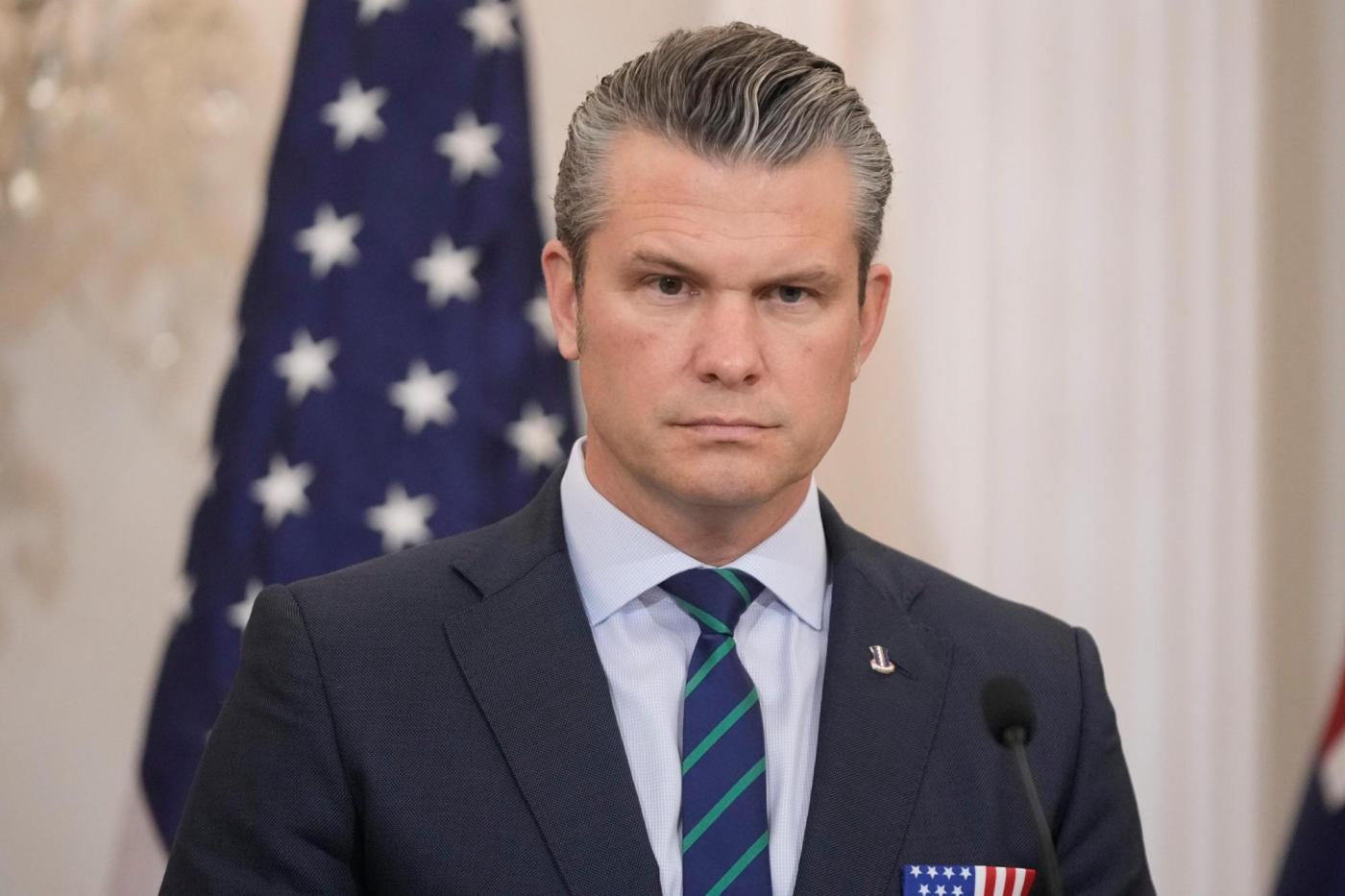
The U.S. Navy admiral overseeing operations against vessels allegedly transporting drugs near Venezuela provided testimony to Congress on Tuesday. This briefing comes as lawmakers seek greater clarity on military actions that have resulted in significant casualties, including the deaths of two survivors during an operation in September.
Adm. Alvin Holsey, who is set to retire from his position as head of U.S. Southern Command in the coming days, spoke during a classified video call with key members of the Senate Armed Services Committee. The aim was to address concerns regarding the military’s tactics and the broader objectives of President Donald Trump‘s campaign against drug trafficking in the region.
Senator Roger Wicker, the Republican chair of the committee, refrained from discussing the specifics of the call but praised Holsey as a dedicated public servant. Lawmakers are pressing the Pentagon for unedited video footage of the strikes and the orders that authorized these attacks, as part of the ongoing defense authorization bill discussions. Wicker mentioned that the Pentagon is reviewing whether the video contains “classified sections.”
The scrutiny surrounding the September 2 strike reflects growing legal concerns about the use of lethal force by U.S. military personnel. Legal experts suggest that the operation may have breached the legal frameworks governing military engagement. Lawmakers are also scheduled to receive a broader briefing on foreign policy and national security from Secretary of State Marco Rubio and Defense Secretary Pete Hegseth later in the day.
Senator Chris Coons, a Democrat from Delaware, voiced criticism of the campaign, stating, “They are using expensive, exquisite American military capabilities to kill people who are the equivalent of corner dealers and not making progress interdicting the trafficking by the cartels.”
The information lawmakers obtain from Holsey could clarify the rationale behind Trump’s military operations, which have reportedly targeted 22 boats and resulted in at least 87 deaths since their inception. In recent weeks, Trump has escalated his rhetoric against Venezuelan President Nicolás Maduro, including the deployment of a fleet of warships near the South American nation.
Adm. Holsey took command of U.S. Southern Command just over a year ago, yet in October, Defense Secretary Hegseth announced his early retirement. Holsey’s leadership has primarily focused on fostering stability and cooperation in the region. However, the drug boat campaign has introduced a more aggressive strategy, framing drug traffickers as direct threats to American lives. Officials have indicated that the military is applying the same rules of engagement as those used in the global war on terror.
Congressional representatives are questioning the intelligence used to justify military actions, particularly regarding the cargo of the targeted vessels. Investigations revealed that the boat destroyed in the September 2 strike was, in fact, heading south at the time of the attack, approaching another vessel reportedly bound for Suriname.
The potential for pushback against Trump’s military campaign from the Republican-controlled Congress remains uncertain. Senator Thom Tillis of North Carolina has expressed a need for comprehensive data to make informed conclusions about the operations.
In his defense of the September strike, Trump claimed that the two suspected drug smugglers were attempting to right their capsized boat after the initial attack. Yet, during a closed-door briefing, Adm. Frank “Mitch” Bradley, the special operations commander who ordered the follow-up strike, clarified that the action was taken to prevent cartel members from recovering cocaine from the vessel.
As Congress continues to seek transparency and accountability regarding military operations, the implications of this campaign on U.S. foreign policy and military engagement in Latin America remain a focal point for legislative review.

Cosmic Mystery Deepens: Where Are the Universe’s Defects?

Lady Bulldogs Shine in Postseason Awards Following Final Four Run

CALV Hosts Essential Class for Local Real Estate Professionals

Urgent Alert: “Spaving” Surges as Shoppers Overspend Online

Jefferies Initiates Coverage on Insmed with “Buy” Rating

Three Dog Night to Perform with Ambrosia at Mayo Civic Center

Urgent Announcement: Charles M. Payment Passes Away at 78

Houston Education Foundation Donates $4,592 for Student Programs

Beeks Financial Cloud Shares Drop 7% Amid Increased Trading Volume

Foreign Inflows into Japan Stocks Surge to ¥1.34 Trillion

University of Hawaiʻi Joins $25.6M AI Project to Monitor Disasters

Sydney Sweeney Embraces Body Positivity Amid Hollywood Challenges

Hudson Williams Gains Popularity as Breakout Star on Heated Rivalry

Urgent Farewell: Joleen Chaney Leaves Legacy at KFOR

Boeing’s Merger with McDonnell Douglas: A Strategic Move Explained

$1.25M Grant Advances Hawaiʻi’s Real-Time Hazard Monitoring

Derrick Dove and ABAC Band Set for Free Americana Concert

BOYNEXTDOOR’s Jaehyun Faces Backlash Amid BTS-TWICE Controversy
-
Business9 months ago
Foreign Inflows into Japan Stocks Surge to ¥1.34 Trillion
-
Science9 months ago
University of Hawaiʻi Joins $25.6M AI Project to Monitor Disasters
-
 Entertainment9 months ago
Sydney Sweeney Embraces Body Positivity Amid Hollywood Challenges
-
 Entertainment7 months ago
Hudson Williams Gains Popularity as Breakout Star on Heated Rivalry
-
 Top Stories8 months ago
Urgent Farewell: Joleen Chaney Leaves Legacy at KFOR
-
 World9 months ago
Boeing’s Merger with McDonnell Douglas: A Strategic Move Explained
-
 Science7 months ago
$1.25M Grant Advances Hawaiʻi’s Real-Time Hazard Monitoring
-
 Entertainment8 months ago
Derrick Dove and ABAC Band Set for Free Americana Concert
-
 Top Stories9 months ago
BOYNEXTDOOR’s Jaehyun Faces Backlash Amid BTS-TWICE Controversy
-

 Health6 months ago
Bodybuilder Eugene Teo Transitions to Mindful Movement for Health
-

 World6 months ago
San Francisco Airport to Host 16 Nonstop Airlines to Europe in 2026
-

 Top Stories7 months ago
National Coast Guard Museum Set to Open in 2027 After Funding Secured