
Politics
Pentagon’s Double-Tap Strikes Spark Outrage Among Lawmakers

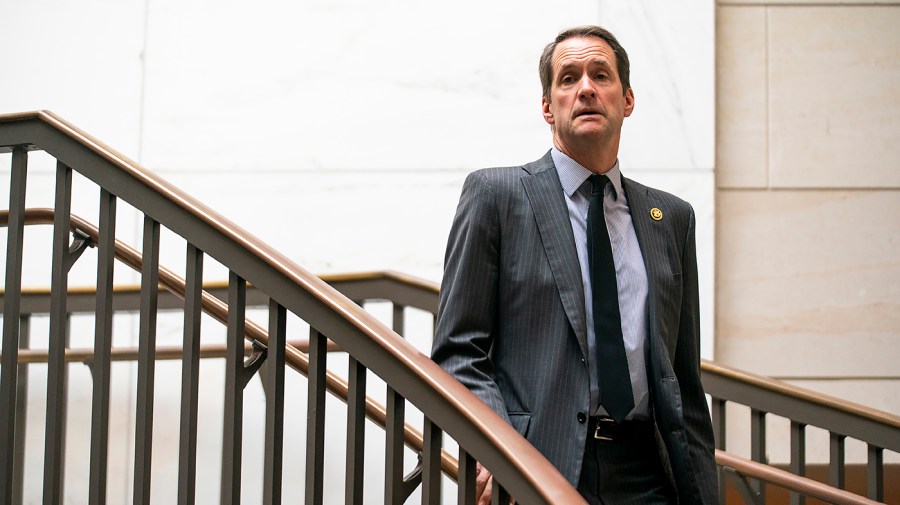
Rep. Jim Himes (D-Conn.), the senior Democrat on the U.S. House Intelligence Committee, expressed profound concern on January 25, 2024, over recent Pentagon airstrikes in the Caribbean. These strikes, described as double-tap attacks, targeted suspected drug runners but reportedly resulted in the deaths of individuals who were not active threats. Himes highlighted the moral implications of such operations, emphasizing the responsibility to protect innocent lives.
During a press conference, Himes stated, “We killed two people who were in deep distress.” His comments reflect a growing unease among lawmakers regarding the use of military force in situations where civilians may be at risk. The Pentagon’s actions have ignited a debate about accountability and the ethical boundaries of military engagement.
Himes was not alone in his criticism. Several members of Congress have raised questions about the decision-making process that led to these strikes. Lawmakers are concerned that the targeting of individuals in distress, particularly those who pose no immediate threat, undermines the principles of proportionality and distinction in military operations.
The Pentagon has defended its actions, claiming that the strikes were necessary to combat drug trafficking that poses a risk to national security. However, Himes and others argue that the potential harm to civilians must be carefully weighed against any perceived security benefits.
As discussions continue, Himes emphasized the need for a thorough investigation into the circumstances surrounding these strikes. He called for greater transparency and accountability from military leaders to ensure that similar incidents do not occur in the future.
The incident has prompted renewed scrutiny of U.S. military operations abroad, particularly in regions where the line between combatants and non-combatants can become blurred. Lawmakers are advocating for a reevaluation of current military engagement policies to prioritize the protection of innocent lives.
In light of these developments, the ongoing dialogue surrounding U.S. military strategy reflects broader concerns about the impact of military actions on civilian populations. The situation in the Caribbean serves as a reminder of the complexities inherent in modern warfare and the ethical responsibilities that accompany the use of force.
As Congress prepares to address these issues, Himes’ remarks underscore the importance of ensuring that U.S. military operations align with both national security interests and humanitarian principles.

Cosmic Mystery Deepens: Where Are the Universe’s Defects?

Lady Bulldogs Shine in Postseason Awards Following Final Four Run

CALV Hosts Essential Class for Local Real Estate Professionals

Urgent Alert: “Spaving” Surges as Shoppers Overspend Online

Jefferies Initiates Coverage on Insmed with “Buy” Rating

Three Dog Night to Perform with Ambrosia at Mayo Civic Center

Urgent Announcement: Charles M. Payment Passes Away at 78

Houston Education Foundation Donates $4,592 for Student Programs

Beeks Financial Cloud Shares Drop 7% Amid Increased Trading Volume

Foreign Inflows into Japan Stocks Surge to ¥1.34 Trillion

University of Hawaiʻi Joins $25.6M AI Project to Monitor Disasters

Sydney Sweeney Embraces Body Positivity Amid Hollywood Challenges

Hudson Williams Gains Popularity as Breakout Star on Heated Rivalry

Urgent Farewell: Joleen Chaney Leaves Legacy at KFOR

Boeing’s Merger with McDonnell Douglas: A Strategic Move Explained

$1.25M Grant Advances Hawaiʻi’s Real-Time Hazard Monitoring

Derrick Dove and ABAC Band Set for Free Americana Concert

BOYNEXTDOOR’s Jaehyun Faces Backlash Amid BTS-TWICE Controversy
-
Business9 months ago
Foreign Inflows into Japan Stocks Surge to ¥1.34 Trillion
-
Science8 months ago
University of Hawaiʻi Joins $25.6M AI Project to Monitor Disasters
-
 Entertainment9 months ago
Sydney Sweeney Embraces Body Positivity Amid Hollywood Challenges
-
 Entertainment7 months ago
Hudson Williams Gains Popularity as Breakout Star on Heated Rivalry
-
 Top Stories8 months ago
Urgent Farewell: Joleen Chaney Leaves Legacy at KFOR
-
 World9 months ago
Boeing’s Merger with McDonnell Douglas: A Strategic Move Explained
-
 Science7 months ago
$1.25M Grant Advances Hawaiʻi’s Real-Time Hazard Monitoring
-
 Entertainment8 months ago
Derrick Dove and ABAC Band Set for Free Americana Concert
-
 Top Stories9 months ago
BOYNEXTDOOR’s Jaehyun Faces Backlash Amid BTS-TWICE Controversy
-

 Health6 months ago
Bodybuilder Eugene Teo Transitions to Mindful Movement for Health
-

 World6 months ago
San Francisco Airport to Host 16 Nonstop Airlines to Europe in 2026
-

 Top Stories7 months ago
National Coast Guard Museum Set to Open in 2027 After Funding Secured