
World
Unveiling the Strategic Role of US Air Bases in the Pacific

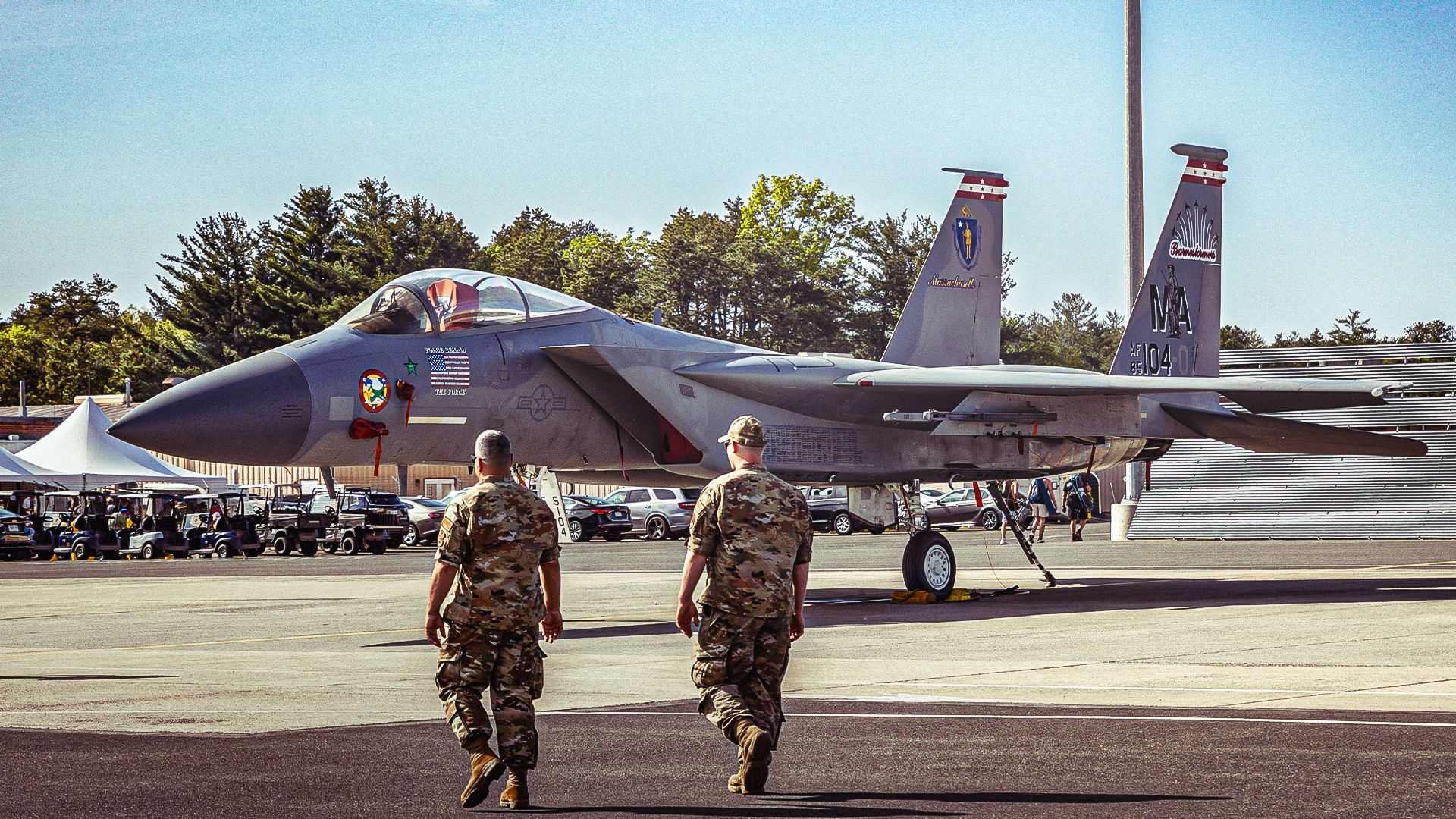
The United States operates a network of military air bases across the Pacific, crucial for its defense strategy and regional influence. These installations support air assets from the Air Force, Marine Corps, Navy, and Army, and their roles range from logistical support to direct military engagement. This article explores the strategic significance of these bases, focusing on their locations and operational capabilities.
Japan’s Vital Role in US Military Strategy
Japan serves as a cornerstone of the US military presence in East Asia, hosting approximately 105 fighter jets from various branches of the military. Major bases include Misawa Air Base, where F-16s are stationed, and Marine Corps Air Station (MCAS) Iwakuni, which hosts F-35Bs and F/A-18s. The Yokota Air Base functions as a logistical hub, vital for the rapid deployment of troops and supplies.
Misawa Air Base has been transitioning to F-35As, focusing on electronic warfare and air defense suppression, thus enhancing the US response capabilities in the region. The Japan Air Self-Defense Force collaborates closely with US forces at several other bases, including Nyutabaru, Tsuiki, and Hyakuri airfields, which play significant roles in US contingency planning.
In Okinawa, although there are no permanently stationed fighter jets, Kadena Air Base is referred to as the “Keystone of the Pacific.” It supports air superiority and intelligence, surveillance, and reconnaissance (ISR) operations with F-15EX, F-22, and F-35A fighter jets rotated through the base. The 18th Wing, based at Kadena, operates various support aircraft, making it the largest US Air Force base in the Pacific.
Strategic Bases in the Western Pacific
Further west, Andersen Air Force Base in Guam is often dubbed the US’s “unsinkable aircraft carrier” in the Pacific. While it does not host any permanently stationed fighter jets, it is a key launch point for the Continuous Bomber Presence, with F-22s and F-35s regularly rotated through the base. The facility is critical for logistics and refueling in the event of a conflict, particularly in the Western Pacific.
In South Korea, approximately 70-75 fighter jets are permanently based across several air bases, primarily for deterring North Korea. Osan Air Base, just 48 miles from the Demilitarized Zone (DMZ), hosts F-16s and plays a crucial role in direct defense operations. Kunsan Air Base, also home to F-16s, reinforces the US military’s commitment to regional security.
The presence of the US Army is also notable in South Korea, particularly at Camp Humphreys, the largest overseas US base, which supports various aviation units, including the 2nd Combat Aviation Brigade with AH-64 Apache helicopters.
Collaborative Presence in Australia and Southeast Asia
While the US does not maintain permanent air bases in Australia, the nation has become increasingly important as the US military adopts an “Agile Combat Employment” strategy. Facilities such as RAAF Base Tindal and RAAF Base Darwin play essential roles in staging operations and training exercises. The US has upgraded infrastructure at these bases to enhance strategic depth in the region.
In Singapore, the US has access to Paya Lebar Air Base, where a small training unit operates. This base, located near the Straits of Malacca, is vital for logistics and refueling across Southeast Asia, facilitating US military operations in a critical maritime corridor.
The US military presence in the Philippines has evolved significantly since the end of the Cold War. Although the Philippines ended long-term basing rights in 1992, the US still maintains a military presence through the 1951 Mutual Defense Treaty. The Visiting Forces Agreement (VFA) and Enhanced Defense Cooperation Agreement (EDCA) enable the US to use and upgrade facilities at bases like Basa Air Base and Clark Air Base, allowing for a substantial military footprint.
Hawaii: The Central Command of the Pacific Theater
Hawaii serves as a strategic hub for US military operations in the Pacific, housing approximately 20 fighter jets at Joint Base Pearl Harbor-Hickam on Oahu. This base, shared between the Navy and Air Force, is crucial for air operations and logistics, supporting both the 15th Wing and a variety of other aircraft.
Additional military installations in Hawaii, such as the Pacific Missile Range Facility and MCAS Kaneohe Bay, further reinforce the state’s importance in US strategic planning. Hawaii not only acts as a fallback position but also plays a crucial role in coordinating military activities across the Pacific.
The comprehensive network of US military air bases in the Pacific underscores the United States’ commitment to regional stability and defense partnerships. By maintaining a robust presence at these strategic locations, the US aims to deter potential threats and ensure its readiness to respond to any crisis in the region.

Cosmic Mystery Deepens: Where Are the Universe’s Defects?

Lady Bulldogs Shine in Postseason Awards Following Final Four Run

CALV Hosts Essential Class for Local Real Estate Professionals

Urgent Alert: “Spaving” Surges as Shoppers Overspend Online

Jefferies Initiates Coverage on Insmed with “Buy” Rating

Three Dog Night to Perform with Ambrosia at Mayo Civic Center

Urgent Announcement: Charles M. Payment Passes Away at 78

Houston Education Foundation Donates $4,592 for Student Programs

Beeks Financial Cloud Shares Drop 7% Amid Increased Trading Volume

Foreign Inflows into Japan Stocks Surge to ¥1.34 Trillion

University of Hawaiʻi Joins $25.6M AI Project to Monitor Disasters

Sydney Sweeney Embraces Body Positivity Amid Hollywood Challenges

Hudson Williams Gains Popularity as Breakout Star on Heated Rivalry

Urgent Farewell: Joleen Chaney Leaves Legacy at KFOR

Boeing’s Merger with McDonnell Douglas: A Strategic Move Explained

$1.25M Grant Advances Hawaiʻi’s Real-Time Hazard Monitoring

Derrick Dove and ABAC Band Set for Free Americana Concert

BOYNEXTDOOR’s Jaehyun Faces Backlash Amid BTS-TWICE Controversy
-
Business9 months ago
Foreign Inflows into Japan Stocks Surge to ¥1.34 Trillion
-
Science8 months ago
University of Hawaiʻi Joins $25.6M AI Project to Monitor Disasters
-
 Entertainment9 months ago
Sydney Sweeney Embraces Body Positivity Amid Hollywood Challenges
-
 Entertainment7 months ago
Hudson Williams Gains Popularity as Breakout Star on Heated Rivalry
-
 Top Stories8 months ago
Urgent Farewell: Joleen Chaney Leaves Legacy at KFOR
-
 World9 months ago
Boeing’s Merger with McDonnell Douglas: A Strategic Move Explained
-
 Science7 months ago
$1.25M Grant Advances Hawaiʻi’s Real-Time Hazard Monitoring
-
 Entertainment8 months ago
Derrick Dove and ABAC Band Set for Free Americana Concert
-
 Top Stories9 months ago
BOYNEXTDOOR’s Jaehyun Faces Backlash Amid BTS-TWICE Controversy
-

 Health6 months ago
Bodybuilder Eugene Teo Transitions to Mindful Movement for Health
-

 World6 months ago
San Francisco Airport to Host 16 Nonstop Airlines to Europe in 2026
-

 Top Stories7 months ago
National Coast Guard Museum Set to Open in 2027 After Funding Secured