
World
UK Government Borrowing Hits £20.2 Billion in September Surge

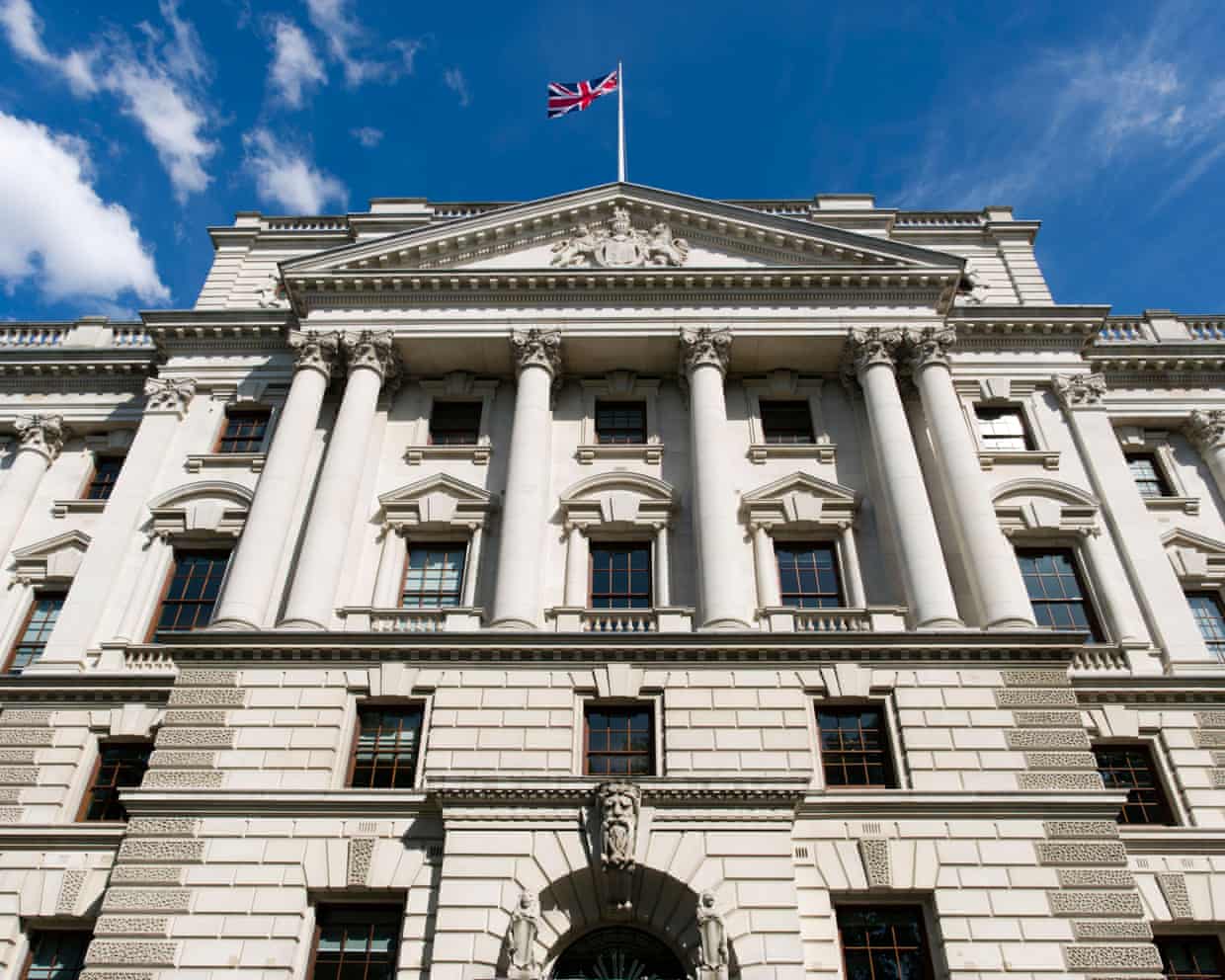
Government borrowing in the United Kingdom surged to its highest level in five years for the month of September, reaching a staggering £20.2 billion. This increase reflects rising debt interest costs and a significant uptick in welfare payments, pushing the public finances further into deficit. According to figures released by the Office for National Statistics (ONS), public sector net borrowing—the gap between public spending and income—rose by £1.6 billion compared to the same month last year, marking the highest September borrowing since 2020.
The ONS reported that despite a rise in tax receipts, these gains were insufficient to counterbalance the dramatic increase in debt interest costs and welfare expenditures, which have largely escalated due to persistent inflation. Analysts surveyed by Reuters had anticipated borrowing would be slightly higher, projecting £20.8 billion for the month.
As it stands, total borrowing for the current financial year has reached £99.8 billion, which is £7.2 billion above the forecast set by the Office for Budget Responsibility (OBR) in March. This development presents a significant challenge for the Chancellor of the Exchequer, Rachel Reeves, as she prepares for her budget announcement scheduled for November 26, 2023.
Despite a recent decline in UK borrowing costs on international money markets, the interest obligations remain at historically high levels. Projections indicate that annual borrowing could surpass £100 billion this year, approaching 10% of the national budget. This situation is likely to constrain expenditure capabilities for various departments within Whitehall.
In her forthcoming budget, Reeves is expected to confront a deficit estimated between £20 billion and £40 billion. To address this shortfall, she has hinted at potential significant tax increases and a revival of initiatives aimed at reducing welfare costs, particularly in light of a troubling downgrade to the OBR’s productivity forecast.
The UK economy experienced modest growth of 0.1% in August, although a downgrade of growth figures from July has tempered the overall three-month growth rate to just 0.3%. As the government navigates these financial challenges, the implications for public spending and welfare programs remain a critical concern for both policymakers and citizens alike.

Cosmic Mystery Deepens: Where Are the Universe’s Defects?

Lady Bulldogs Shine in Postseason Awards Following Final Four Run

CALV Hosts Essential Class for Local Real Estate Professionals

Urgent Alert: “Spaving” Surges as Shoppers Overspend Online

Jefferies Initiates Coverage on Insmed with “Buy” Rating

Three Dog Night to Perform with Ambrosia at Mayo Civic Center

Urgent Announcement: Charles M. Payment Passes Away at 78

Houston Education Foundation Donates $4,592 for Student Programs

Beeks Financial Cloud Shares Drop 7% Amid Increased Trading Volume

Foreign Inflows into Japan Stocks Surge to ¥1.34 Trillion

University of Hawaiʻi Joins $25.6M AI Project to Monitor Disasters

Sydney Sweeney Embraces Body Positivity Amid Hollywood Challenges

Hudson Williams Gains Popularity as Breakout Star on Heated Rivalry

Urgent Farewell: Joleen Chaney Leaves Legacy at KFOR

Boeing’s Merger with McDonnell Douglas: A Strategic Move Explained

$1.25M Grant Advances Hawaiʻi’s Real-Time Hazard Monitoring

Derrick Dove and ABAC Band Set for Free Americana Concert

BOYNEXTDOOR’s Jaehyun Faces Backlash Amid BTS-TWICE Controversy
-
Business9 months ago
Foreign Inflows into Japan Stocks Surge to ¥1.34 Trillion
-
Science8 months ago
University of Hawaiʻi Joins $25.6M AI Project to Monitor Disasters
-
 Entertainment9 months ago
Sydney Sweeney Embraces Body Positivity Amid Hollywood Challenges
-
 Entertainment7 months ago
Hudson Williams Gains Popularity as Breakout Star on Heated Rivalry
-
 Top Stories8 months ago
Urgent Farewell: Joleen Chaney Leaves Legacy at KFOR
-
 World9 months ago
Boeing’s Merger with McDonnell Douglas: A Strategic Move Explained
-
 Science7 months ago
$1.25M Grant Advances Hawaiʻi’s Real-Time Hazard Monitoring
-
 Entertainment8 months ago
Derrick Dove and ABAC Band Set for Free Americana Concert
-
 Top Stories9 months ago
BOYNEXTDOOR’s Jaehyun Faces Backlash Amid BTS-TWICE Controversy
-

 Health6 months ago
Bodybuilder Eugene Teo Transitions to Mindful Movement for Health
-

 World6 months ago
San Francisco Airport to Host 16 Nonstop Airlines to Europe in 2026
-

 Top Stories7 months ago
National Coast Guard Museum Set to Open in 2027 After Funding Secured