
World
U.S. Will Maintain Oil Sanctions on Venezuela, Troops Possible

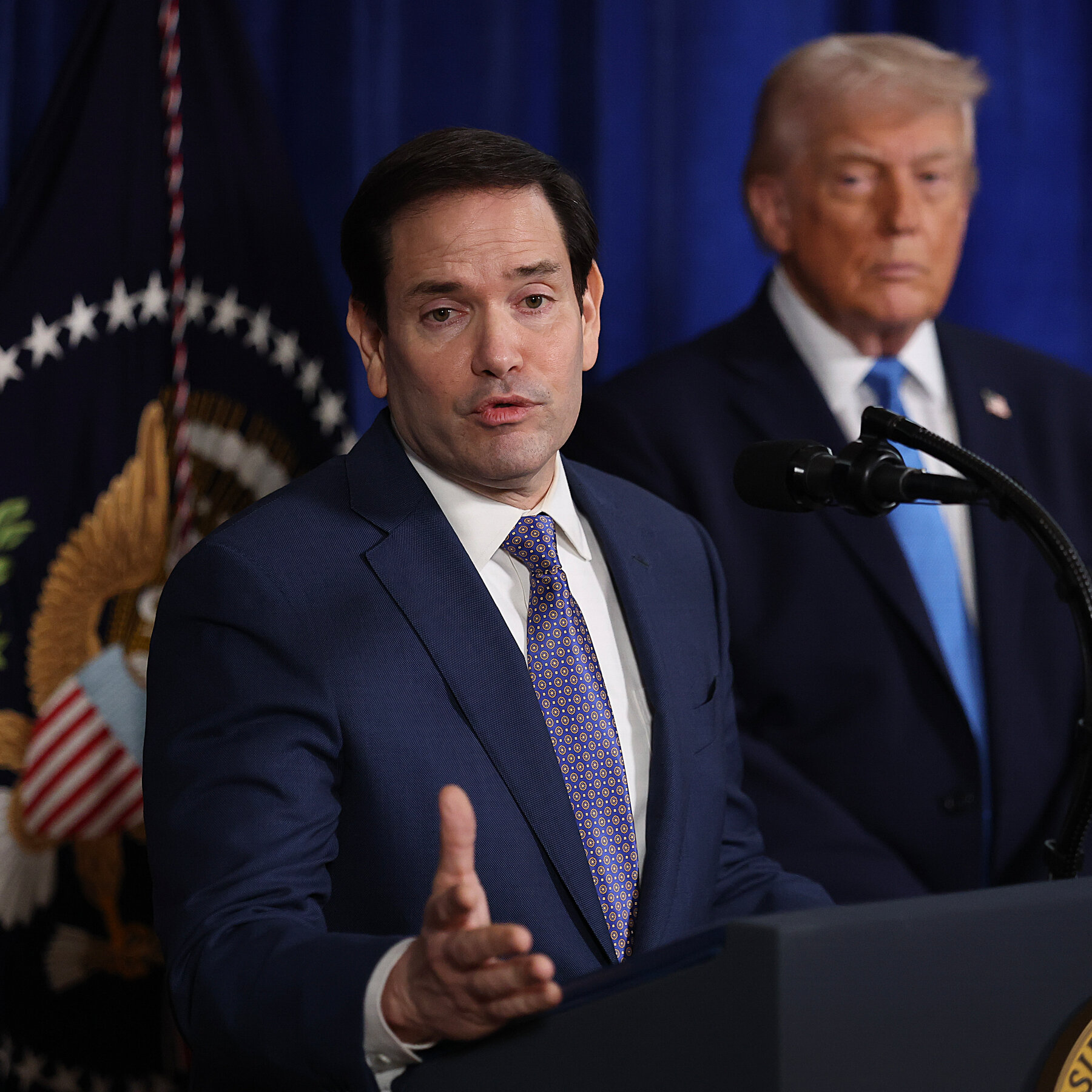
The U.S. will continue its oil sanctions against Venezuela, according to Secretary of State Marco Rubio. In a recent statement, Rubio emphasized that the Trump administration plans to collaborate with Venezuela’s acting leader, Delcy Rodríguez, who is closely aligned with President Nicolás Maduro, to attract foreign investment into the country’s struggling oil sector.
The sanctions are part of a broader strategy aimed at exerting economic pressure on the Maduro regime. Rubio indicated that the administration remains committed to isolating Venezuela economically while seeking opportunities to engage with alternative leadership. The potential for U.S. military involvement was also suggested, signaling a readiness to take additional measures if necessary.
Venezuela, once a significant player in the global oil market, has seen its production plummet due to years of mismanagement and sanctions. Currently, the country produces around 400,000 barrels per day, a stark contrast to the production levels of over 3 million barrels per day in the early 2000s. Analysts suggest that foreign investment is crucial for revitalizing the oil industry, which could help alleviate the severe economic crisis affecting the nation.
In light of these developments, the U.S. administration is considering the deployment of troops as part of its strategy. While no specific plans have been announced, the mention of military options underscores the seriousness with which the U.S. views the situation in Venezuela.
The Trump administration’s approach marks a significant shift in U.S. foreign policy towards Venezuela, which has been embroiled in political turmoil and economic collapse for several years. Rubio’s comments reflect an ongoing commitment to support opposition leaders and promote democratic governance in the region.
Concerns about humanitarian conditions in Venezuela remain paramount. The economic crisis has led to widespread shortages of basic goods, food, and medicine, resulting in significant suffering for the Venezuelan population. The U.S. has previously stated that any potential military action would prioritize humanitarian considerations.
International reactions to U.S. policy on Venezuela have been mixed. Some countries support the sanctions as a method to restore democracy, while others criticize them as exacerbating the humanitarian crisis. The complexity of Venezuela’s situation requires a careful balance between diplomatic efforts and the potential for military intervention.
As the U.S. continues to navigate its relationship with Venezuela, the focus remains on finding a viable path to restore stability and support the Venezuelan people. The coming months will be crucial in determining the effectiveness of these strategies and their impact on both the Venezuelan oil industry and its citizens.

Cosmic Mystery Deepens: Where Are the Universe’s Defects?

Lady Bulldogs Shine in Postseason Awards Following Final Four Run

CALV Hosts Essential Class for Local Real Estate Professionals

Urgent Alert: “Spaving” Surges as Shoppers Overspend Online

Jefferies Initiates Coverage on Insmed with “Buy” Rating

Three Dog Night to Perform with Ambrosia at Mayo Civic Center

Urgent Announcement: Charles M. Payment Passes Away at 78

Houston Education Foundation Donates $4,592 for Student Programs

Beeks Financial Cloud Shares Drop 7% Amid Increased Trading Volume

Foreign Inflows into Japan Stocks Surge to ¥1.34 Trillion

University of Hawaiʻi Joins $25.6M AI Project to Monitor Disasters

Sydney Sweeney Embraces Body Positivity Amid Hollywood Challenges

Hudson Williams Gains Popularity as Breakout Star on Heated Rivalry

Urgent Farewell: Joleen Chaney Leaves Legacy at KFOR

Boeing’s Merger with McDonnell Douglas: A Strategic Move Explained

$1.25M Grant Advances Hawaiʻi’s Real-Time Hazard Monitoring

Derrick Dove and ABAC Band Set for Free Americana Concert

BOYNEXTDOOR’s Jaehyun Faces Backlash Amid BTS-TWICE Controversy
-
Business9 months ago
Foreign Inflows into Japan Stocks Surge to ¥1.34 Trillion
-
Science8 months ago
University of Hawaiʻi Joins $25.6M AI Project to Monitor Disasters
-
 Entertainment9 months ago
Sydney Sweeney Embraces Body Positivity Amid Hollywood Challenges
-
 Entertainment7 months ago
Hudson Williams Gains Popularity as Breakout Star on Heated Rivalry
-
 Top Stories8 months ago
Urgent Farewell: Joleen Chaney Leaves Legacy at KFOR
-
 World9 months ago
Boeing’s Merger with McDonnell Douglas: A Strategic Move Explained
-
 Science7 months ago
$1.25M Grant Advances Hawaiʻi’s Real-Time Hazard Monitoring
-
 Entertainment8 months ago
Derrick Dove and ABAC Band Set for Free Americana Concert
-
 Top Stories9 months ago
BOYNEXTDOOR’s Jaehyun Faces Backlash Amid BTS-TWICE Controversy
-

 Health6 months ago
Bodybuilder Eugene Teo Transitions to Mindful Movement for Health
-

 World6 months ago
San Francisco Airport to Host 16 Nonstop Airlines to Europe in 2026
-

 Top Stories7 months ago
National Coast Guard Museum Set to Open in 2027 After Funding Secured