
World
Thailand Denies Trump’s Cease-Fire Claim Amid Ongoing Conflict

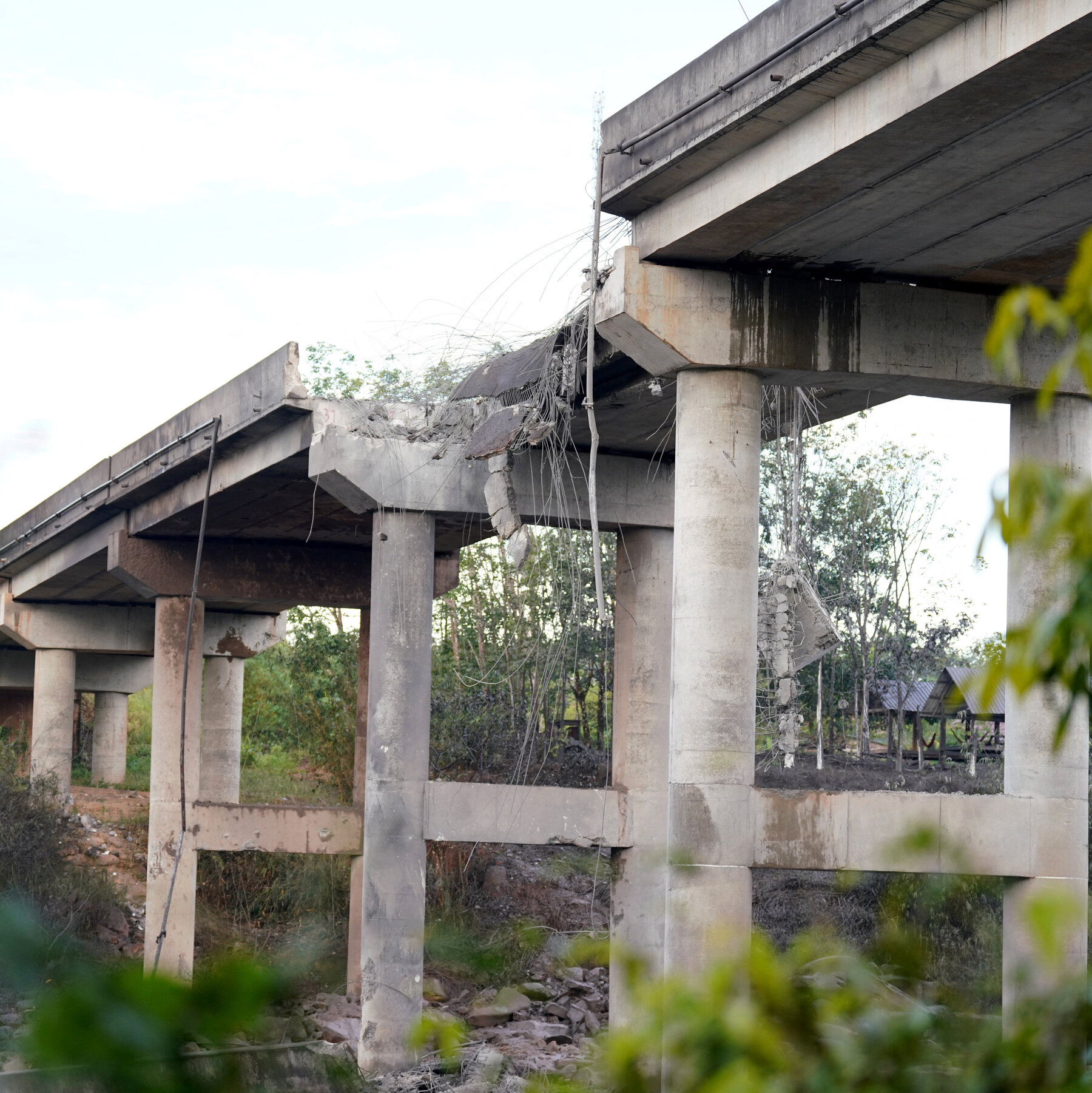
Thailand has officially rejected claims made by former U.S. President Donald Trump that a cease-fire agreement with Cambodia had been established. This statement came as reports indicated that hostilities between the two nations continued without interruption on the morning of March 2, 2024.
The tension between Thailand and Cambodia has been a long-standing issue, often rooted in territorial disputes and historical grievances. Following Trump’s assertions, which were made during a speech in the United States, Thai officials clarified the situation, emphasizing that no formal cease-fire had been negotiated.
In a press conference, Thai Foreign Minister Prajudhi Chaiyasan stated, “We have not reached any agreement that would halt military operations. The situation remains unchanged, and our military is prepared for any developments.” This response underscores the persistent volatility in the region, where military activities have reportedly escalated over recent weeks.
The conflict has drawn international attention, with various nations closely monitoring the developments. Observers note that while diplomatic efforts continue, the likelihood of a cease-fire remains uncertain. Analysts suggest that Trump’s public remarks may have unintentionally complicated the negotiations, as both Thailand and Cambodia navigate their diplomatic relations amid ongoing skirmishes.
Local sources indicate that military encounters have primarily occurred along the border, contributing to heightened tensions. Reports from both countries have confirmed exchanges of fire, leading to casualties among military personnel. The humanitarian implications of this conflict are also concerning, as civilians in border areas face disruptions and uncertainty due to the military actions.
The situation between Thailand and Cambodia has historical roots, with disputes over land and resources fueling animosity. In recent years, efforts to resolve these issues through diplomatic means have met with limited success, often stalling at critical junctures. The international community’s role in facilitating dialogue may prove crucial in moving towards a peaceful resolution.
As the situation evolves, both nations are urged to prioritize dialogue over military confrontation. Continued communication and engagement with international partners could provide a pathway to de-escalation. For now, the rejection of Trump’s claims highlights the complexities of Southeast Asian politics and the challenges of achieving lasting peace in a region marked by historical conflicts.
The world will be watching closely as Thailand and Cambodia navigate their relationship, hoping for a resolution that prioritizes peace and stability.

Cosmic Mystery Deepens: Where Are the Universe’s Defects?

Lady Bulldogs Shine in Postseason Awards Following Final Four Run

CALV Hosts Essential Class for Local Real Estate Professionals

Urgent Alert: “Spaving” Surges as Shoppers Overspend Online

Jefferies Initiates Coverage on Insmed with “Buy” Rating

Three Dog Night to Perform with Ambrosia at Mayo Civic Center

Urgent Announcement: Charles M. Payment Passes Away at 78

Houston Education Foundation Donates $4,592 for Student Programs

Beeks Financial Cloud Shares Drop 7% Amid Increased Trading Volume

Foreign Inflows into Japan Stocks Surge to ¥1.34 Trillion

University of Hawaiʻi Joins $25.6M AI Project to Monitor Disasters

Sydney Sweeney Embraces Body Positivity Amid Hollywood Challenges

Hudson Williams Gains Popularity as Breakout Star on Heated Rivalry

Urgent Farewell: Joleen Chaney Leaves Legacy at KFOR

Boeing’s Merger with McDonnell Douglas: A Strategic Move Explained

$1.25M Grant Advances Hawaiʻi’s Real-Time Hazard Monitoring

Derrick Dove and ABAC Band Set for Free Americana Concert

Bodybuilder Eugene Teo Transitions to Mindful Movement for Health
-
Business9 months ago
Foreign Inflows into Japan Stocks Surge to ¥1.34 Trillion
-
Science9 months ago
University of Hawaiʻi Joins $25.6M AI Project to Monitor Disasters
-
 Entertainment9 months ago
Sydney Sweeney Embraces Body Positivity Amid Hollywood Challenges
-
 Entertainment8 months ago
Hudson Williams Gains Popularity as Breakout Star on Heated Rivalry
-
 Top Stories9 months ago
Urgent Farewell: Joleen Chaney Leaves Legacy at KFOR
-
 World9 months ago
Boeing’s Merger with McDonnell Douglas: A Strategic Move Explained
-
 Science8 months ago
$1.25M Grant Advances Hawaiʻi’s Real-Time Hazard Monitoring
-
 Entertainment8 months ago
Derrick Dove and ABAC Band Set for Free Americana Concert
-

 Top Stories9 months ago
BOYNEXTDOOR’s Jaehyun Faces Backlash Amid BTS-TWICE Controversy
-
 Health6 months ago
Bodybuilder Eugene Teo Transitions to Mindful Movement for Health
-

 World7 months ago
San Francisco Airport to Host 16 Nonstop Airlines to Europe in 2026
-

 Top Stories7 months ago
National Coast Guard Museum Set to Open in 2027 After Funding Secured