
World
Nvidia AI Chips Face U.S. Security Review Before China Export

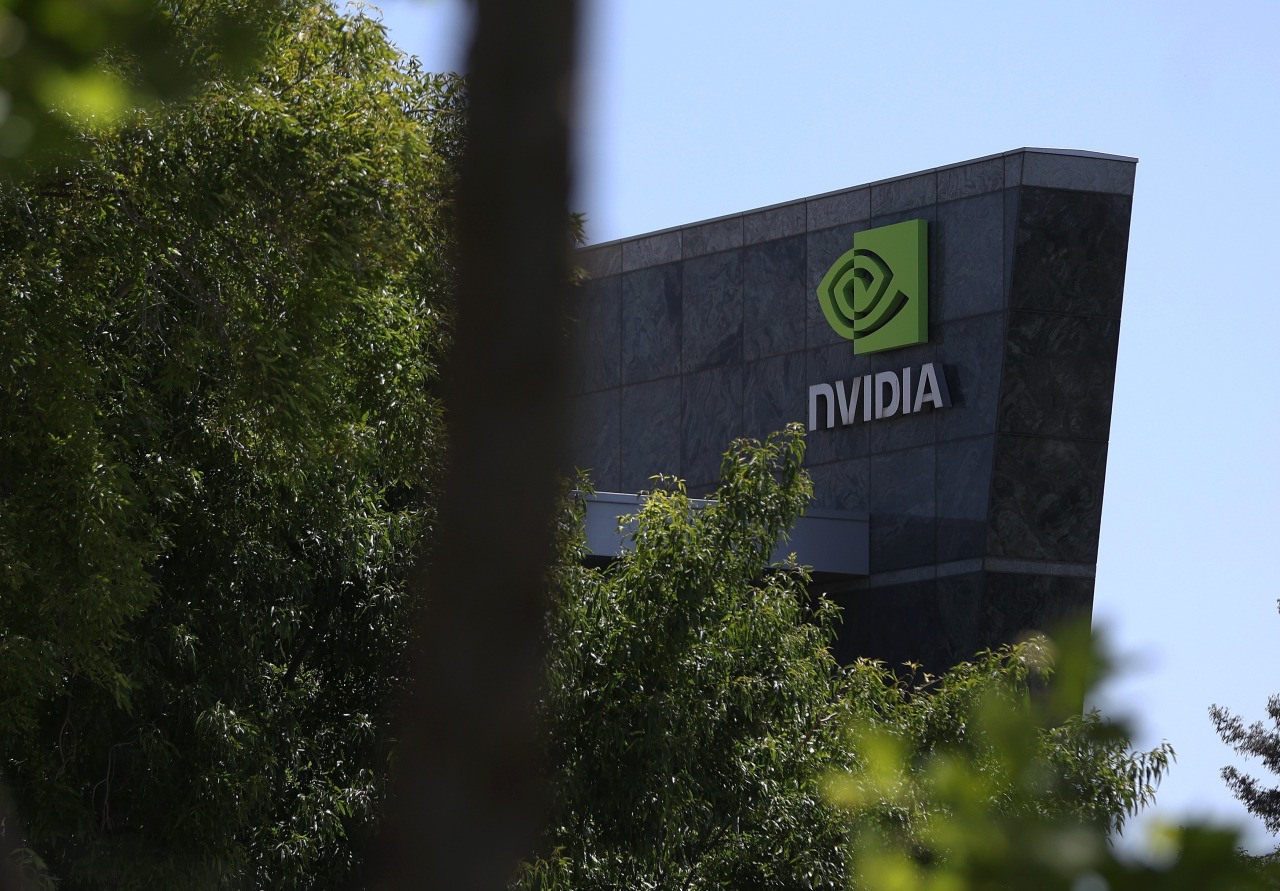
Nvidia’s advanced AI chips will undergo an unusual security review by the United States government prior to being exported to China. This decision reflects growing concerns about national security and technology transfer, particularly regarding sensitive AI technology that could impact global competitiveness and security.
The United States is taking proactive measures to ensure that the export of these chips does not pose a risk to its national interests. As part of this review, any chips shipped from Taiwan to the U.S. and then to China could potentially result in the U.S. government receiving a 25% cut of the sales. This approach aims to monitor and control the flow of crucial technology while also generating revenue for the government.
Nvidia, a leader in AI hardware, has been at the forefront of innovation, particularly with its GPUs, which are essential for various AI applications. The company has seen significant demand for its products, especially from sectors involved in machine learning and data analysis. The impending review might affect Nvidia’s business strategy and operational plans in Asia.
The U.S. Department of Commerce will lead this security review process, which is part of a broader trend where the U.S. is scrutinizing technology exports to China. This scrutiny aligns with efforts to protect intellectual property and maintain a competitive edge in technology. As a result, companies involved in the semiconductor industry must navigate a complex regulatory environment when engaging with international markets.
The decision to implement this security review is part of the U.S. government’s strategy to limit China’s access to advanced technologies that could enhance its military capabilities. By establishing stringent export controls, officials aim to prevent potential adversaries from leveraging U.S. technology for strategic gains.
While this review may create delays in the supply chain, it also underscores the importance of vigilance in technology transfer. As geopolitical tensions continue to rise, companies like Nvidia may find themselves adapting to a landscape where compliance and security are paramount.
The broader implications of this move could transform the semiconductor industry. As the U.S. government intensifies its focus on security reviews, companies may need to invest in compliance measures and adjust their business models accordingly. The industry must brace for potential disruptions, as the balance between innovation and regulation becomes increasingly delicate.
In conclusion, Nvidia’s AI chips will face a heightened level of scrutiny before entering the Chinese market. The U.S. government’s decision to implement a security review reflects ongoing concerns about national security and technology transfer. As the landscape evolves, stakeholders must remain aware of the implications of such regulations on global business practices and technological advancement.

Cosmic Mystery Deepens: Where Are the Universe’s Defects?

Lady Bulldogs Shine in Postseason Awards Following Final Four Run

CALV Hosts Essential Class for Local Real Estate Professionals

Urgent Alert: “Spaving” Surges as Shoppers Overspend Online

Jefferies Initiates Coverage on Insmed with “Buy” Rating

Three Dog Night to Perform with Ambrosia at Mayo Civic Center

Urgent Announcement: Charles M. Payment Passes Away at 78

Houston Education Foundation Donates $4,592 for Student Programs

Beeks Financial Cloud Shares Drop 7% Amid Increased Trading Volume

Foreign Inflows into Japan Stocks Surge to ¥1.34 Trillion

University of Hawaiʻi Joins $25.6M AI Project to Monitor Disasters

Sydney Sweeney Embraces Body Positivity Amid Hollywood Challenges

Hudson Williams Gains Popularity as Breakout Star on Heated Rivalry

Urgent Farewell: Joleen Chaney Leaves Legacy at KFOR

Boeing’s Merger with McDonnell Douglas: A Strategic Move Explained

$1.25M Grant Advances Hawaiʻi’s Real-Time Hazard Monitoring

Derrick Dove and ABAC Band Set for Free Americana Concert

BOYNEXTDOOR’s Jaehyun Faces Backlash Amid BTS-TWICE Controversy
-
Business9 months ago
Foreign Inflows into Japan Stocks Surge to ¥1.34 Trillion
-
Science9 months ago
University of Hawaiʻi Joins $25.6M AI Project to Monitor Disasters
-
 Entertainment9 months ago
Sydney Sweeney Embraces Body Positivity Amid Hollywood Challenges
-
 Entertainment7 months ago
Hudson Williams Gains Popularity as Breakout Star on Heated Rivalry
-
 Top Stories8 months ago
Urgent Farewell: Joleen Chaney Leaves Legacy at KFOR
-
 World9 months ago
Boeing’s Merger with McDonnell Douglas: A Strategic Move Explained
-
 Science7 months ago
$1.25M Grant Advances Hawaiʻi’s Real-Time Hazard Monitoring
-
 Entertainment8 months ago
Derrick Dove and ABAC Band Set for Free Americana Concert
-
 Top Stories9 months ago
BOYNEXTDOOR’s Jaehyun Faces Backlash Amid BTS-TWICE Controversy
-

 Health6 months ago
Bodybuilder Eugene Teo Transitions to Mindful Movement for Health
-

 World6 months ago
San Francisco Airport to Host 16 Nonstop Airlines to Europe in 2026
-

 Top Stories7 months ago
National Coast Guard Museum Set to Open in 2027 After Funding Secured