
World
Iran Appoints Mojtaba Khamenei as New Leader Amid Rising Oil Prices

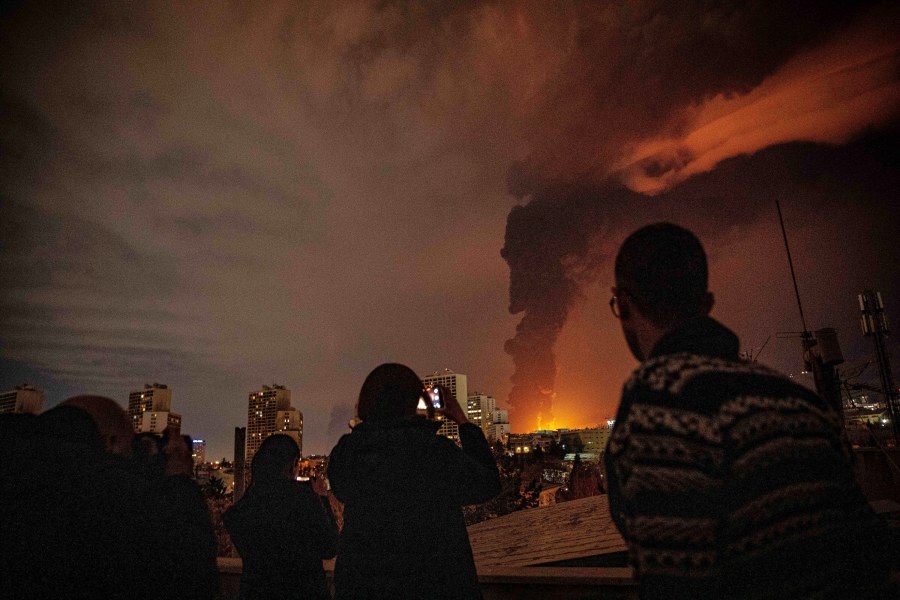
Mojtaba Khamenei, the son of Iran’s deceased supreme leader, has been appointed as the Islamic Republic’s next ruler. This announcement was made on Monday, coinciding with escalating regional conflicts that have driven oil prices to unprecedented levels. As tensions rise, Iran has intensified its military actions against energy infrastructure across the Middle East.
The decision to appoint Mojtaba Khamenei signifies a continuation of the hard-line policies that have characterized Iran’s leadership. His ascension comes at a time when the Iranian theocracy faces significant challenges, both domestically and internationally. The ongoing war in the region and the resultant impact on oil supplies have provoked a sharp increase in prices, raising concerns about global economic stability.
Impact on Oil Markets and Regional Security
Oil prices surged following the announcement, reflecting market reactions to the potential for increased instability in the region. Analysts noted that the conflict has already strained energy resources, and further Iranian attacks could exacerbate supply disruptions. The International Energy Agency reported a rise of over 10% in crude oil prices within hours of the news, highlighting the sensitivity of global markets to developments in Iran.
Iran’s military actions have included strikes on various energy facilities, causing alarm among neighboring countries and international stakeholders. The potential for an expanded conflict raises questions about the security of oil supplies from the region, which plays a vital role in the global economy.
Mojtaba Khamenei’s leadership may bring a more aggressive stance in foreign relations, particularly towards nations perceived as adversaries. This shift could have far-reaching implications for diplomatic efforts aimed at stabilizing the region.
The Future of Iran’s Theocracy
The appointment of Mojtaba Khamenei also reflects the Iranian regime’s strategy to consolidate power within a familiar lineage. As a member of the Khamenei family, he is expected to uphold the ideological tenets established by his father, including a strict adherence to Islamic governance and resistance against Western influence. Observers suggest that this continuity may further entrench the theocracy’s grip on power, even as it faces internal dissent and economic pressures.
Economic analysts express concern about the long-term implications of this leadership change. Iran’s economy has struggled under international sanctions, and the ongoing conflict may hinder any potential for recovery. With oil prices fluctuating dramatically, the Iranian populace could face increased hardships as the government navigates these turbulent waters.
In conclusion, the appointment of Mojtaba Khamenei as Iran’s new leader marks a significant moment in the country’s political landscape. As the region grapples with escalating tensions and surging oil prices, the ramifications of this decision will likely resonate far beyond Iran’s borders. The international community will be closely monitoring developments as they unfold, particularly the potential for further military engagements and their impact on global energy markets.

Cosmic Mystery Deepens: Where Are the Universe’s Defects?

Lady Bulldogs Shine in Postseason Awards Following Final Four Run

CALV Hosts Essential Class for Local Real Estate Professionals

Urgent Alert: “Spaving” Surges as Shoppers Overspend Online

Jefferies Initiates Coverage on Insmed with “Buy” Rating

Three Dog Night to Perform with Ambrosia at Mayo Civic Center

Urgent Announcement: Charles M. Payment Passes Away at 78

Houston Education Foundation Donates $4,592 for Student Programs

Beeks Financial Cloud Shares Drop 7% Amid Increased Trading Volume

Foreign Inflows into Japan Stocks Surge to ¥1.34 Trillion

University of Hawaiʻi Joins $25.6M AI Project to Monitor Disasters

Sydney Sweeney Embraces Body Positivity Amid Hollywood Challenges

Hudson Williams Gains Popularity as Breakout Star on Heated Rivalry

Urgent Farewell: Joleen Chaney Leaves Legacy at KFOR

Boeing’s Merger with McDonnell Douglas: A Strategic Move Explained

$1.25M Grant Advances Hawaiʻi’s Real-Time Hazard Monitoring

Derrick Dove and ABAC Band Set for Free Americana Concert

BOYNEXTDOOR’s Jaehyun Faces Backlash Amid BTS-TWICE Controversy
-
Business7 months ago
Foreign Inflows into Japan Stocks Surge to ¥1.34 Trillion
-
Science7 months ago
University of Hawaiʻi Joins $25.6M AI Project to Monitor Disasters
-
 Entertainment7 months ago
Sydney Sweeney Embraces Body Positivity Amid Hollywood Challenges
-
 Entertainment6 months ago
Hudson Williams Gains Popularity as Breakout Star on Heated Rivalry
-
 Top Stories7 months ago
Urgent Farewell: Joleen Chaney Leaves Legacy at KFOR
-
 World7 months ago
Boeing’s Merger with McDonnell Douglas: A Strategic Move Explained
-
 Science6 months ago
$1.25M Grant Advances Hawaiʻi’s Real-Time Hazard Monitoring
-
 Entertainment6 months ago
Derrick Dove and ABAC Band Set for Free Americana Concert
-
 Top Stories7 months ago
BOYNEXTDOOR’s Jaehyun Faces Backlash Amid BTS-TWICE Controversy
-

 Health4 months ago
Bodybuilder Eugene Teo Transitions to Mindful Movement for Health
-

 Health5 months ago
Hartford’s Abandoned Tower Faces Growing Safety Concerns
-

 Top Stories5 months ago
National Coast Guard Museum Set to Open in 2027 After Funding Secured