
World
Inside the Airbus A350-1000: How Crew Rest Areas Operate

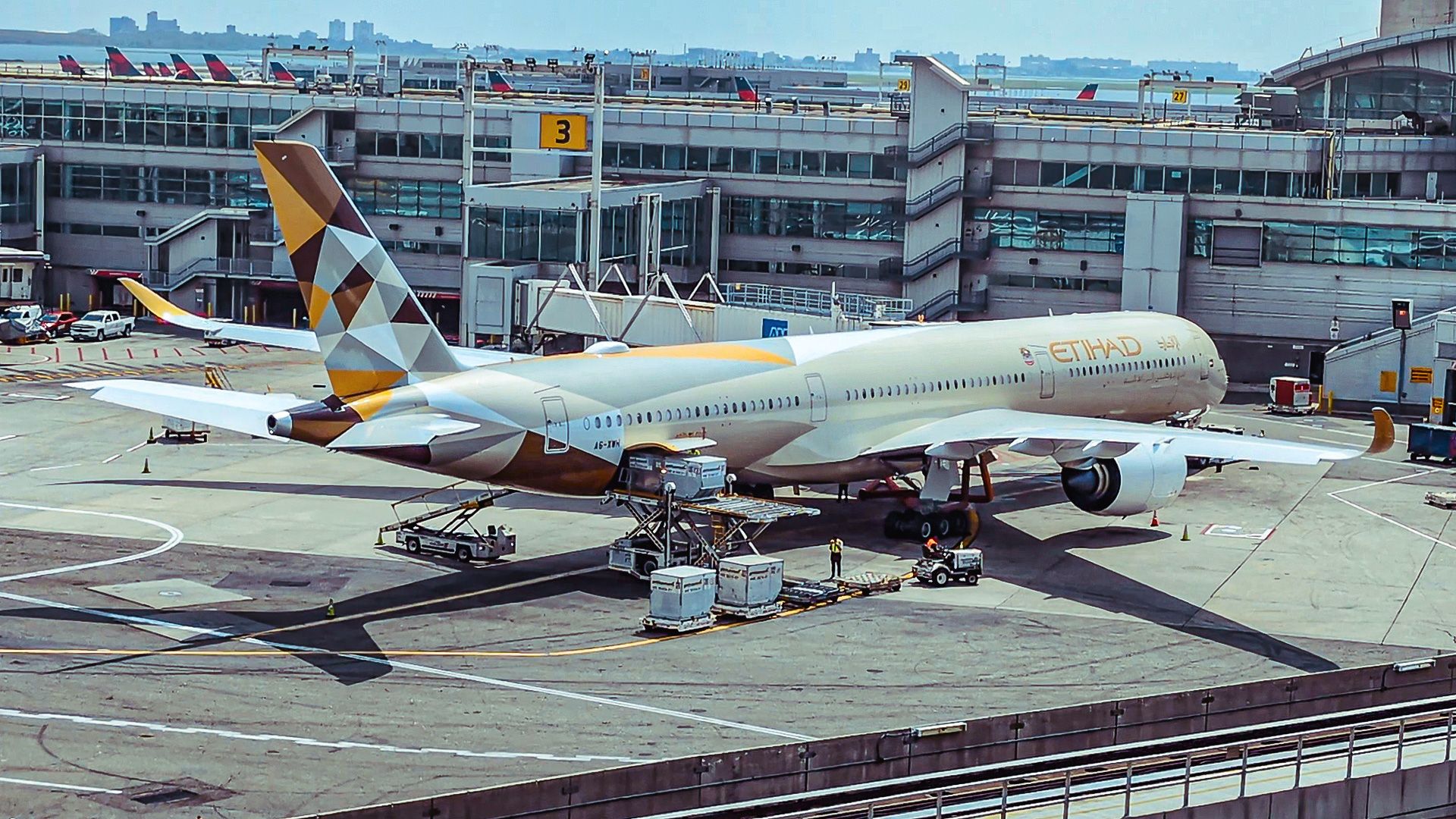
On long-haul flights, effective rest areas for cabin crew are essential for maintaining service quality and ensuring safety. The Airbus A350-1000 features specially designed compartments where crew members can rest away from the passenger cabin. These hidden areas are vital for enabling crew rotations during extended flights while keeping staff alert and ready for service.
Design and Accessibility of Crew Rest Areas
The crew rest facilities on the Airbus A350-1000 are ingeniously concealed from passengers. Typically located at the rear galley, access is granted through an unmarked door that leads to a compact staircase. This staircase ascends into a designated compartment above the passenger seating area, ensuring that the crew can recharge without disturbing passengers. The thoughtful design prioritizes privacy and operational efficiency, allowing crew members to seamlessly transition between rest and service duties.
Each resting area is equipped with multiple bunks, privacy curtains, and essential controls, creating a functional environment for crew members to rest. The dimensions of these bunk spaces are generally around 78 by 30 inches (1.98 by 0.76 m), providing enough room for a restful experience. The compartments are designed to minimize noise and light, essential factors for quality sleep, particularly on long flights.
Crew Rotation and Safety Regulations
The operational model for long-haul flights requires airlines to roster additional flight attendants beyond the minimum requirement. This staffing strategy allows for a rotation system where some crew members can rest while others manage passenger services. This approach is crucial for maintaining alertness throughout the flight, especially during extended duty periods.
Safety is a paramount concern in these compartments. The Federal Aviation Administration (FAA) mandates that crew rest areas meet strict safety standards, emphasizing the importance of oxygen availability and emergency access. These regulations ensure that crew members can rest without compromising their readiness for emergencies.
Moreover, the installation of these spaces comes with trade-offs. Airlines must balance the need for crew rest with the demand for passenger seating and cargo space. Each airline makes unique decisions regarding the configuration of these areas based on their operational needs and flight routes. For instance, some airlines may place crew bunks above the cabin, while others may position them below, accessible via ladders or stairs.
The implications of these design choices go beyond mere comfort. Airlines, such as United Airlines, have creatively repurposed passenger seats for crew resting on certain aircraft, demonstrating the ongoing evolution of crew accommodation strategies.
In conclusion, the crew rest areas on the Airbus A350-1000 exemplify the intricate balance between safety, practicality, and comfort in aviation. As airlines continue to enhance their long-haul capabilities, the thoughtful design of these compartments will play a critical role in ensuring that cabin crew remain alert and effective throughout their flights.

Cosmic Mystery Deepens: Where Are the Universe’s Defects?

Lady Bulldogs Shine in Postseason Awards Following Final Four Run

CALV Hosts Essential Class for Local Real Estate Professionals

Urgent Alert: “Spaving” Surges as Shoppers Overspend Online

Jefferies Initiates Coverage on Insmed with “Buy” Rating

Three Dog Night to Perform with Ambrosia at Mayo Civic Center

Urgent Announcement: Charles M. Payment Passes Away at 78

Houston Education Foundation Donates $4,592 for Student Programs

Beeks Financial Cloud Shares Drop 7% Amid Increased Trading Volume

Foreign Inflows into Japan Stocks Surge to ¥1.34 Trillion

University of Hawaiʻi Joins $25.6M AI Project to Monitor Disasters

Sydney Sweeney Embraces Body Positivity Amid Hollywood Challenges

Hudson Williams Gains Popularity as Breakout Star on Heated Rivalry

Urgent Farewell: Joleen Chaney Leaves Legacy at KFOR

Boeing’s Merger with McDonnell Douglas: A Strategic Move Explained

$1.25M Grant Advances Hawaiʻi’s Real-Time Hazard Monitoring

Derrick Dove and ABAC Band Set for Free Americana Concert

BOYNEXTDOOR’s Jaehyun Faces Backlash Amid BTS-TWICE Controversy
-
Business9 months ago
Foreign Inflows into Japan Stocks Surge to ¥1.34 Trillion
-
Science8 months ago
University of Hawaiʻi Joins $25.6M AI Project to Monitor Disasters
-
 Entertainment9 months ago
Sydney Sweeney Embraces Body Positivity Amid Hollywood Challenges
-
 Entertainment7 months ago
Hudson Williams Gains Popularity as Breakout Star on Heated Rivalry
-
 Top Stories8 months ago
Urgent Farewell: Joleen Chaney Leaves Legacy at KFOR
-
 World9 months ago
Boeing’s Merger with McDonnell Douglas: A Strategic Move Explained
-
 Science7 months ago
$1.25M Grant Advances Hawaiʻi’s Real-Time Hazard Monitoring
-
 Entertainment8 months ago
Derrick Dove and ABAC Band Set for Free Americana Concert
-
 Top Stories9 months ago
BOYNEXTDOOR’s Jaehyun Faces Backlash Amid BTS-TWICE Controversy
-

 Health6 months ago
Bodybuilder Eugene Teo Transitions to Mindful Movement for Health
-

 World6 months ago
San Francisco Airport to Host 16 Nonstop Airlines to Europe in 2026
-

 Top Stories7 months ago
National Coast Guard Museum Set to Open in 2027 After Funding Secured