
World
Families Demand Greater Accountability from MI5 After Arena Attack

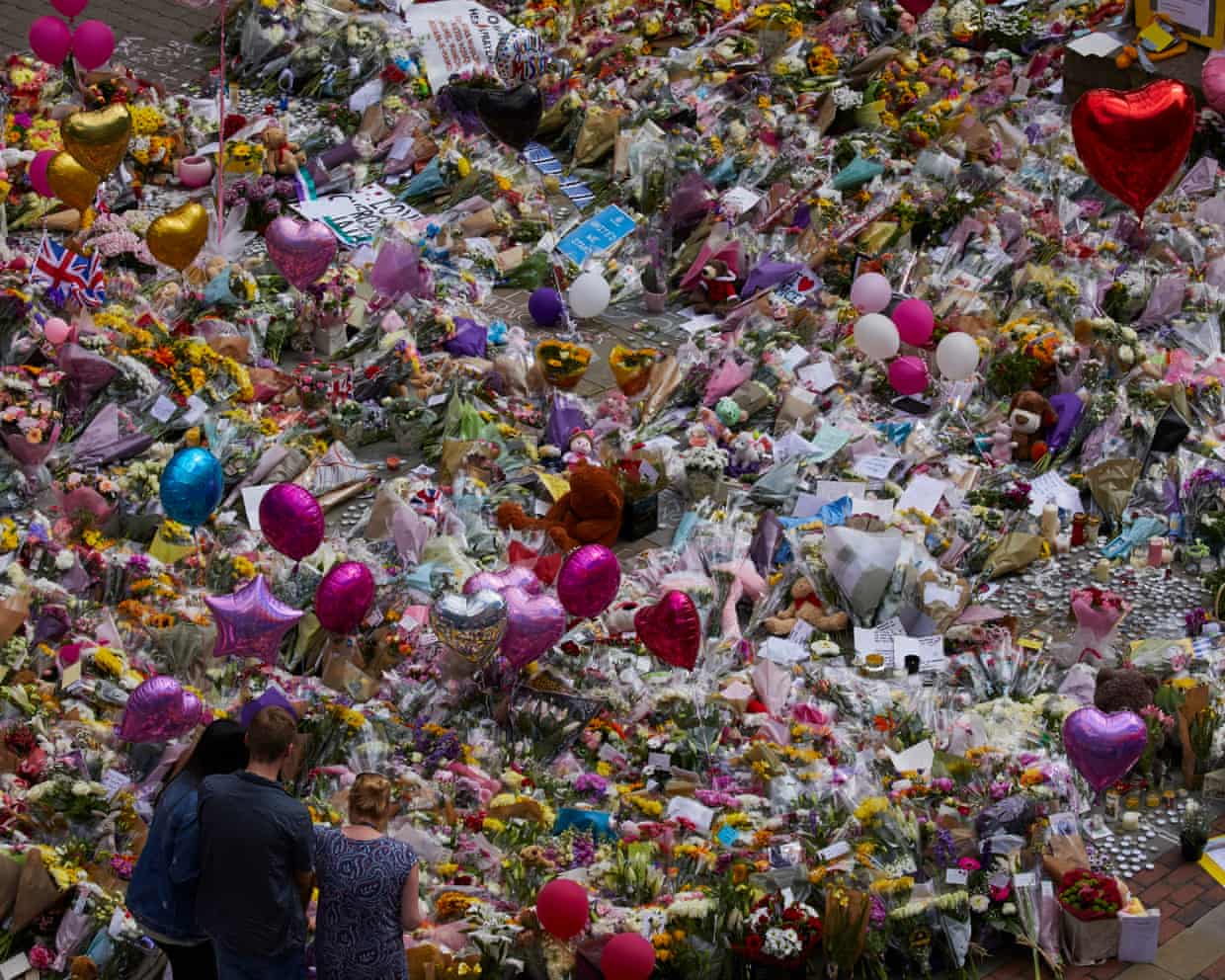
Families affected by the Manchester Arena bombing are calling for increased transparency and accountability from MI5. In a letter addressed to the Prime Minister and obtained by the BBC, the families expressed their belief that MI5 failed to act on critical intelligence leading up to the attack, which occurred on May 22, 2017, during an Ariana Grande concert. They urged that the Security Service be included in proposed legislation aimed at preventing cover-ups in public life.
The inquiry into the bombing revealed that MI5 had the opportunity to prevent the attack if it had acted on crucial intelligence received months prior. “How many times must MI5 show that it cannot be trusted before something is done?” the letter stated, reflecting the families’ growing frustration with the lack of accountability from the agency.
Legislative Changes and Financial Compensation
Under the leadership of Prime Minister Keir Starmer, the government has introduced the Hillsborough Law, formally known as the public office (accountability) bill. This legislation aims to compel public officials and contractors to provide truthful accounts during inquiries following disasters.
The Manchester Arena attack led to the tragic loss of 22 lives when Salman Abedi detonated a homemade bomb. His brother, Hashem Abedi, was convicted for his role in the plot and sentenced to a minimum of 55 years in prison in August 2020.
In December 2022, a ruling determined that nearly £20 million would be distributed to children injured in the bombing. Compensation amounts ranged from £11.4 million to £2,770, benefiting 16 victims who were all under the age of 16 at the time of the attack. Many of these children suffered life-changing injuries, while others experienced psychological trauma from witnessing the events.
MI5’s Missed Opportunities
The chair of the Manchester Arena inquiry, Sir John Saunders, stated in March 2023 that MI5’s failure to act on vital intelligence represented a “significant missed opportunity” to potentially prevent the tragedy. He noted that had MI5 responded more decisively to two pieces of intelligence concerning Abedi in the lead-up to the bombing, there was a “realistic possibility” that investigators could have thwarted the plot.
The details of the intelligence were not disclosed in the report. However, Sir John Saunders indicated that MI5 would have treated Abedi’s return from Libya with greater urgency had they acted on the intelligence provided. Abedi returned to the UK just four days before the attack, using this brief period to construct the explosive device while evading surveillance.
Sir John Saunders suggested that more proactive measures could have led authorities to track Abedi to the Nissan Micra where he stored the explosives. Abedi checked on the vehicle shortly after his return to the UK, before proceeding to a rented flat in the city center where he assembled the bomb and scouted the arena for his attack.
The ongoing discussions surrounding MI5’s accountability reflect a broader demand for institutional transparency in the wake of national tragedies. Families impacted by the Manchester Arena bombing continue to seek justice and assurances that similar failures will not occur in the future.

Cosmic Mystery Deepens: Where Are the Universe’s Defects?

Lady Bulldogs Shine in Postseason Awards Following Final Four Run

CALV Hosts Essential Class for Local Real Estate Professionals

Urgent Alert: “Spaving” Surges as Shoppers Overspend Online

Jefferies Initiates Coverage on Insmed with “Buy” Rating

Three Dog Night to Perform with Ambrosia at Mayo Civic Center

Urgent Announcement: Charles M. Payment Passes Away at 78

Houston Education Foundation Donates $4,592 for Student Programs

Beeks Financial Cloud Shares Drop 7% Amid Increased Trading Volume

Foreign Inflows into Japan Stocks Surge to ¥1.34 Trillion

University of Hawaiʻi Joins $25.6M AI Project to Monitor Disasters

Sydney Sweeney Embraces Body Positivity Amid Hollywood Challenges

Hudson Williams Gains Popularity as Breakout Star on Heated Rivalry

Urgent Farewell: Joleen Chaney Leaves Legacy at KFOR

Boeing’s Merger with McDonnell Douglas: A Strategic Move Explained

$1.25M Grant Advances Hawaiʻi’s Real-Time Hazard Monitoring

Derrick Dove and ABAC Band Set for Free Americana Concert

BOYNEXTDOOR’s Jaehyun Faces Backlash Amid BTS-TWICE Controversy
-
Business9 months ago
Foreign Inflows into Japan Stocks Surge to ¥1.34 Trillion
-
Science9 months ago
University of Hawaiʻi Joins $25.6M AI Project to Monitor Disasters
-
 Entertainment9 months ago
Sydney Sweeney Embraces Body Positivity Amid Hollywood Challenges
-
 Entertainment7 months ago
Hudson Williams Gains Popularity as Breakout Star on Heated Rivalry
-
 Top Stories8 months ago
Urgent Farewell: Joleen Chaney Leaves Legacy at KFOR
-
 World9 months ago
Boeing’s Merger with McDonnell Douglas: A Strategic Move Explained
-
 Science7 months ago
$1.25M Grant Advances Hawaiʻi’s Real-Time Hazard Monitoring
-
 Entertainment8 months ago
Derrick Dove and ABAC Band Set for Free Americana Concert
-
 Top Stories9 months ago
BOYNEXTDOOR’s Jaehyun Faces Backlash Amid BTS-TWICE Controversy
-

 Health6 months ago
Bodybuilder Eugene Teo Transitions to Mindful Movement for Health
-

 World6 months ago
San Francisco Airport to Host 16 Nonstop Airlines to Europe in 2026
-

 Top Stories7 months ago
National Coast Guard Museum Set to Open in 2027 After Funding Secured