
World
Europe Considers Seizing Russian Assets to Support Ukraine

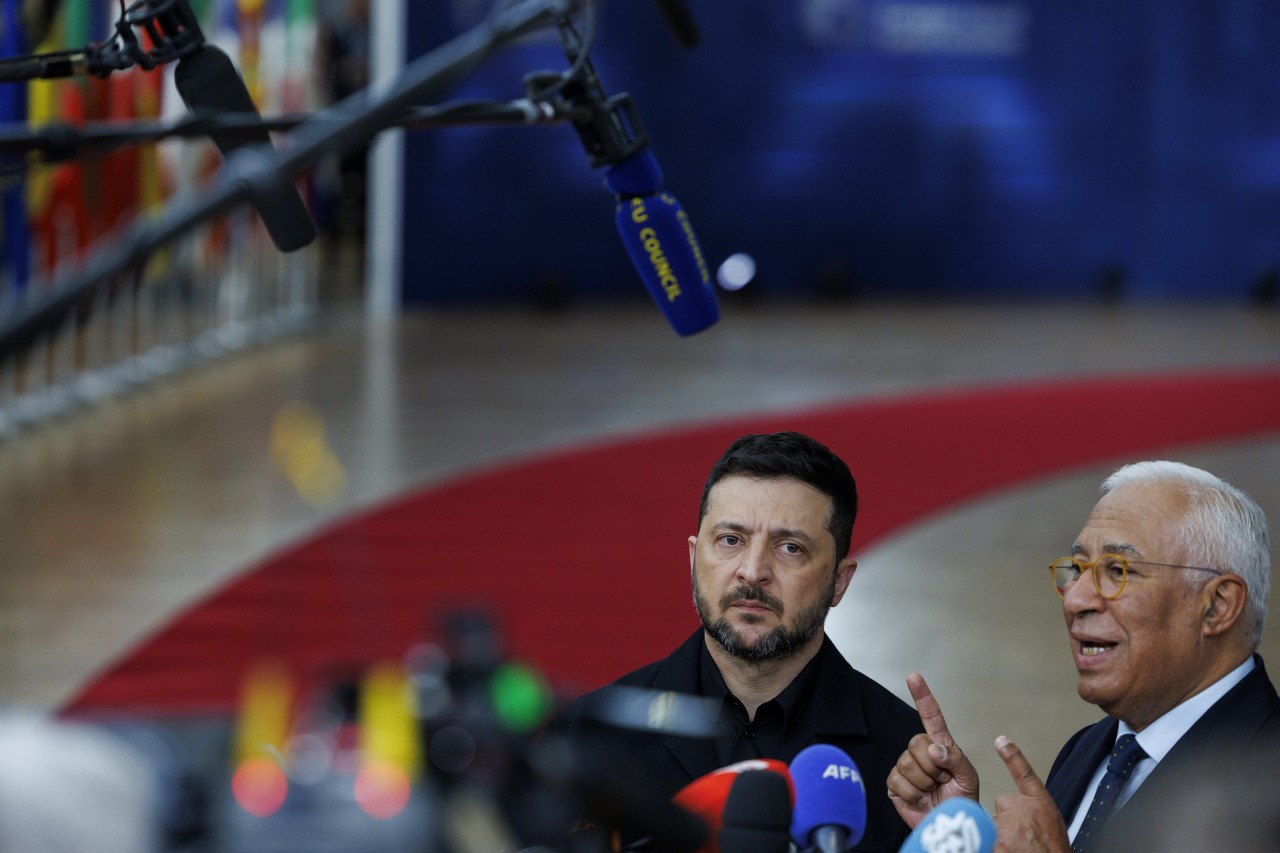
European leaders are exploring the possibility of using frozen Russian assets to provide financial support to Ukraine amid the ongoing conflict. This strategy could represent a pivotal shift in how the continent addresses the war, particularly as Ukraine faces mounting challenges on both the battlefield and during peace negotiations.
As of March 2024, an estimated $300 billion in Russian assets remain frozen in European banks due to sanctions imposed in response to Russia’s invasion of Ukraine. The European Union (EU) is weighing options to repurpose these funds, which could significantly aid Ukraine’s military and humanitarian needs. Failure to utilize these assets may leave Ukraine vulnerable as the conflict continues to escalate.
Assessing the Impact of Unused Assets
The urgency of this discussion has been amplified by recent military setbacks for Ukrainian forces. As they face a sustained Russian offensive, the need for resources is critical. According to the European Commission, accessing these funds could bolster Ukraine’s defense capabilities and improve its position in future negotiations.
Moreover, the humanitarian situation in Ukraine continues to deteriorate, with millions displaced and in need of assistance. Utilizing Russian assets could help provide essential services and support to those affected. Ukrainian officials have expressed strong support for this approach, emphasizing that it could provide vital resources for their country in both military and civilian contexts.
The legal implications of seizing these assets are complex. European leaders must navigate international law and the principles of property rights. Discussions within the EU involve various member states and their respective stances on the issue. Some nations advocate for immediate action, while others call for a cautious approach, considering potential repercussions.
International Reactions and Future Considerations
Global reactions to this potential move vary. The United Nations has previously warned against the consequences of asset seizures, stressing the need for adherence to international law. However, as the situation evolves, some analysts argue that the current circumstances may warrant extraordinary measures to support Ukraine.
Supporters of the asset repurposing initiative argue that it is a necessary response to Russia’s aggressive actions. They contend that using these resources could serve as a legitimate form of reparation for the destruction and suffering caused by the invasion. Critics, meanwhile, caution that such actions could set a concerning precedent for international relations and property rights.
As discussions continue, the EU must balance the immediate needs of Ukraine against the long-term implications of its decisions. The prospect of utilizing frozen Russian assets remains a contentious issue as leaders seek to formulate a cohesive response to the ongoing crisis. The coming weeks will be crucial in determining whether this approach will gain traction and how it could reshape the landscape of aid and support for Ukraine.

Cosmic Mystery Deepens: Where Are the Universe’s Defects?

Lady Bulldogs Shine in Postseason Awards Following Final Four Run

CALV Hosts Essential Class for Local Real Estate Professionals

Urgent Alert: “Spaving” Surges as Shoppers Overspend Online

Jefferies Initiates Coverage on Insmed with “Buy” Rating

Three Dog Night to Perform with Ambrosia at Mayo Civic Center

Urgent Announcement: Charles M. Payment Passes Away at 78

Houston Education Foundation Donates $4,592 for Student Programs

Beeks Financial Cloud Shares Drop 7% Amid Increased Trading Volume

Foreign Inflows into Japan Stocks Surge to ¥1.34 Trillion

University of Hawaiʻi Joins $25.6M AI Project to Monitor Disasters

Sydney Sweeney Embraces Body Positivity Amid Hollywood Challenges

Hudson Williams Gains Popularity as Breakout Star on Heated Rivalry

Urgent Farewell: Joleen Chaney Leaves Legacy at KFOR

Boeing’s Merger with McDonnell Douglas: A Strategic Move Explained

$1.25M Grant Advances Hawaiʻi’s Real-Time Hazard Monitoring

Derrick Dove and ABAC Band Set for Free Americana Concert

BOYNEXTDOOR’s Jaehyun Faces Backlash Amid BTS-TWICE Controversy
-
Business9 months ago
Foreign Inflows into Japan Stocks Surge to ¥1.34 Trillion
-
Science9 months ago
University of Hawaiʻi Joins $25.6M AI Project to Monitor Disasters
-
 Entertainment9 months ago
Sydney Sweeney Embraces Body Positivity Amid Hollywood Challenges
-
 Entertainment7 months ago
Hudson Williams Gains Popularity as Breakout Star on Heated Rivalry
-
 Top Stories8 months ago
Urgent Farewell: Joleen Chaney Leaves Legacy at KFOR
-
 World9 months ago
Boeing’s Merger with McDonnell Douglas: A Strategic Move Explained
-
 Science7 months ago
$1.25M Grant Advances Hawaiʻi’s Real-Time Hazard Monitoring
-
 Entertainment8 months ago
Derrick Dove and ABAC Band Set for Free Americana Concert
-
 Top Stories9 months ago
BOYNEXTDOOR’s Jaehyun Faces Backlash Amid BTS-TWICE Controversy
-

 Health6 months ago
Bodybuilder Eugene Teo Transitions to Mindful Movement for Health
-

 World6 months ago
San Francisco Airport to Host 16 Nonstop Airlines to Europe in 2026
-

 Top Stories7 months ago
National Coast Guard Museum Set to Open in 2027 After Funding Secured