
World
Controversial Vaccine Policy Raises Concerns for Pregnant Women and Children

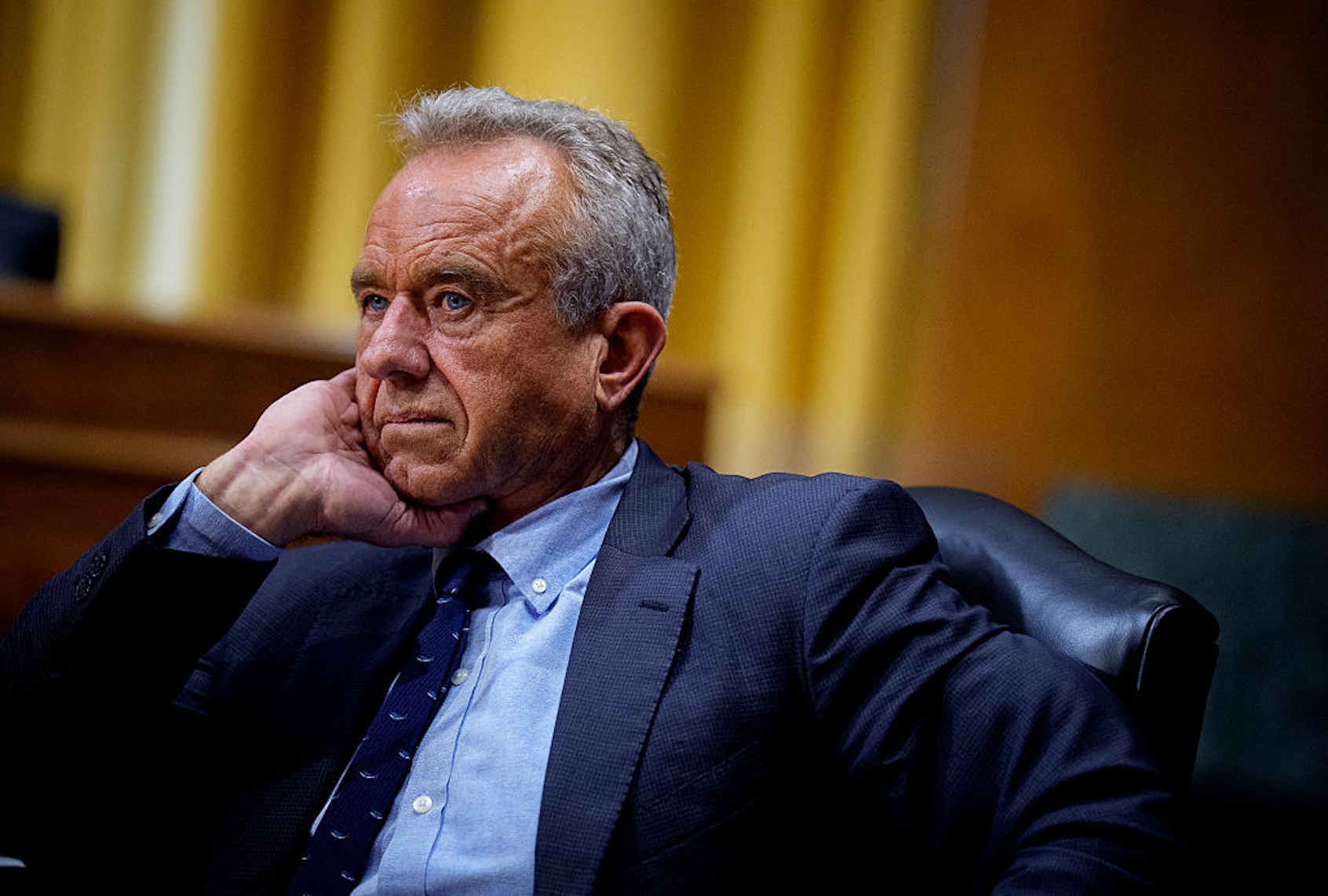
On March 29, 2024, the Advisory Committee on Immunization Practices (ACIP) voted 8-3 to alter its longstanding recommendation regarding hepatitis B vaccinations for infants. This decision follows heated discussions and comes on the heels of a controversial memo from Vinay Prasad, director of the FDA’s Center for Biologics Evaluation and Research (CBER). In the memo, Prasad claimed, without supporting evidence, that the COVID-19 vaccine had contributed to the deaths of ten children. His assertion has raised alarm among public health experts who fear the changes could jeopardize the health of pregnant women and children.
Dr. Susan J. Kressly, president of the American Academy of Pediatrics (AAP), expressed grave concerns about the implications of this decision. She stated, “This irresponsible and purposely misleading guidance will lead to more hepatitis B infections in infants and children.” Kressly emphasized that there is no new evidence prompting this change and reassured parents that the risk of hepatitis B remains unchanged. Since 1991, the ACIP has recommended administering the hepatitis B vaccine to all infants at birth, resulting in a remarkable 99% decline in severe infections by 2019.
Under the new guidelines, infants whose mothers test negative for hepatitis B may now receive their first vaccine dose 30 days after birth, rather than within the first 24 hours. This delay has raised significant concerns about accessibility to vaccines and the potential for increased infection rates among newborns.
Public Health Experts Voice Concerns
Dr. Raynard Washington, chair of the Big Cities Health Coalition, warned that bureaucratic barriers could endanger public health. He argued that placing the responsibility of timing the vaccine on parents could lead to confusion and inadequate protection for newborns. “We should be able to have providers able to help parents make those decisions,” Washington asserted. Delaying the vaccine could expose infants to the virus, increasing their risk of developing hepatitis B.
Similarly, Dr. Sean O’Leary, chair of the AAP Committee on Infectious Diseases, cautioned that the U.S. is entering a perilous phase under the influence of RFK Jr.’s vaccine overhaul agenda. He underscored the importance of the childhood immunization schedule as a framework designed to protect children from serious diseases. “There’s no reason to delay or space out vaccines,” O’Leary stated firmly, reiterating that such changes could have devastating consequences for public health.
The timing of vaccine doses is critical, as it aligns with the age when a child’s immune system can provide optimal protection. Any alterations to this schedule could compromise the health of children, according to O’Leary.
Potential Impact on Pregnant Women and Healthcare Access
Prasad’s memo also indicated a broader reevaluation of vaccination policies, including yearly flu shots and stricter safety data requirements for pharmaceutical manufacturers. Concerns regarding vaccinations for pregnant women were highlighted, as there have been instances of pregnant individuals, particularly those with underlying health conditions, facing severe complications from COVID-19. The Centers for Disease Control and Prevention (CDC) notes that pregnant women are at a higher risk for adverse outcomes related to COVID-19 compared to their non-pregnant counterparts.
Dr. Stephanie Gaw, an assistant professor at the University of California, San Francisco, criticized the proposed changes, asserting they would disadvantage pregnant patients in accessing essential vaccines. She pointed out that while randomized controlled trials for vaccines in pregnant women can be complex and costly, existing data on antibody responses serve as reliable indicators of vaccine effectiveness against diseases.
Public health departments are already grappling with challenges in vaccine access. Phil Huang, director of Dallas County Health and Human Services, reported layoffs and cancelled community outreach events due to reduced funding for vaccination efforts, exacerbated by the U.S. Department of Health and Human Services’ cancellation of $500 million earmarked for mRNA vaccine development earlier in the year.
Despite the recent ACIP decision, the AAP maintains its recommendation for administering the hepatitis B vaccine within the first 24 hours of life. Dr. Kressly reiterated the importance of adhering to this timeline, stating, “All babies should receive a first dose of the hepatitis B vaccine within 24 hours of birth, a second dose at one to two months, and a third dose at six months.” This schedule has been rigorously tested over decades and proven safe and effective.
The ongoing debate around vaccine policy continues to raise important questions about public health and the safety of vulnerable populations, particularly pregnant women and infants. As the situation evolves, the implications of these changes on community health will be closely monitored by experts and organizations dedicated to safeguarding public health.

Cosmic Mystery Deepens: Where Are the Universe’s Defects?

Lady Bulldogs Shine in Postseason Awards Following Final Four Run

CALV Hosts Essential Class for Local Real Estate Professionals

Urgent Alert: “Spaving” Surges as Shoppers Overspend Online

Jefferies Initiates Coverage on Insmed with “Buy” Rating

Three Dog Night to Perform with Ambrosia at Mayo Civic Center

Urgent Announcement: Charles M. Payment Passes Away at 78

Houston Education Foundation Donates $4,592 for Student Programs

Beeks Financial Cloud Shares Drop 7% Amid Increased Trading Volume

Foreign Inflows into Japan Stocks Surge to ¥1.34 Trillion

University of Hawaiʻi Joins $25.6M AI Project to Monitor Disasters

Sydney Sweeney Embraces Body Positivity Amid Hollywood Challenges

Hudson Williams Gains Popularity as Breakout Star on Heated Rivalry

Urgent Farewell: Joleen Chaney Leaves Legacy at KFOR

Boeing’s Merger with McDonnell Douglas: A Strategic Move Explained

$1.25M Grant Advances Hawaiʻi’s Real-Time Hazard Monitoring

Derrick Dove and ABAC Band Set for Free Americana Concert

BOYNEXTDOOR’s Jaehyun Faces Backlash Amid BTS-TWICE Controversy
-
Business9 months ago
Foreign Inflows into Japan Stocks Surge to ¥1.34 Trillion
-
Science8 months ago
University of Hawaiʻi Joins $25.6M AI Project to Monitor Disasters
-
 Entertainment9 months ago
Sydney Sweeney Embraces Body Positivity Amid Hollywood Challenges
-
 Entertainment7 months ago
Hudson Williams Gains Popularity as Breakout Star on Heated Rivalry
-
 Top Stories8 months ago
Urgent Farewell: Joleen Chaney Leaves Legacy at KFOR
-
 World9 months ago
Boeing’s Merger with McDonnell Douglas: A Strategic Move Explained
-
 Science7 months ago
$1.25M Grant Advances Hawaiʻi’s Real-Time Hazard Monitoring
-
 Entertainment8 months ago
Derrick Dove and ABAC Band Set for Free Americana Concert
-
 Top Stories9 months ago
BOYNEXTDOOR’s Jaehyun Faces Backlash Amid BTS-TWICE Controversy
-

 Health6 months ago
Bodybuilder Eugene Teo Transitions to Mindful Movement for Health
-

 World6 months ago
San Francisco Airport to Host 16 Nonstop Airlines to Europe in 2026
-

 Top Stories7 months ago
National Coast Guard Museum Set to Open in 2027 After Funding Secured