
World
Air Canada Orders Eight Airbus A350-1000s for Future Fleet

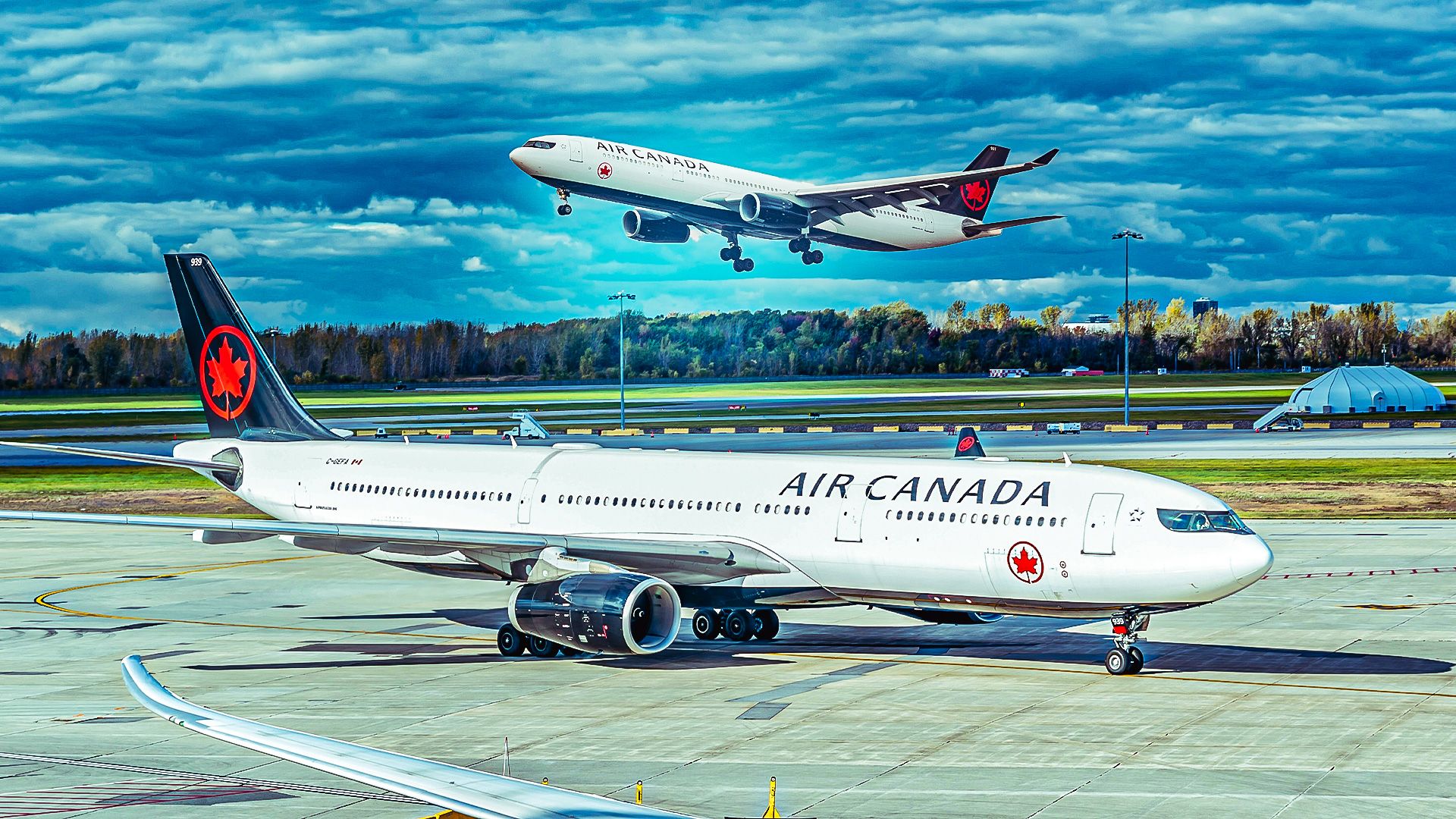
Air Canada has announced a significant update to its fleet with an order for eight Airbus A350-1000 aircraft. This announcement, made on February 11, 2026, marks a pivotal moment in the airline’s evolution, as these modern widebody jets are expected to enhance its long-haul international operations upon their arrival in 2030.
The Canadian flag carrier, a founding member of the Star Alliance, currently operates a total of 265 aircraft. According to data from ch-aviation, this fleet includes seven Dash 8-Q400 turboprop regional airliners, which Air Canada operates on a wet-lease basis through PAL Airlines. The remaining 258 aircraft primarily consist of twinjets, showcasing a diverse and modern fleet.
Current Fleet Overview
Air Canada’s current fleet is heavily weighted towards Boeing for its long-haul operations, but the impending arrival of the A350-1000 will shift this balance. Presently, the airline’s Boeing widebody fleet comprises six 767-300ER freighters and a mix of passenger aircraft, including six 777-200LRs, 19 777-300ERs, eight 787-8s, and 32 787-9s. Additionally, there are 14 787-10s on order, further expanding its capabilities.
In contrast, Air Canada’s Airbus fleet currently consists of 20 A330-300s, each with an average age of 19.2 years, which is older than the fleet-wide mean of 17.1 years. The airline’s Executive Vice President and Chief Commercial Officer, Mark Galardo, emphasized the importance of the A350-1000, stating, “These highly capable aircraft complement our existing fleet by providing flexibility in support of a growing, resilient, and diversified future network. The A350-1000 will play a central role in defining Air Canada’s next era.”
Narrowbody Aircraft Dominance
On the narrowbody front, Air Canada relies heavily on Airbus aircraft, operating 118 single-aisle planes from the European manufacturer compared to just 49 Boeing narrowbodies. This includes 16 Airbus A319-100s, 26 A320-200s (with five more on the way), and 34 A321-200s (also with five pending deliveries). The A319-100s average 27.6 years, while the A320-200s and A321-200s average 23.9 years and 16.3 years, respectively. Notably, 16 A319-100s, five A320-200s, and 13 A321-200s operate under Air Canada Rouge, the airline’s leisure brand.
The newest addition to Air Canada’s narrowbody fleet is the A220-300, with 42 units currently in operation, averaging just four years old. Some of these aircraft feature special liveries, including one celebrating the airline’s legacy with Trans Canada Air Lines and another promoting the film “Zootopia 2,” which offers lucky passengers a chance to win a vacation package to Walt Disney World Resort in Florida.
Air Canada’s 49 Boeing narrowbodies consist entirely of 737 MAX 8 aircraft, which are configured to accommodate 169 passengers in a two-class layout. The airline plans to receive two more of these jets in the near future, further solidifying its position in the narrowbody market. While primarily used for domestic and short to medium-haul international flights, the 737 MAX 8s also serve select low-demand transatlantic routes to Europe.
With these strategic additions and updates, Air Canada is poised to strengthen its market position and enhance its operational efficiency in the coming years. The integration of the Airbus A350-1000s into the fleet represents a forward-looking investment that will likely play a crucial role in the airline’s long-term strategy.

Cosmic Mystery Deepens: Where Are the Universe’s Defects?

Lady Bulldogs Shine in Postseason Awards Following Final Four Run

CALV Hosts Essential Class for Local Real Estate Professionals

Urgent Alert: “Spaving” Surges as Shoppers Overspend Online

Jefferies Initiates Coverage on Insmed with “Buy” Rating

Three Dog Night to Perform with Ambrosia at Mayo Civic Center

Urgent Announcement: Charles M. Payment Passes Away at 78

Houston Education Foundation Donates $4,592 for Student Programs

Beeks Financial Cloud Shares Drop 7% Amid Increased Trading Volume

Foreign Inflows into Japan Stocks Surge to ¥1.34 Trillion

University of Hawaiʻi Joins $25.6M AI Project to Monitor Disasters

Sydney Sweeney Embraces Body Positivity Amid Hollywood Challenges

Hudson Williams Gains Popularity as Breakout Star on Heated Rivalry

Urgent Farewell: Joleen Chaney Leaves Legacy at KFOR

Boeing’s Merger with McDonnell Douglas: A Strategic Move Explained

$1.25M Grant Advances Hawaiʻi’s Real-Time Hazard Monitoring

Derrick Dove and ABAC Band Set for Free Americana Concert

BOYNEXTDOOR’s Jaehyun Faces Backlash Amid BTS-TWICE Controversy
-
Business9 months ago
Foreign Inflows into Japan Stocks Surge to ¥1.34 Trillion
-
Science9 months ago
University of Hawaiʻi Joins $25.6M AI Project to Monitor Disasters
-
 Entertainment9 months ago
Sydney Sweeney Embraces Body Positivity Amid Hollywood Challenges
-
 Entertainment7 months ago
Hudson Williams Gains Popularity as Breakout Star on Heated Rivalry
-
 Top Stories8 months ago
Urgent Farewell: Joleen Chaney Leaves Legacy at KFOR
-
 World9 months ago
Boeing’s Merger with McDonnell Douglas: A Strategic Move Explained
-
 Science7 months ago
$1.25M Grant Advances Hawaiʻi’s Real-Time Hazard Monitoring
-
 Entertainment8 months ago
Derrick Dove and ABAC Band Set for Free Americana Concert
-
 Top Stories9 months ago
BOYNEXTDOOR’s Jaehyun Faces Backlash Amid BTS-TWICE Controversy
-

 Health6 months ago
Bodybuilder Eugene Teo Transitions to Mindful Movement for Health
-

 World6 months ago
San Francisco Airport to Host 16 Nonstop Airlines to Europe in 2026
-

 Top Stories7 months ago
National Coast Guard Museum Set to Open in 2027 After Funding Secured