
Top Stories
Trump’s Military Power Under Fire: Court Battles Escalate NOW

URGENT UPDATE: President Donald Trump faces escalating legal battles over his controversial deployment of the National Guard in several major U.S. cities. Recent court decisions challenge his authority to federalize military forces against state governors’ wishes, raising significant questions about executive power and civil liberties.
Just announced, the Ninth Circuit Court of Appeals has reversed a lower court ruling that blocked Trump’s deployment of troops in Portland, affirming his claims of absolute power in making military decisions. This controversial judgment could have lasting implications for governance and public safety as it allows armed troops to operate on American streets.
The legal conflict intensified after Trump mobilized the National Guard in California without the consent of Governor Gavin Newsom in June. His administration argued that the President has “unrestrained discretion” to determine when to deploy federal forces, citing historical precedent from an 1827 Supreme Court case. Critics argue this interpretation dangerously expands presidential powers.
In a shocking turn, the Ninth Circuit dismissed factual evidence presented by lower courts, including a ruling from Judge Karin Immergut, who stated, “The President’s determination was simply untethered to the facts.” The appellate court’s decision raises alarms about the judiciary’s role in checking presidential authority and the potential for military presence to suppress voter turnout in the upcoming 2026 midterm elections.
Meanwhile, a unanimous ruling from the Seventh Circuit Court of Appeals blocked a similar deployment in Chicago, contradicting Trump’s claims. The court emphasized that the President’s authority is not absolute, upholding the necessity of judicial review in safeguarding against potential abuses of power.
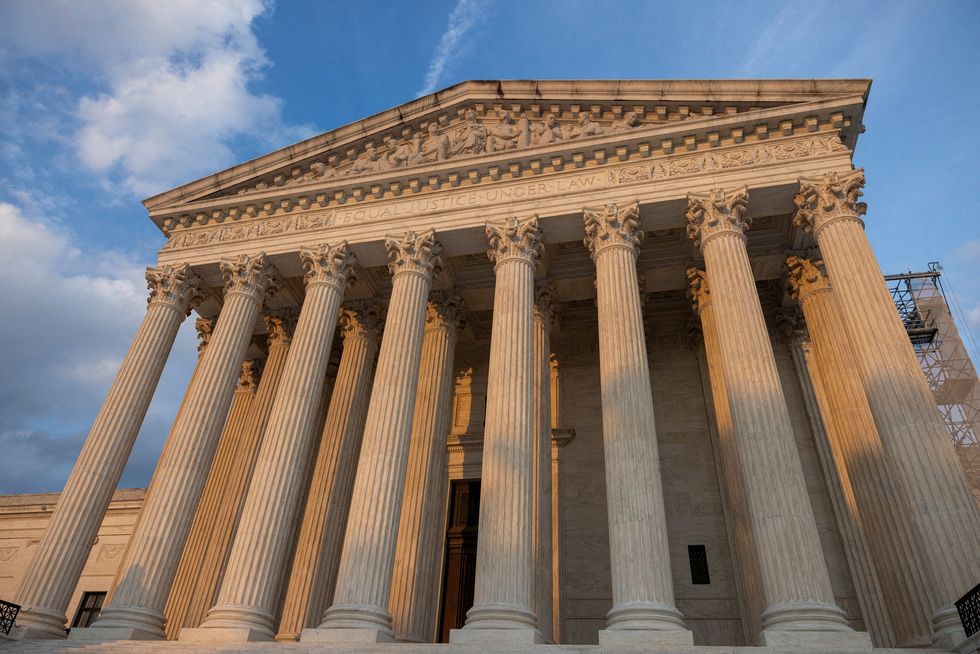
As of September 22, 2023, Trump has appealed to the Supreme Court, where he has had success in previous cases, winning 21 out of 23 decisions on the Court’s “shadow docket.” Legal experts warn that if the conservative majority sides with Trump, it could set a dangerous precedent for federal overreach.
This ongoing legal saga highlights the profound implications for civil rights and emergency powers in America. The use of military forces in civilian contexts raises critical questions about safety, governance, and the rule of law. Advocates for civil liberties fear that unchecked military presence could lead to a state of fear among communities, fundamentally altering the fabric of American democracy.
As public scrutiny intensifies, all eyes will be on the Supreme Court’s forthcoming decision, which could either reinforce or dismantle the President’s authority to deploy military forces at will. Citizens and lawmakers alike are urged to stay informed as these pivotal legal battles continue to unfold, shaping the future of governance in the United States.
For updates on this developing story, follow credible news sources and stay engaged in discussions about the implications of these legal rulings.

Cosmic Mystery Deepens: Where Are the Universe’s Defects?

Lady Bulldogs Shine in Postseason Awards Following Final Four Run

CALV Hosts Essential Class for Local Real Estate Professionals

Urgent Alert: “Spaving” Surges as Shoppers Overspend Online

Jefferies Initiates Coverage on Insmed with “Buy” Rating

Three Dog Night to Perform with Ambrosia at Mayo Civic Center

Urgent Announcement: Charles M. Payment Passes Away at 78

Houston Education Foundation Donates $4,592 for Student Programs

Beeks Financial Cloud Shares Drop 7% Amid Increased Trading Volume

Foreign Inflows into Japan Stocks Surge to ¥1.34 Trillion

University of Hawaiʻi Joins $25.6M AI Project to Monitor Disasters

Sydney Sweeney Embraces Body Positivity Amid Hollywood Challenges

Hudson Williams Gains Popularity as Breakout Star on Heated Rivalry

Urgent Farewell: Joleen Chaney Leaves Legacy at KFOR

Boeing’s Merger with McDonnell Douglas: A Strategic Move Explained

$1.25M Grant Advances Hawaiʻi’s Real-Time Hazard Monitoring

Derrick Dove and ABAC Band Set for Free Americana Concert

BOYNEXTDOOR’s Jaehyun Faces Backlash Amid BTS-TWICE Controversy
-
Business9 months ago
Foreign Inflows into Japan Stocks Surge to ¥1.34 Trillion
-
Science9 months ago
University of Hawaiʻi Joins $25.6M AI Project to Monitor Disasters
-
 Entertainment9 months ago
Sydney Sweeney Embraces Body Positivity Amid Hollywood Challenges
-
 Entertainment7 months ago
Hudson Williams Gains Popularity as Breakout Star on Heated Rivalry
-
 Top Stories8 months ago
Urgent Farewell: Joleen Chaney Leaves Legacy at KFOR
-
 World9 months ago
Boeing’s Merger with McDonnell Douglas: A Strategic Move Explained
-
 Science7 months ago
$1.25M Grant Advances Hawaiʻi’s Real-Time Hazard Monitoring
-
 Entertainment8 months ago
Derrick Dove and ABAC Band Set for Free Americana Concert
-
 Top Stories9 months ago
BOYNEXTDOOR’s Jaehyun Faces Backlash Amid BTS-TWICE Controversy
-

 Health6 months ago
Bodybuilder Eugene Teo Transitions to Mindful Movement for Health
-

 World6 months ago
San Francisco Airport to Host 16 Nonstop Airlines to Europe in 2026
-

 Top Stories7 months ago
National Coast Guard Museum Set to Open in 2027 After Funding Secured