
Top Stories
Trump Proposes Subsidies to Boost Oil Production in Venezuela

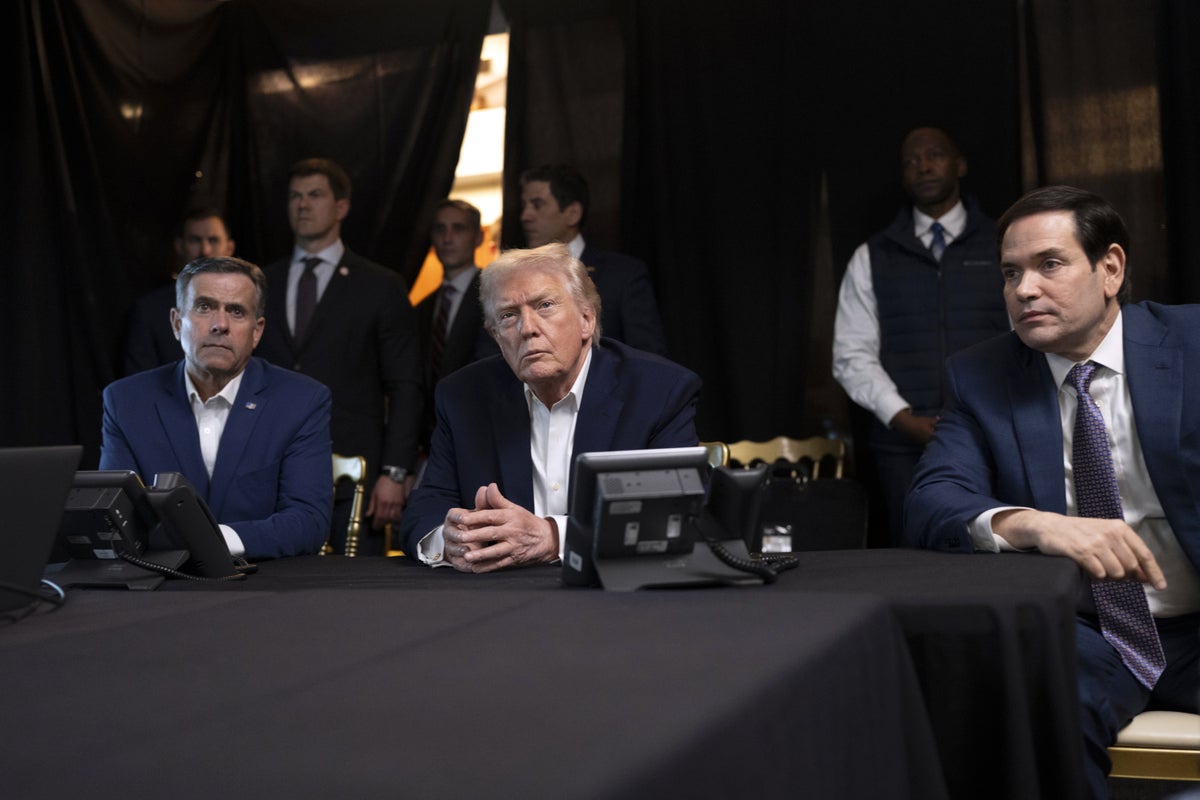
UPDATE: President Donald Trump is urgently proposing taxpayer-funded subsidies to encourage U.S.-based oil companies to resume drilling operations in Venezuela, following the recent military operation that ousted President Nicolás Maduro. This announcement comes as Trump seeks to tap into Venezuela’s vast oil reserves, which have been largely untapped due to political and economic instability.
Trump’s bold plan was revealed during an interview with NBC News, where he stated he wants the U.S.’s “very large” oil companies to “spend billions of dollars” to revitalize Venezuela’s deteriorating oil infrastructure. However, the challenges ahead are significant. Major players like ExxonMobil, Chevron Corp., and ConocoPhillips may face immense hurdles in returning to Venezuela, given the country’s tumultuous history and ongoing U.S. sanctions.
“The oil companies will spend it, and then they’ll get reimbursed by us or through revenue,” Trump explained, indicating a potential government subsidy model to attract investment. Yet, experts caution that even with subsidies, convincing these firms to invest billions in Venezuela may not be straightforward.
Historically, all three companies operated in Venezuela, but they exited following nationalization moves and asset seizures that left them wary of re-entering. ConocoPhillips, when approached for comment, stated it would be “premature to speculate on any future business activities or investments.” Meanwhile, Chevron is the only major U.S. oil company still active in Venezuela, but its CEO, Mike Wirth, has previously expressed uncertainty regarding the administration’s intentions.
The CEO highlighted that expanding operations in Venezuela requires a long-term commitment, particularly given the country’s notorious instability. “Any decisions about expanding oil production in Venezuela could take a long time,” he noted in a December interview with Bloomberg.
Experts like Francisco J. Monaldi, director of the Latin American Energy Program at Rice University, stress that billions will need to be invested over several years to modernize Venezuela’s oil infrastructure. The potential for future administrations to change course on subsidies adds another layer of risk for oil companies considering investment.
In a related development, Secretary of Energy Chris Wright has been in discussions with executives from the three major oil companies this week. He is expected to meet them during a Goldman Sachs industry event in Miami on January 10, 2024, as reported by the Washington Post. This meeting could play a crucial role in shaping the future of U.S. investments in Venezuelan oil.
As this situation unfolds, the stakes are high, and the world is watching. The outcome could not only impact U.S. energy policy but also the future economic landscape of Venezuela, which is struggling under the weight of its past decisions.
The urgent developments in this story are likely to affect not just the oil market but also international relations. As both the U.S. and Venezuelan governments navigate this complex scenario, the implications will be felt across global markets. Stay tuned for more updates as this story continues to develop.

Cosmic Mystery Deepens: Where Are the Universe’s Defects?

Lady Bulldogs Shine in Postseason Awards Following Final Four Run

CALV Hosts Essential Class for Local Real Estate Professionals

Urgent Alert: “Spaving” Surges as Shoppers Overspend Online

Jefferies Initiates Coverage on Insmed with “Buy” Rating

Three Dog Night to Perform with Ambrosia at Mayo Civic Center

Urgent Announcement: Charles M. Payment Passes Away at 78

Houston Education Foundation Donates $4,592 for Student Programs

Beeks Financial Cloud Shares Drop 7% Amid Increased Trading Volume

Foreign Inflows into Japan Stocks Surge to ¥1.34 Trillion

University of Hawaiʻi Joins $25.6M AI Project to Monitor Disasters

Sydney Sweeney Embraces Body Positivity Amid Hollywood Challenges

Hudson Williams Gains Popularity as Breakout Star on Heated Rivalry

Urgent Farewell: Joleen Chaney Leaves Legacy at KFOR

Boeing’s Merger with McDonnell Douglas: A Strategic Move Explained

$1.25M Grant Advances Hawaiʻi’s Real-Time Hazard Monitoring

Derrick Dove and ABAC Band Set for Free Americana Concert

BOYNEXTDOOR’s Jaehyun Faces Backlash Amid BTS-TWICE Controversy
-
Business9 months ago
Foreign Inflows into Japan Stocks Surge to ¥1.34 Trillion
-
Science9 months ago
University of Hawaiʻi Joins $25.6M AI Project to Monitor Disasters
-
 Entertainment9 months ago
Sydney Sweeney Embraces Body Positivity Amid Hollywood Challenges
-
 Entertainment7 months ago
Hudson Williams Gains Popularity as Breakout Star on Heated Rivalry
-
 Top Stories8 months ago
Urgent Farewell: Joleen Chaney Leaves Legacy at KFOR
-
 World9 months ago
Boeing’s Merger with McDonnell Douglas: A Strategic Move Explained
-
 Science7 months ago
$1.25M Grant Advances Hawaiʻi’s Real-Time Hazard Monitoring
-
 Entertainment8 months ago
Derrick Dove and ABAC Band Set for Free Americana Concert
-
 Top Stories9 months ago
BOYNEXTDOOR’s Jaehyun Faces Backlash Amid BTS-TWICE Controversy
-

 Health6 months ago
Bodybuilder Eugene Teo Transitions to Mindful Movement for Health
-

 World6 months ago
San Francisco Airport to Host 16 Nonstop Airlines to Europe in 2026
-

 Top Stories7 months ago
National Coast Guard Museum Set to Open in 2027 After Funding Secured