
Top Stories
Power Struggles Emerge as Revolutionary Guards Secure Leadership in Iran

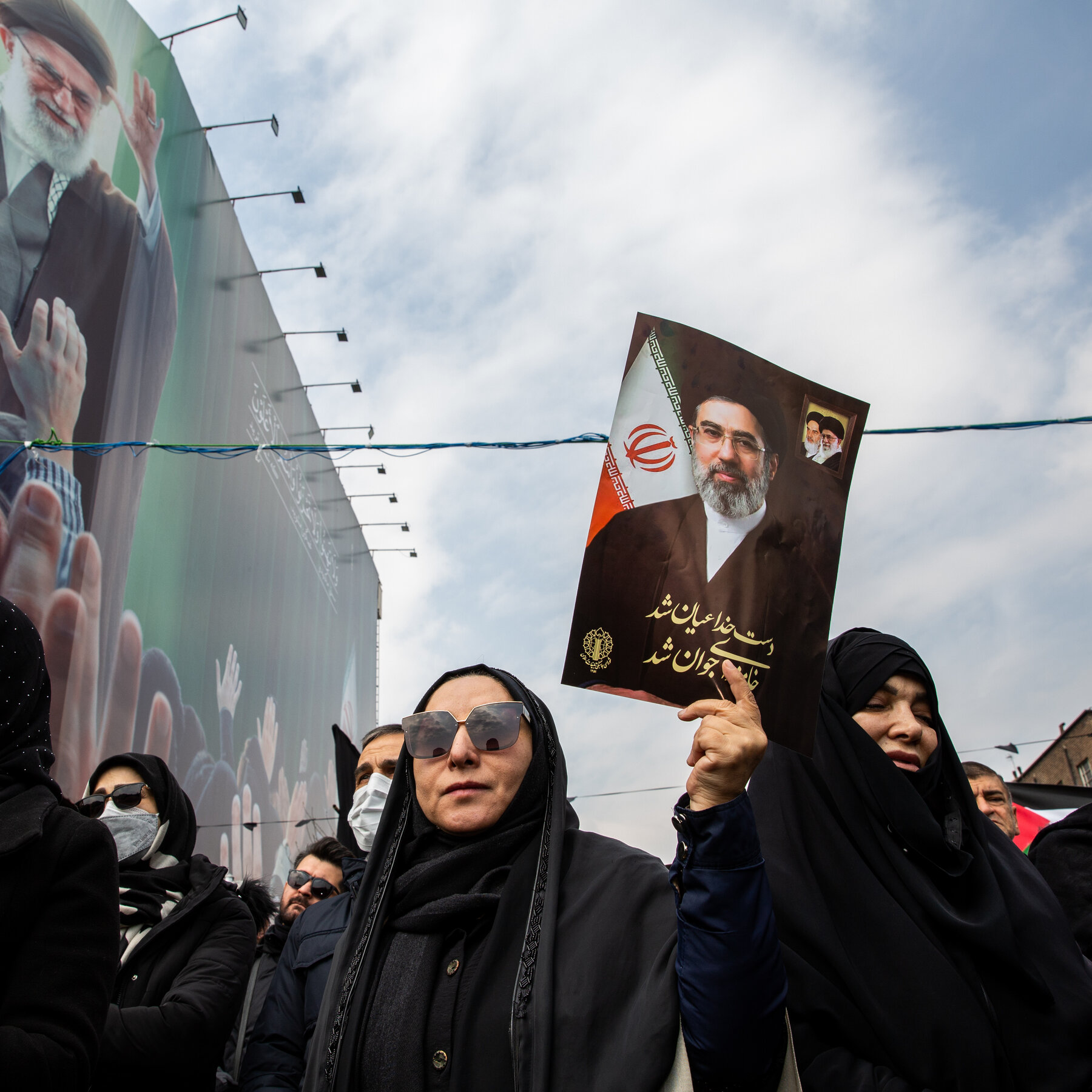
The struggle for leadership in Iran has intensified as the Revolutionary Guards have successfully positioned themselves at the forefront of power, outmaneuvering moderate factions within the government. This weeklong confrontation culminated in a decisive victory for the military-backed leaders, though not without considerable resistance from their political opponents.
The conflict primarily revolved around the potential succession of Mojtaba Khamenei, the son of Ayatollah Ali Khamenei, who has been speculated to inherit his father’s position as Supreme Leader. The intense political maneuvering highlights the broader struggle for control within the Islamic Republic, as various factions vie for influence in a nation grappling with both internal and external pressures.
Key Actors in the Leadership Battle
The Revolutionary Guards, a powerful military and political organization, emerged as the dominant force in this power struggle. Their strategic alliances and control over significant resources enabled them to effectively neutralize moderate voices advocating for reform and diplomatic engagement. The moderates, who have historically sought to ease tensions with the West and promote more progressive policies, faced significant challenges in rallying support against the entrenched military leadership.
According to reports from Tehran sources, the Revolutionary Guards utilized their extensive network and influence to consolidate power, ensuring that any opposition was swiftly dealt with. This approach not only solidified their position but also sent a clear message regarding the limits of dissent within the current political landscape.
Implications for Iran’s Future
The outcome of this leadership battle raises significant questions about the future trajectory of Iran’s domestic and foreign policies. With the Revolutionary Guards firmly in control, expectations are that the country will continue on a path of resistance against perceived external threats, particularly from the United States and its allies. The military’s dominance may also lead to a further tightening of social freedoms and political expression, as they seek to maintain stability in an increasingly volatile environment.
The ramifications of this struggle extend beyond Iran’s borders, impacting regional dynamics in the Middle East. As the Revolutionary Guards fortify their grip on power, neighboring countries may have to reassess their strategies and alliances in light of a more assertive Iranian leadership.
As the political landscape evolves, the role of figures like Mojtaba Khamenei will be closely scrutinized. His ascent, should it occur, could signify a continuation of hardline policies that prioritize military strength over diplomatic engagement. The coming months will be crucial for understanding how this power shift shapes not only Iran’s internal politics but also its interactions on the global stage.

Cosmic Mystery Deepens: Where Are the Universe’s Defects?

Lady Bulldogs Shine in Postseason Awards Following Final Four Run

CALV Hosts Essential Class for Local Real Estate Professionals

Urgent Alert: “Spaving” Surges as Shoppers Overspend Online

Jefferies Initiates Coverage on Insmed with “Buy” Rating

Three Dog Night to Perform with Ambrosia at Mayo Civic Center

Urgent Announcement: Charles M. Payment Passes Away at 78

Houston Education Foundation Donates $4,592 for Student Programs

Beeks Financial Cloud Shares Drop 7% Amid Increased Trading Volume

Foreign Inflows into Japan Stocks Surge to ¥1.34 Trillion

University of Hawaiʻi Joins $25.6M AI Project to Monitor Disasters

Sydney Sweeney Embraces Body Positivity Amid Hollywood Challenges

Hudson Williams Gains Popularity as Breakout Star on Heated Rivalry

Urgent Farewell: Joleen Chaney Leaves Legacy at KFOR

Boeing’s Merger with McDonnell Douglas: A Strategic Move Explained

$1.25M Grant Advances Hawaiʻi’s Real-Time Hazard Monitoring

Derrick Dove and ABAC Band Set for Free Americana Concert

BOYNEXTDOOR’s Jaehyun Faces Backlash Amid BTS-TWICE Controversy
-
Business8 months ago
Foreign Inflows into Japan Stocks Surge to ¥1.34 Trillion
-
Science8 months ago
University of Hawaiʻi Joins $25.6M AI Project to Monitor Disasters
-
 Entertainment8 months ago
Sydney Sweeney Embraces Body Positivity Amid Hollywood Challenges
-
 Entertainment7 months ago
Hudson Williams Gains Popularity as Breakout Star on Heated Rivalry
-
 Top Stories8 months ago
Urgent Farewell: Joleen Chaney Leaves Legacy at KFOR
-
 World8 months ago
Boeing’s Merger with McDonnell Douglas: A Strategic Move Explained
-
 Science7 months ago
$1.25M Grant Advances Hawaiʻi’s Real-Time Hazard Monitoring
-
 Entertainment8 months ago
Derrick Dove and ABAC Band Set for Free Americana Concert
-
 Top Stories8 months ago
BOYNEXTDOOR’s Jaehyun Faces Backlash Amid BTS-TWICE Controversy
-

 Health5 months ago
Bodybuilder Eugene Teo Transitions to Mindful Movement for Health
-

 Top Stories6 months ago
National Coast Guard Museum Set to Open in 2027 After Funding Secured
-

 Health6 months ago
Hartford’s Abandoned Tower Faces Growing Safety Concerns