
Top Stories
Porsche Confirms 28% Sales Drop in China Amid Fierce EV Competition

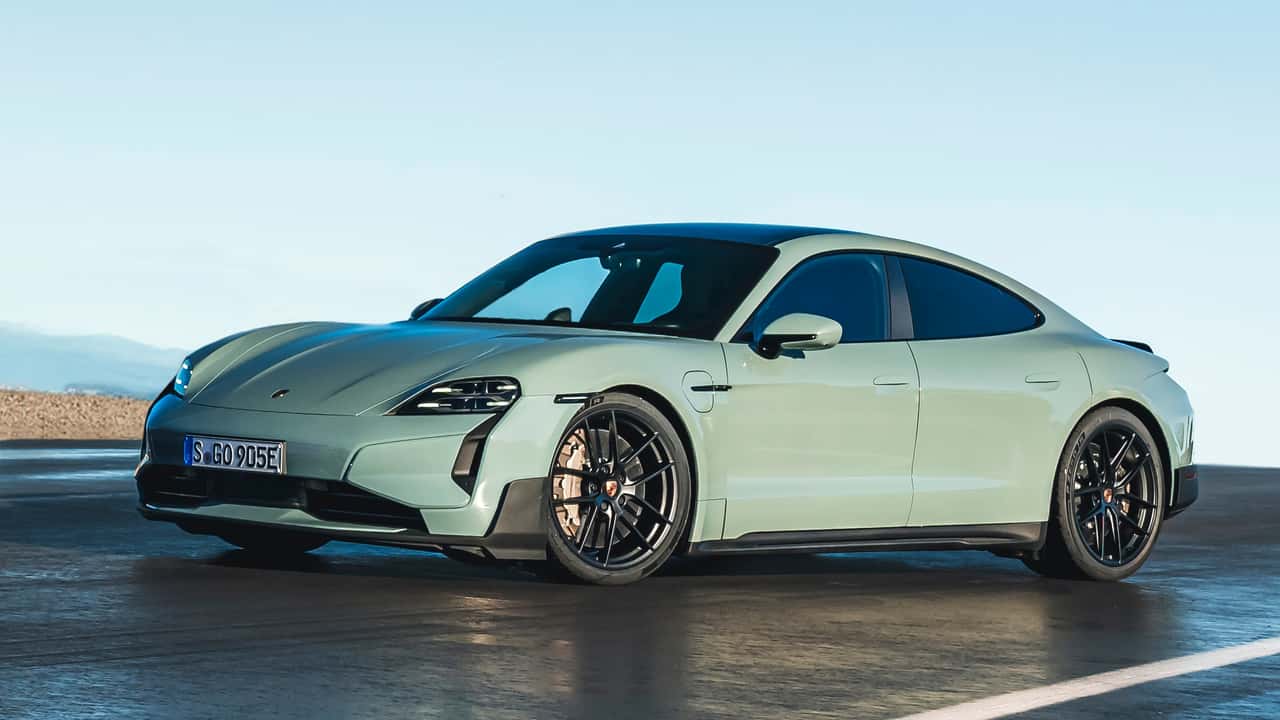
URGENT UPDATE: Porsche is facing a staggering 28 percent decline in sales in China, marking a dramatic drop to 56,887 cars sold in 2024. Latest figures reveal that shipments continued to plummet, with an additional 26 percent decrease noted through September this year. As competition heats up, Porsche’s CEO in China, Alexander Pollich, candidly stated, “the pace of innovation in China is breathtaking.”
The luxury automaker is struggling to keep pace with a surge of local competitors flooding the market with electric vehicles (EVs) across various price segments. Porsche’s ambitious plan, dubbed “Winning Back China,” acknowledges the harsh reality that returning to previous sales levels is unrealistic. The situation has been exacerbated by a recent change in luxury tax thresholds, which dropped from 1.3 million yuan ($184,000) to 900,000 yuan ($127,000) on July 20, making their vehicles even less accessible to the average consumer.
As a direct consequence, Porsche is scaling back operations significantly. The company will reduce its number of sales outlets from 150 in 2024 to just 80 brick-and-mortar dealerships by the end of next year. The remaining locations are eagerly anticipating the launch of new combustion-engine SUVs, which are seen as vital for reviving interest in the brand.
“The Taycan was successful at launch, but now there is a veritable flood of electric sedans,” Pollich remarked, highlighting the shifting landscape in the luxury EV sector.
Looking forward, Porsche is planning to replace the original Macan with a new gas-fueled model and will introduce a three-row vehicle that will initially debut with combustion engines instead of being exclusively electric. While the Cayenne Electric and the upcoming 718 EV are part of the “Winning Back China” strategy, Pollich cautioned that the company anticipates a “challenging” 2026.
In a market where even industry giants are faltering, Porsche is not alone. Rivals like BMW Group, Mercedes, and Audi have also reported declines, with figures showing the BMW Group fell 13 percent, Mercedes dropped 7 percent, and Audi decreased by 10.9 percent in the world’s largest car market.
This shift underscores the growing dominance of local automakers, whose competitive pricing strategies are reshaping consumer preferences, particularly in the EV segment. While Porsche is pivoting towards combustion engines, the brand must also navigate the complexities of a market that has rapidly evolved, leaving traditional players scrambling to adapt.
As the automotive landscape in China continues to change, all eyes will be on how Porsche implements its strategy to regain lost ground. For now, the luxury automaker is caught in a fierce battle against local competitors, and the road ahead remains uncertain.

Cosmic Mystery Deepens: Where Are the Universe’s Defects?

Lady Bulldogs Shine in Postseason Awards Following Final Four Run

CALV Hosts Essential Class for Local Real Estate Professionals

Urgent Alert: “Spaving” Surges as Shoppers Overspend Online

Jefferies Initiates Coverage on Insmed with “Buy” Rating

Three Dog Night to Perform with Ambrosia at Mayo Civic Center

Urgent Announcement: Charles M. Payment Passes Away at 78

Houston Education Foundation Donates $4,592 for Student Programs

Beeks Financial Cloud Shares Drop 7% Amid Increased Trading Volume

Foreign Inflows into Japan Stocks Surge to ¥1.34 Trillion

University of Hawaiʻi Joins $25.6M AI Project to Monitor Disasters

Sydney Sweeney Embraces Body Positivity Amid Hollywood Challenges

Hudson Williams Gains Popularity as Breakout Star on Heated Rivalry

Urgent Farewell: Joleen Chaney Leaves Legacy at KFOR

Boeing’s Merger with McDonnell Douglas: A Strategic Move Explained

$1.25M Grant Advances Hawaiʻi’s Real-Time Hazard Monitoring

Derrick Dove and ABAC Band Set for Free Americana Concert

BOYNEXTDOOR’s Jaehyun Faces Backlash Amid BTS-TWICE Controversy
-
Business9 months ago
Foreign Inflows into Japan Stocks Surge to ¥1.34 Trillion
-
Science9 months ago
University of Hawaiʻi Joins $25.6M AI Project to Monitor Disasters
-
 Entertainment9 months ago
Sydney Sweeney Embraces Body Positivity Amid Hollywood Challenges
-
 Entertainment8 months ago
Hudson Williams Gains Popularity as Breakout Star on Heated Rivalry
-
 Top Stories9 months ago
Urgent Farewell: Joleen Chaney Leaves Legacy at KFOR
-
 World9 months ago
Boeing’s Merger with McDonnell Douglas: A Strategic Move Explained
-
 Science8 months ago
$1.25M Grant Advances Hawaiʻi’s Real-Time Hazard Monitoring
-
 Entertainment8 months ago
Derrick Dove and ABAC Band Set for Free Americana Concert
-
 Top Stories9 months ago
BOYNEXTDOOR’s Jaehyun Faces Backlash Amid BTS-TWICE Controversy
-

 Health6 months ago
Bodybuilder Eugene Teo Transitions to Mindful Movement for Health
-

 World6 months ago
San Francisco Airport to Host 16 Nonstop Airlines to Europe in 2026
-

 Top Stories7 months ago
National Coast Guard Museum Set to Open in 2027 After Funding Secured