
Top Stories
Over 40 Million Use ChatGPT for Health Advice; Are Risks Growing?

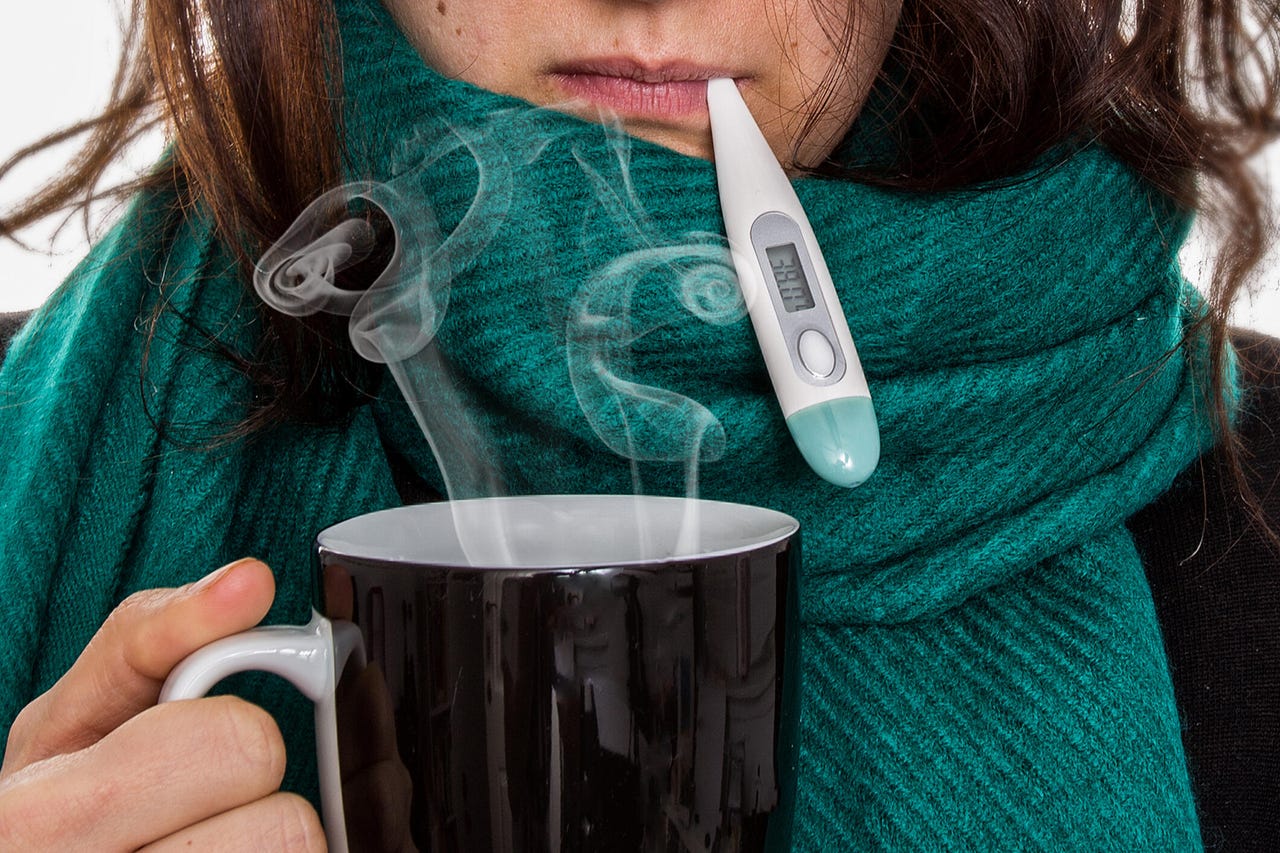
UPDATE: A staggering 40 million people globally are now turning to ChatGPT for healthcare advice, according to a new report from OpenAI shared exclusively with Axios. This alarming trend raises urgent questions about the safety and reliability of AI-generated medical information, especially as over 5% of all ChatGPT messages pertain to health-related inquiries.
The report highlights that users frequently ask about symptoms, insurance issues, and treatment options, revealing a growing reliance on AI in a time of escalating healthcare costs. With ChatGPT processing around 2.5 billion prompts daily, that equates to at least 125 million healthcare queries each day, and this number is likely increasing as the user base expands.
Many users are seeking assistance during hours when medical clinics are closed, with approximately 70% of health-related interactions occurring outside normal business hours. This 24/7 availability positions ChatGPT as a go-to resource for individuals navigating the complex healthcare landscape.
As the year progresses, the urgency of this reliance on AI is evident. Following the expiration of pandemic-era subsidies under the Affordable Care Act, over 20 million enrollees have faced an average premium increase of 114%. This financial strain is prompting many, particularly younger and less affluent individuals, to forgo traditional health insurance, potentially leading them to seek medical advice from chatbots like ChatGPT.
However, the risks are significant. While AI can provide quick answers, it is not without drawbacks. Studies indicate that leading chatbots, including OpenAI’s GPT-4o, frequently deliver inaccurate medical information, with error rates reaching 13%. Health professionals warn that millions could be receiving unsafe medical advice, highlighting the critical need for improved safety measures in AI-driven healthcare tools.
OpenAI is reportedly working to enhance the reliability of its models in responding to health queries, but experts caution that generative AI should not replace professional medical advice. For now, it serves best as a supplementary resource for general questions—akin to WebMD—but users should approach AI responses with skepticism, especially regarding serious health concerns.
As the situation unfolds, it is essential for users to remain informed and cautious. The growing trend of using AI for health advice reflects broader societal challenges and underscores the urgent need for reliable medical guidance in an increasingly complex healthcare environment.
Stay tuned for updates on this developing story as experts continue to evaluate the implications of AI in healthcare.

Cosmic Mystery Deepens: Where Are the Universe’s Defects?

Lady Bulldogs Shine in Postseason Awards Following Final Four Run

CALV Hosts Essential Class for Local Real Estate Professionals

Urgent Alert: “Spaving” Surges as Shoppers Overspend Online

Jefferies Initiates Coverage on Insmed with “Buy” Rating

Three Dog Night to Perform with Ambrosia at Mayo Civic Center

Urgent Announcement: Charles M. Payment Passes Away at 78

Houston Education Foundation Donates $4,592 for Student Programs

Beeks Financial Cloud Shares Drop 7% Amid Increased Trading Volume

Foreign Inflows into Japan Stocks Surge to ¥1.34 Trillion

University of Hawaiʻi Joins $25.6M AI Project to Monitor Disasters

Sydney Sweeney Embraces Body Positivity Amid Hollywood Challenges

Hudson Williams Gains Popularity as Breakout Star on Heated Rivalry

Urgent Farewell: Joleen Chaney Leaves Legacy at KFOR

Boeing’s Merger with McDonnell Douglas: A Strategic Move Explained

$1.25M Grant Advances Hawaiʻi’s Real-Time Hazard Monitoring

Derrick Dove and ABAC Band Set for Free Americana Concert

BOYNEXTDOOR’s Jaehyun Faces Backlash Amid BTS-TWICE Controversy
-
Business9 months ago
Foreign Inflows into Japan Stocks Surge to ¥1.34 Trillion
-
Science8 months ago
University of Hawaiʻi Joins $25.6M AI Project to Monitor Disasters
-
 Entertainment9 months ago
Sydney Sweeney Embraces Body Positivity Amid Hollywood Challenges
-
 Entertainment7 months ago
Hudson Williams Gains Popularity as Breakout Star on Heated Rivalry
-
 Top Stories8 months ago
Urgent Farewell: Joleen Chaney Leaves Legacy at KFOR
-
 World9 months ago
Boeing’s Merger with McDonnell Douglas: A Strategic Move Explained
-
 Science7 months ago
$1.25M Grant Advances Hawaiʻi’s Real-Time Hazard Monitoring
-
 Entertainment8 months ago
Derrick Dove and ABAC Band Set for Free Americana Concert
-
 Top Stories9 months ago
BOYNEXTDOOR’s Jaehyun Faces Backlash Amid BTS-TWICE Controversy
-

 Health6 months ago
Bodybuilder Eugene Teo Transitions to Mindful Movement for Health
-

 World6 months ago
San Francisco Airport to Host 16 Nonstop Airlines to Europe in 2026
-

 Top Stories7 months ago
National Coast Guard Museum Set to Open in 2027 After Funding Secured