
Top Stories
Mysterious Mold Thrives on Radiation in Chernobyl Wasteland

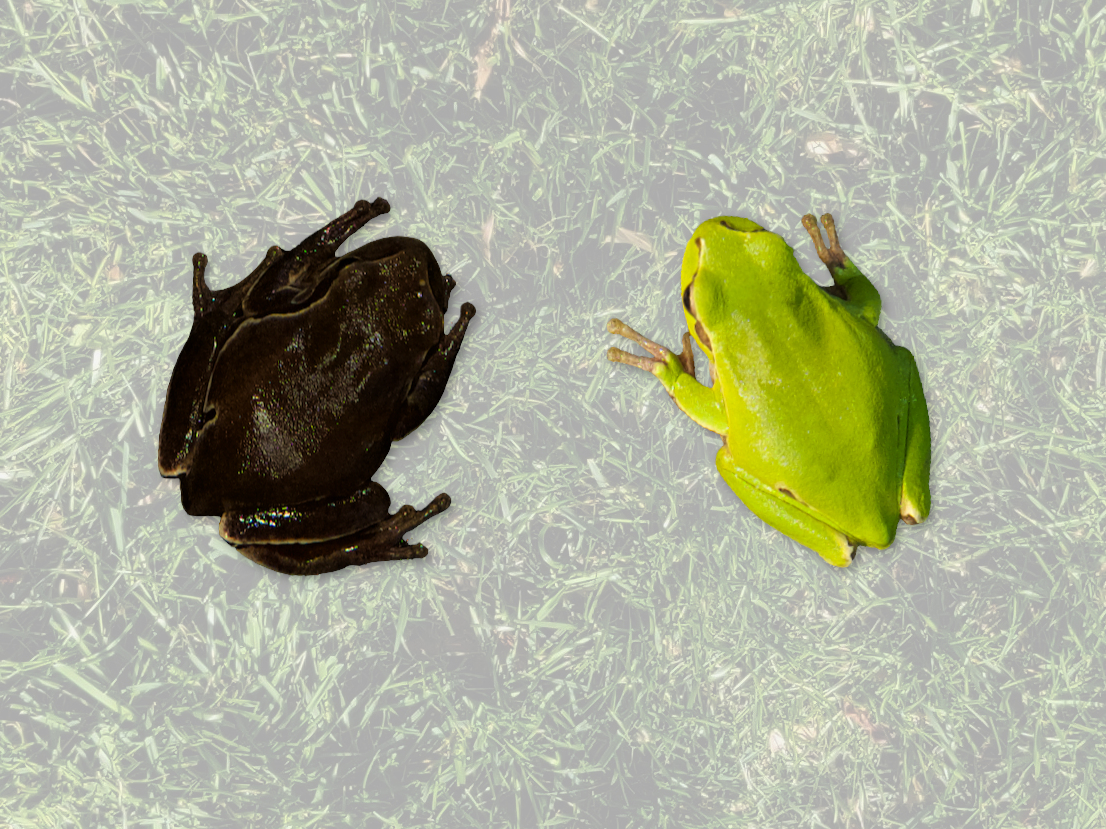
BREAKING: A new life form has been discovered thriving in the deadly Chernobyl nuclear wasteland, with the astonishing ability to survive on radiation. This mold, known as Cladosporium sphaerospermum, was found growing on the walls and ceilings of one of the most radioactive buildings in the world, demonstrating resilience in an environment considered too toxic for most life.
Since the catastrophic explosion of the Chernobyl Nuclear Power Plant nearly 40 years ago, the area has been off-limits to humans. However, researchers from the Ukrainian National Academy of Sciences, led by Nelli Zhdanova, first identified this unique mold during a field survey in the late 1990s. They discovered not just one, but 37 different species of dark-colored fungi flourishing in the exclusion zone.
This mold appears to thrive in the presence of ionizing radiation, which is known to be lethal to humans and animals. Scientists propose that the pigment melanin, which gives the mold its dark color, may allow it to harness radiation for energy through a process called radiosynthesis. This theory suggests that the mold could convert hazardous radiation into energy, similar to how plants utilize sunlight.
In a groundbreaking development, the mold was sent to the International Space Station in December 2018 for further testing. Preliminary results indicate that it grows even more robustly in space, where galactic radiation poses no threat to its survival. If validated, this discovery could pave the way for using this mold to protect astronauts from harmful cosmic rays during space missions.
The implications of this discovery extend beyond space exploration. The harsh environment of Chernobyl is also home to wild wolves that have developed surprising resilience to cancer due to years of radiation exposure. Researchers suggest that the genomes of these wolves may have adapted to be more cancer-resistant, a potential evolutionary advantage in such a hostile environment.
As scientists continue to explore the potential of Cladosporium sphaerospermum and its remarkable properties, the findings could reshape our understanding of life in extreme conditions. The possibility of using this mold to support human life in space presents an exciting frontier for research and exploration.
Stay tuned for more updates as this story develops further. The discovery of life thriving in one of the world’s most hazardous locations raises both questions and hope for the future of biotechnology and space travel.

Cosmic Mystery Deepens: Where Are the Universe’s Defects?

Lady Bulldogs Shine in Postseason Awards Following Final Four Run

CALV Hosts Essential Class for Local Real Estate Professionals

Urgent Alert: “Spaving” Surges as Shoppers Overspend Online

Jefferies Initiates Coverage on Insmed with “Buy” Rating

Three Dog Night to Perform with Ambrosia at Mayo Civic Center

Urgent Announcement: Charles M. Payment Passes Away at 78

Houston Education Foundation Donates $4,592 for Student Programs

Beeks Financial Cloud Shares Drop 7% Amid Increased Trading Volume

Foreign Inflows into Japan Stocks Surge to ¥1.34 Trillion

University of Hawaiʻi Joins $25.6M AI Project to Monitor Disasters

Sydney Sweeney Embraces Body Positivity Amid Hollywood Challenges

Hudson Williams Gains Popularity as Breakout Star on Heated Rivalry

Urgent Farewell: Joleen Chaney Leaves Legacy at KFOR

Boeing’s Merger with McDonnell Douglas: A Strategic Move Explained

$1.25M Grant Advances Hawaiʻi’s Real-Time Hazard Monitoring

Derrick Dove and ABAC Band Set for Free Americana Concert

BOYNEXTDOOR’s Jaehyun Faces Backlash Amid BTS-TWICE Controversy
-
Business9 months ago
Foreign Inflows into Japan Stocks Surge to ¥1.34 Trillion
-
Science8 months ago
University of Hawaiʻi Joins $25.6M AI Project to Monitor Disasters
-
 Entertainment9 months ago
Sydney Sweeney Embraces Body Positivity Amid Hollywood Challenges
-
 Entertainment7 months ago
Hudson Williams Gains Popularity as Breakout Star on Heated Rivalry
-
 Top Stories8 months ago
Urgent Farewell: Joleen Chaney Leaves Legacy at KFOR
-
 World9 months ago
Boeing’s Merger with McDonnell Douglas: A Strategic Move Explained
-
 Science7 months ago
$1.25M Grant Advances Hawaiʻi’s Real-Time Hazard Monitoring
-
 Entertainment8 months ago
Derrick Dove and ABAC Band Set for Free Americana Concert
-
 Top Stories9 months ago
BOYNEXTDOOR’s Jaehyun Faces Backlash Amid BTS-TWICE Controversy
-

 Health6 months ago
Bodybuilder Eugene Teo Transitions to Mindful Movement for Health
-

 World6 months ago
San Francisco Airport to Host 16 Nonstop Airlines to Europe in 2026
-

 Top Stories7 months ago
National Coast Guard Museum Set to Open in 2027 After Funding Secured